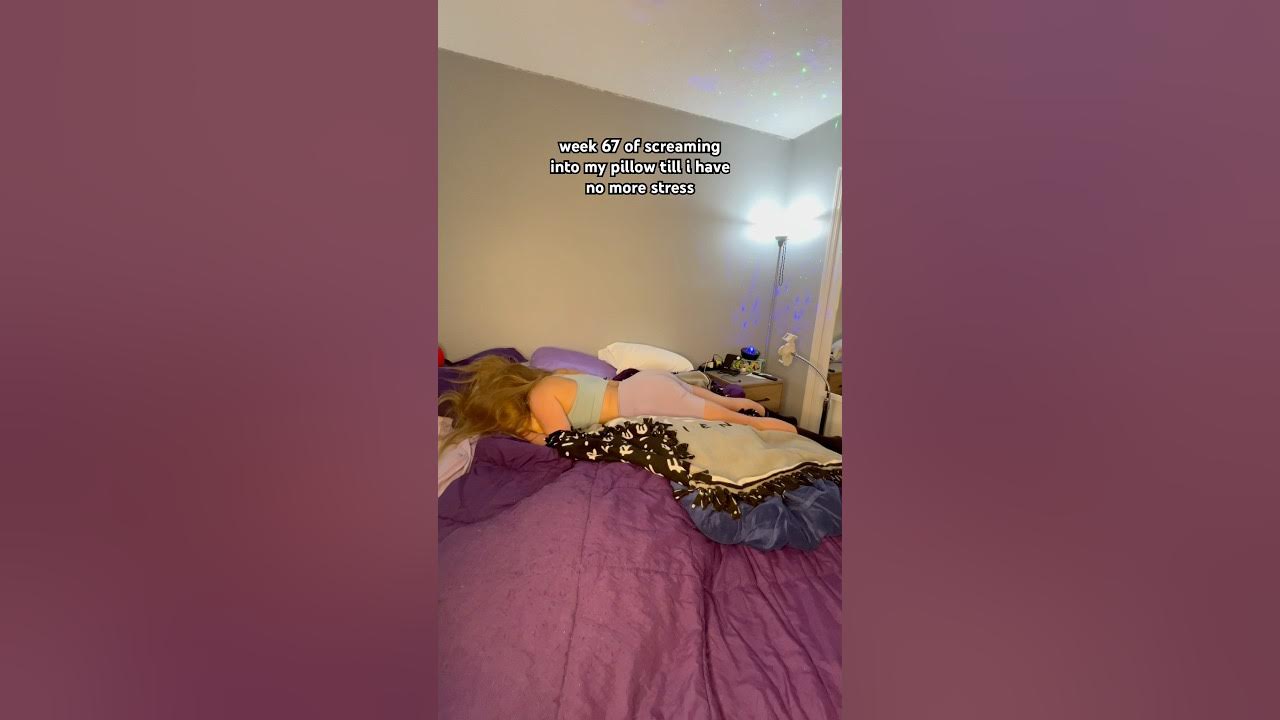
She started silent screaming into pillows—not with a fury loud enough to shatter windows, but with a muted tempest that only the fabric could absorb. This quiet rebellion, a clandestine ritual, is more than just a desperate vent; it is a visceral form of therapy. Beneath the surface of muffled cries hides a profound act of self-preservation and transformation—a poignant embodiment of anguish meeting resilience. In the cacophony of modern life’s expectations, her silent screams are a revolutionary act, a reclamation of agency in a world eager to silence dissent, vulnerability, and pain.
The Quiet Roar: Understanding Silent Screaming as Catharsis
Silent screaming into pillows is not simply a theatrical gesture of despair; it is the soundless articulation of pain refusing to be ignored. This form of expression veers away from the conventional catharsis of outward aggression, embracing instead a private labyrinth of emotional release. The pillow becomes a surrogate confidant, absorbing the tremors of rage, sorrow, and frustration that cannot safely erupt in public. This act is simultaneously an intimate confrontation with oneself and a rebellion against imposed stoicism.
In psychology, catharsis often entails a release that brings relief and clarity. However, silent screaming transforms this process into an enigmatic metaphor—screaming without sound represents a containment of chaotic emotions, a structured breakdown that paradoxically builds strength. It validates the complexity of emotional pain, where visibility is either a luxury or a danger. Silent screaming acknowledges that some screams are not meant to be heard, but to be felt internally, allowing wounds to be held with dignity.

Pillows as Emotional Reservoirs: The Tangible Vessel of Intangible Anguish
The pillow acts as an unlikely therapist, a plush receptacle for intangible anguish. Its softness promises safety while its form absorbs the reverberations of internal storms. This physical interaction—the pressing, the muffling, the gripping—grounds intangible feelings in corporeal reality. The sleepless night becomes a sanctuary where emotions, otherwise banished or repressed, find a place to exist.

This interaction is deeply symbolic. The pillow’s yielding texture suggests a paradox: yielding does not mean weakness, but rather an openness to feeling and healing. Her screams, hushed but furious, ripple into the pillow like waves meeting a resilient shore. Here, pain is neither dismissed nor amplified endlessly but cradled, creating a fertile ground for eventual growth.
Subverting the Cult of Silence: Female Anguish in a Patriarchal Echo Chamber
To scream—especially as a woman—is often met with dismissiveness or disdain in a society that prizes composure over authenticity. The ritual of silent screaming disrupts this toxic script, shaping a subversive language of pain and power. It is a refusal to adhere to the archetype of the silent sufferer, the demure figure whose distress is minimized or erased. Instead, this act insists on visibility without noise, on presence without fragility.
Women have historically been burdened with the necessity of masking their distress, maintaining facades of unshakable grace. Silent screaming challenges these patriarchal molds, reclaiming the narrative of suffering as both valid and potent. It resists the notion that pain must be neatly packaged, hiding beneath layers of civility. In its quiet defiance, this therapy insists on being recognized on its own terms—a revolution whispered yet fiercely insistent.
From Silenced Agony to Quiet Triumph: The Transformative Journey
Silent screaming is not static; it is a dynamic process of transformation. Each muffled cry submitted to the pillow is a brick removed from the suffocating walls of torment. This ritual acts like a slow alchemy, where rage breaks down into resilience, despair metamorphoses into resolve. The tension in clenched fists and bated breaths gradually dissipates, making space for clarity and empowerment.
Therapeutic silence is paradoxical—it both contains and liberates the scream. It is a retreat that fosters self-awareness and ultimately, self-mastery. Where words may fail or betray, silent screaming articulates the inarticulable. The scars it leaves are not wounds but markers of endurance, inscriptions of a personal odyssey forged in quiet rebellion.

The Unique Appeal: Why Silent Screaming Resonates Deeply
Silent screaming into pillows appeals profoundly because it validates the unseen battles. It grants permission to express without fear of judgment, a healing balm in a culture that often weaponizes vulnerability. It makes room for the paradoxical truth that strength can reside in surrender, that power need not always roar to be undeniable.
This therapy transcends traditional boundaries, blending emotional regulation with tactile engagement, creating an accessible sanctuary for anyone disillusioned by conventional therapeutic narratives. It is a deeply personal act that nevertheless touches universal chords—a testament that all anguish need not be an isolated burden but a shared human experience.
Conclusion: Embracing the Silent Scream as Radical Healing
Her silent screaming into pillows is nothing short of a radical declaration: that pain can coexist with dignity, that vulnerability can be an act of defiance. It subverts the paradigm of visible suffering, embracing instead a somatic dialogue with oneself. This therapy is a fierce ode to the complexity of emotional survival—quiet, unyielding, transformative. In the hushed hollows of night, where her muffled cries dissolve into fabric, she carves out a private revolution—a space where healing is whispered, yet thunderous in its potency.











Leave a Comment