
Have you ever considered the peculiar burden of being the default rememberer in every circle you orbit? The one who recalls birthdays no one else annotates, who keeps track of past promises, who resurrects forgotten moments with eerie precision. It’s a role that feels half-magical and wholly exhausting, a paradox that tethered minds seldom address. What if this restless archive of memories is less a gift and more a cage?
The Unseen Weight of the Collective Archivist
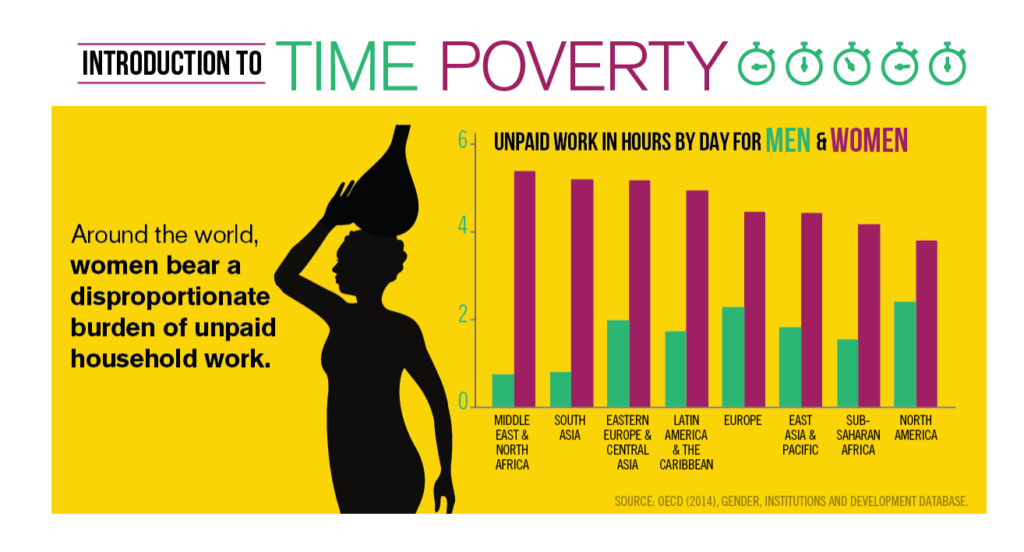
Imagine carrying the mental inventory of not just your own life, but the collective histories of your friends, family, and colleagues. The default rememberer absorbs a relentless influx of facts, dates, and sentiments that others casually discard or neglect. This task is often gendered and invisible, frequently falling on women who are socially conditioned to maintain relational harmony. Yet, unlike traditional roles, this one lacks formal recognition or reprieve.
The anxiety seeded here is a subtle but constant companion. The cognitive load grows heavy, festering into a psychological strain that nuances of care work rarely capture. There is an implicit expectation: never forget, never slip up. Mistakes are misread as personal failings, and forgetting is a social transgression. Meanwhile, the default rememberer silently navigates a landscape riddled with impossible expectations and the ever-looming fear of disappointing others.
Memory as Emotional Labor: The Invisible Toll
Memory isn’t merely data storage; it’s an emotional ledger. The default rememberer doesn’t just catalogue facts—they carry the emotional weight attached to those memories. Recalling someone’s grandmother’s birthday or a friend’s important struggle involves reactivating empathy on command. This labor is profoundly exhausting and rarely compensated.
In feminist critique, this work aligns with the concept of emotional labor—historically undervalued and often gendered feminine. Though invisible, it demands mental bandwidth and emotional resilience. The default rememberer becomes a repository not just of information but of feelings, absorbing tensions and smoothing over relational wrinkles. This often goes unnoticed, but its absence is keenly felt when the burden is suddenly lifted, and chaos ensues.

Who Enforces the Role—and Why Do We Accept It?
Delving deeper, the role of default rememberer is not a natural occurrence but a socially enforced position. It grows from entrenched cultural narratives about gender, competence, and emotional availability. Women become the default custodians of memory not by chance but through persistent societal assignment.
Yet, this acceptance is often unconscious. Communities cling to this dynamic because it smooths social interactions; there’s efficiency in relying on one person to hold the keys to collective memory. However, such convenience should not camouflage the inherent imbalance it creates. It is a mechanism of control and emotional extraction, quietly extracting vitality from those who carry the weight.
When Memory Becomes a Battlefield: The Anxiety of Failure
What happens when the default rememberer falters? A missed anniversary or a forgotten detail can feel cataclysmic, igniting disproportionate reproach. This ignition reveals the fragile dependence of social networks on an individual whose role is unofficial yet indispensable. The anxiety isn’t just about forgetting; it’s about the fear of destabilizing relationships, of fracturing the delicate web of connection woven through remembered moments.
This tension perpetuates a vicious cycle—fear fuels hyper-vigilance, which breeds exhaustion, leading to increased chances of lapses. Yet the societal pressure to perform this invisible duty remains unyielding, ensuring the default rememberer continues to internalize an impossible standard.

Reclaiming Agency: Toward Distributed Memory and Shared Responsibility
Is there reprieve? Absolutely, but it requires a paradigm shift. Rather than venerating the default rememberer with unspoken expectations, communities must cultivate distributed memory practices. These include explicit sharing of memory-keeping duties, establishing collective rituals, and embracing technology as an aid rather than a crutch. Perhaps more importantly, it means honoring the limits of human memory and dismantling the gendered dynamics that unduly assign this labor.
Self-compassion and boundary-setting become revolutionary acts. The default rememberer must reclaim agency by vocalizing limits, redistributing memory work, and refusing the silent mantle of emotional archivist. Liberation comes through the radical reimagining of memory as a communal asset rather than an individual burden.
A Playful Challenge: What If We All Became Default Rememberers?
Here’s a provocation to rattle conventions: What if the anxiety of being the default rememberer dissolved because everyone shared the role? If every member of a group actively cultivated their memory and emotional labor equally, how would relationships transform? Would the shared responsibility deepen bonds or dilute accountability?
This question teases at a radical democratization of memory. Could societies reconfigure social scripts to dismantle hierarchies rooted in invisible labor? The answer might require each of us to step up, to remember not just the facts but the value of shared caretaking. In doing so, we subvert the anxiety and reclaim the joy embedded in collective memory.







Leave a Comment