Imagine carrying an invisible suitcase—one that never leaves your side, stuffed not with clothes or souvenirs, but with the untold weight of managing everyone else’s emotional climate. For countless women, this suitcase grows heavier by the day, burdened with unseen errands of the heart, a relentless tide of emotional labor that seeps into every corner of life. This is not just burden; it is a slow erosion of spirit, a covert burnout that psychology is only beginning to name and therapy rooms are increasingly tasked to soothe. The emotional labor burnout is an insidious affliction—its symptoms half-whispered and overlooked, yet its impact seismic, sending waves through women’s mental health on a distressing scale.
The Invisible Workload: Emotional Labor as an Unseen Currency
Emotional labor is a surreptitious economy in which women disproportionately become the bankers—and the debtors. It refers to the constant negotiation of feelings, the caretaking of moods, and the relentless monitoring of social harmony. Unlike tangible tasks that grid out clearly on a to-do list, emotional labor is nebulous, invisible, and unpacked only in the aftermath of exhaustion. Women, more often than not, find themselves the custodians of this silent currency—calming frayed nerves after a long day, anticipating emotional needs before they arise, or suppressing their own strains to support others.

This covert caregiving becomes a labyrinthine mental checklist—keeping track of birthdays, managing family tensions, decoding nonverbal cues of distress, and holding space for others’ vulnerabilities. The toll is profound. It chips away at women’s emotional bandwidth, replacing vibrant energy with an overwhelming sense of “not enough” and chronic fatigue that defies rest. The invisibility of this labor renders it unacknowledged and uncompensated, intensifying the burnout.
The Emotional Tax: Why Women Are More Likely to Pay It
Socialized gender roles have long cast women as emotional sentinels—a cultural dictum compelling them to weave cohesion within families, workplaces, and communities. It’s a role as restrictive as it is exhausting. This emotional tax manifests as a disproportionate expectation placed upon women to absorb interpersonal friction and soothe conflicts, often at the expense of their own needs. The assumption is deceptively simple: women are “naturally” more empathetic, better multitaskers, and more patient caregivers. Yet this so-called “naturalness” is a social construct, a cage gilded with the language of virtue but lined with burnout.

Underneath these gendered expectations is a systemic infrastructure of emotional labor that permeates professional and private spheres alike. Women become coordinators of emotional well-being, not just partners or employees, but emotional managers whose unpaid efforts lubricate the wheels of daily life. This role is the double-edged sword of contemporary womanhood, contributing to a silent epidemic where exhaustion is normalized and cries for respite are muffled by societal expectations.
Burnout Beyond Fatigue: The Psychological Asphyxiation
Burnout is often relegated to the physical realm of tiredness, but emotional labor burnout is a psychological asphyxiation. It strangles hope, creativity, and resilience, leaving behind a hollow shell where enthusiasm once lived. This is not a transient fatigue; it is a pervasive depletion of emotional resources that transforms intimate relationships into bouts of resentment and workplaces into arenas of covert survival.
The early signs are deceptively gentle: a creeping irritability, a growing detachment, the slow erosion of joy in what used to be fulfilling roles. Yet these symptoms, if ignored, metastasize into anxiety, depression, and profound existential weariness. The psychic weight carried daily distorts reality, breeding a distorted mirror in which women see themselves as perpetually inadequate—no matter how much they give or endure.
Therapy: A Sanctuary and a Battlefield
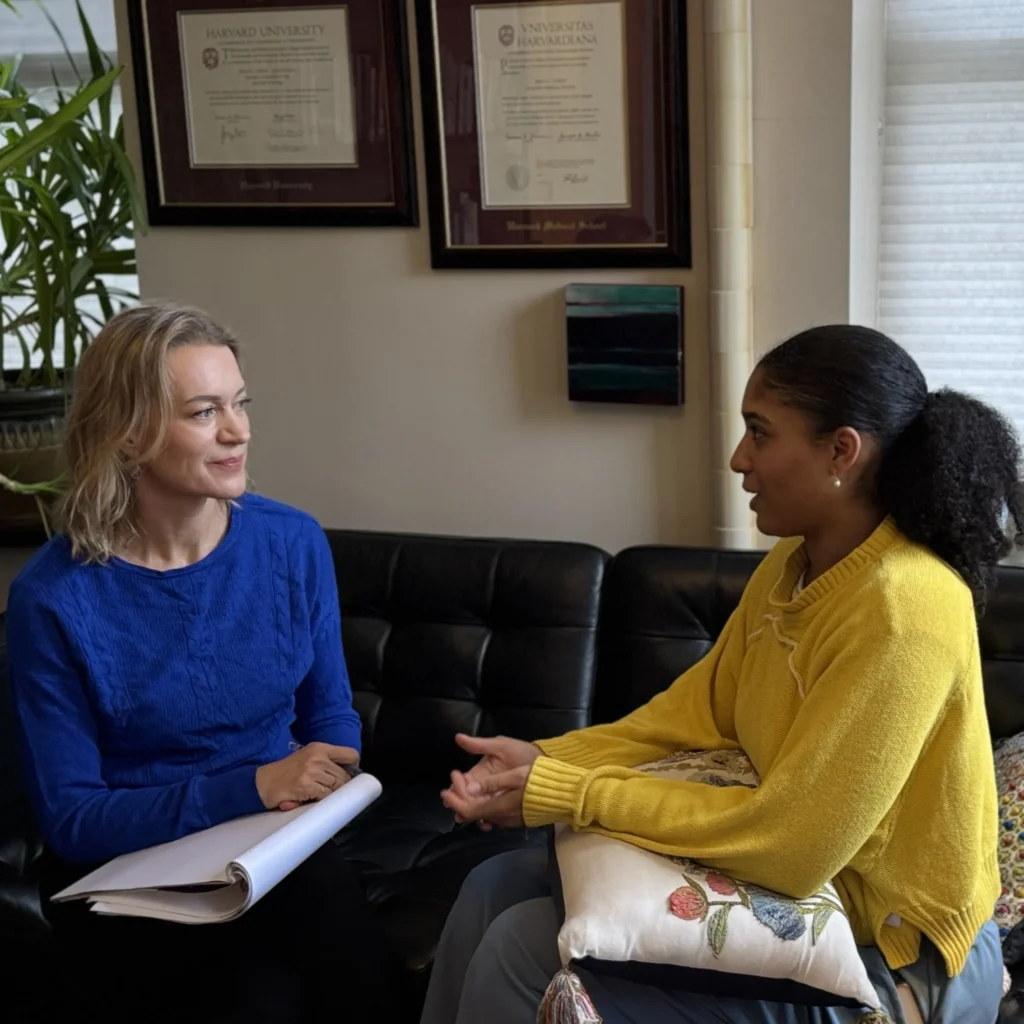
The escalating wave of emotional labor burnout has sent countless women into therapy as their only refuge. Therapy rooms have become sanctuaries where this invisible burden can be named and unpacked—where the hollow feels full for the first time, even if temporarily. Yet therapy itself is a contested space. For many, seeking psychological help runs against the grain of socialization that demands women to be indefatigable caregivers. Admitting to burnout is an act of rebellion—a courageous reshaping of narratives that have long silenced their distress.

Within the therapeutic process, women confront systemic invalidation and personal guilt, navigating the delicate balance between self-preservation and societal roles. Here, recognition blossoms into healing, forging new paths of boundary-setting, self-compassion, and, crucially, demand for equitable emotional engagement from partners, families, and communities.
Reclaiming Emotional Sovereignty: The Path Forward
The antidote to the emotional labor burnout is not solely personal but revolutionary. It calls for dismantling the entrenched gender scripts that consign women to the role of perpetual emotional caretakers. Reclaiming emotional sovereignty means redistributing the emotional workload, fostering accountability across all genders, and translating empathy into tangible action and support.
This reclamation requires cultural upheaval paired with intimate renegotiations of relationships. It demands workplaces recognize emotional labor as real labor, equitable domestic roles where emotional caretaking is shared, and a societal validation of emotional health as a collective responsibility. Without such systemic change, the emotional burnout epidemic will continue unchecked, draining women’s vitality and, by extension, the very fabric of our communities.
Conclusion: Beyond Survival Toward Thriving
Women are not reservoirs to be endlessly drained; they are founts of emotional richness longing to flow freely and reciprocally. The emotional labor burnout signals a broken system—a system that commodifies empathy and exacts a cruel toll in silence. Therapy offers crucial relief, but true healing demands transformation. Until society acknowledges and rectifies this hidden burden, women will continue to carry invisible suitcases weighted with compromise, sacrifice, and exhaustion. The time has come to unpack those suitcases, redistribute the load, and build a world where emotional labor is visible, valued, and shared—where women do not burn out but blaze, indomitable and renewed.








Leave a Comment