
Imagine the economy as a vast, intricate loom — each thread representing the lives and choices of individuals who weave the fabric of our society. When reproductive rights are hemmed in or unraveled, it isn’t simply a personal setback; it is a tug that distorts the entire tapestry, impacting income, health, and justice far beyond the confined boundaries of the womb. Reproductive rights are not just about the body, they are the fulcrum upon which economic liberty pivots. To disentangle this connection is to recognize that controlling one’s reproductive destiny is a radical act of economic empowerment.
The Body as the Original Economic Asset
At its core, reproductive autonomy is the cornerstone of economic agency. The human body, unlike a mere commodity, is the primal bedrock of all economic endeavor. To deny control over reproduction is to inhibit the foundational asset required to engage fully in economic life. When a person cannot decide if or when to bear children, they are shackled to a financial trajectory shaped by unpredictability and vulnerability. This unpredictability ensnares them in a web of emergent costs—medical bills, childcare, lost wages—that accumulate like silent taxes against their prospects.
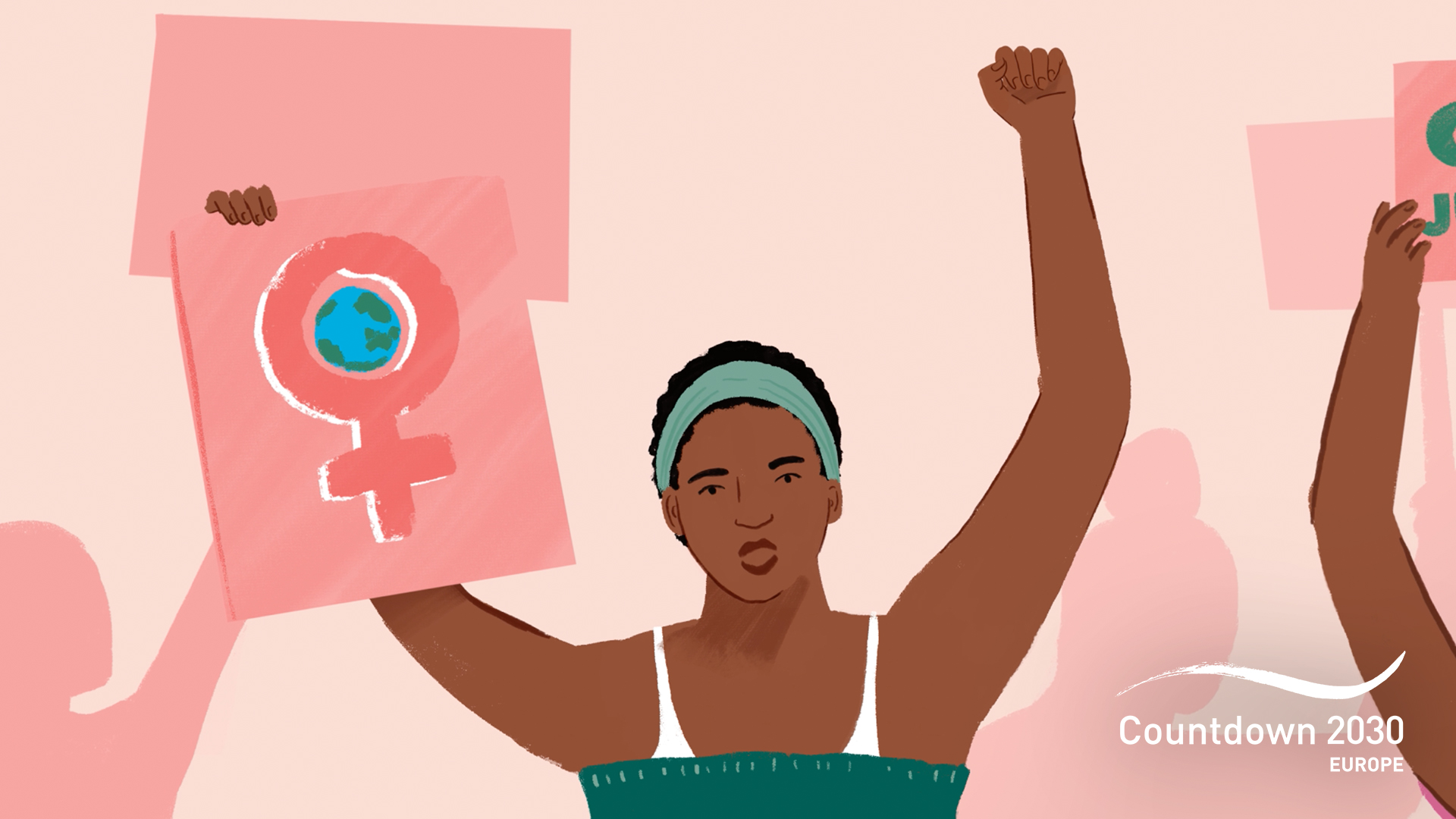
Moreover, unrestricted reproductive rights enable investments in education and career development. The power to space pregnancies—or to avoid them entirely—translates into sustained participation in the labor force and greater lifetime earnings. This is not mere theory, but empirical truth embedded in the statistics of every country where access to reproductive healthcare flourishes.
Reproductive Rights as a Keystone in the Architecture of Economic Justice
Like the keystone in an arch, reproductive rights support the entire structure of economic justice. Without it, the arch begins to crumble under systemic inequities—income disparity, gender discrimination, and racial injustice. Restrictions on reproductive freedoms are disproportionately wielded as weapons against marginalized communities, creating cascading cycles of poverty and disenfranchisement. They disrespect the autonomy of those historically sidelined by the economy’s most brutal gears.
This systemic undermining reveals itself starkly in wage gaps, career stagnation, and the perpetuation of poverty, especially among women of color and low-income populations. Reproductive control is a powerful equalizer; it is where economic justice negotiates its most urgent terms. Without it, the social contract fractures, leaving millions without the means to rise beyond subsistence or escape exploitative labor conditions.
The Economic Ripple Effect: From Individual to Society
When an individual exercises reproductive autonomy, the effect ripples outward, like stone cast into a still pond. Choices about family planning influence not just personal economic outcomes but shape the vitality of entire communities and nations. The macroeconomic landscape is sensitive to the demographic trends that reproductive policies create.
Accessible reproductive healthcare reduces unplanned pregnancies, which in turn alleviates pressure on social service systems, public education, and health infrastructure. Countries that respect and uphold reproductive rights often see higher levels of female workforce participation, increased household stability, and stronger economic growth. Conversely, limiting these rights imposes hidden costs—higher social welfare spending, stagnation of productivity, and a diminished tax base. It’s the difference between fostering a garden or sowing barren fields.
Reproductive Rights as a Human Capital Investment
Human capital is the invisible treasure that fuels economies, and reproductive rights are a crucial investment tool for its expansion. When people have the freedom to plan their families, they can allocate resources—time, money, education—more effectively toward personal and professional development. This careful stewardship multiplies returns not only for individuals but for society at large.

Each child born into a financially stable household benefits from enhanced educational opportunities, better health care, and a more secure environment. This, in turn, cultivates a future workforce primed to innovate, lead, and sustain economic dynamism. Denying reproductive rights disrupts this virtuous cycle, trapping generations in trajectories constrained by scarcity and deprivation.
The Political Economy of Control: The Weaponization of Reproductive Rights
The battle over reproductive rights is essentially a battle for economic power disguised as moral debate. It is political economy in its rawest form—a fight for who reaps the rewards and who bears the costs. Many anti-choice legislations function as economic straitjackets, forcing people into dependency or precarity under the guise of protecting life.
Such policies do not exist in a vacuum but are deliberately calibrated to perpetuate structural inequalities. They redirect economic capital into punitive bureaucracies instead of empowerment programs and reproductive health services. The resultant economic strain disproportionately burdens those least equipped to bear it, reinforcing a hierarchy where economic rights are reserved for the privileged few.
Reproductive Rights as a Foundation for True Economic Freedom
Ultimately, economic freedom cannot exist without reproductive freedom. The illusion that they operate on separate planes is a deliberate distraction. Reproductive rights shape the parameters within which economic choices are made, and without them, all talk of agency is hollow rhetoric. True economic liberty requires the liberty to decide if, when, and under what conditions to create life.
Enshrining reproductive rights is fundamental to creating inclusive economies where all can thrive—not just survive. It is the gravitational center around which just wages, equitable opportunities, and dignified work orbit. The struggle for reproductive justice is the skeleton key to unlocking the full potential of human economies worldwide.
To frame reproductive rights as anything less than economic rights is to wilfully blind oneself to the raw, intricate reality of human existence. The fight for bodily autonomy is simultaneously a fight for economic sovereignty, the right to craft one’s own narrative free from imposed limitations. This is not just a feminist demand; it is a clarion call for economic justice that resonates across every margin and market.










Leave a Comment