Five years ago, a seismic tremor rippled through global consciousness—the Me Too movement erupted, igniting embers of reckoning and disrupting the quiet complicity that had long shrouded sexual harassment and assault. It promised not just accountability but a profound paradigm shift in how society confronts power, consent, and dignity. Half a decade later, a piercing question demands attention: what has truly transformed, and where have shadows of inertia persisted? The journey from whispered confessions to viral solidarity was only the prologue. Now, we peer into the aftermath with unflinching scrutiny, dissecting the promises broken and fulfilled, the battles won and those still fierce in the fray.
The Initial Surge: Cracks in the Monolith of Silence
When the Me Too movement surged forward, it tore through veils of silence, shattering stigmas that imprisoned victims in isolation. Women, men, and non-binary individuals spilled their stories, each narrative a sharp dagger aimed at systemic cover-ups and hierarchical oppression. The movement’s viral genesis revealed an insidious culture that had been festering unchecked—a global epidemic of abuse buoyed by impunity. That initial flare-up did not merely illuminate; it demanded a reckoning.
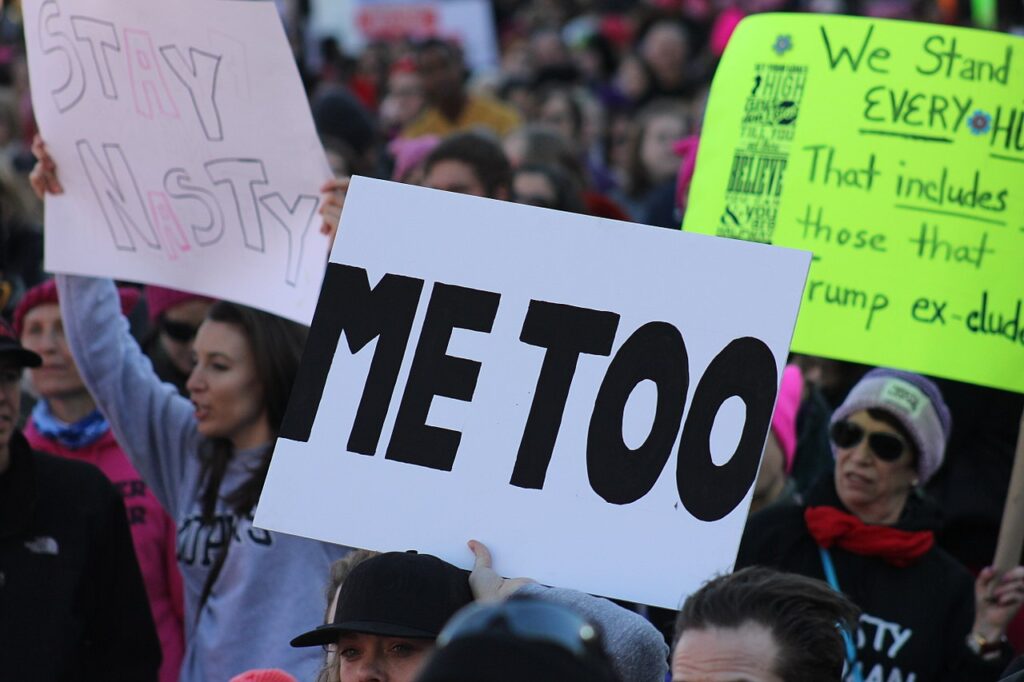
The immediate outcome was a new lexicon of resistance. Perpetrators toppled in entertainment, media, politics, and beyond. Legislation tentatively followed. Promises of safer workplaces, transformative justice, and cultural literacy echoed in corridors of power. Yet, such early victories, though critical, were merely the dawn of a protracted struggle.
What Changed: Cultural Awareness and Institutional Response
In undeniable ways, Me Too shattered the veneer of acceptable conduct, embedding a heightened cultural awareness worldwide. Conversations about consent and power dynamics have permeated everyday discourse, from boardrooms to classrooms. Organizations began instituting mandatory training, zero-tolerance policies, and anonymous reporting mechanisms. Victims found solidarity in previously unthinkable numbers, emboldened by collective bravery.
Some industries revamped hiring and advancement practices, paying attention to harassment’s intersection with race, class, and gender identity. The seismic impact was both symbolic and pragmatic, spotlighting the necessity for systemic recalibration. The ubiquity of the movement’s rhetoric redefined accountability, embedding it as an organizational imperative rather than a sporadic act of moral conscience.
The Stubborn Persistence of Power Structures
Yet, not all promised revolutions rose from the ashes. The entrenched architecture of power—the oligarchies, elite gatekeepers, and unyielding hierarchies—remains resilient. Many corporations and institutions engage in performative allyship: token statements and symbolic gestures that mask superficial commitment. Survivors still encounter labyrinthine legal systems, victim-blaming, and professional retaliation.
True transformation demands dismantling the systemic frameworks that enable predators—not merely exiling individuals. Yet patriarchal norms linger in boardrooms, legislatures, and media empires. Wealth and prestige often insulate offenders, enabling cyclical abuses that evade meaningful justice.
Legal and Policy Evolution: Progress at a Fractured Pace
On paper, many jurisdictions have enhanced sexual harassment laws, expanded definitions of consent, and extended statutes of limitations. These reforms mark essential progress but rarely translate into sweeping justice for survivors.
Many legal systems remain ensnared in archaic evidentiary standards and procedural obstacles that dissuade reporting and participation. The conflation of legality with morality remains problematic—laws can punish acts post-facto but struggle to preempt or eradicate toxic cultures.
Moreover, marginalized communities—particularly women of color, LGBTQ+ individuals, and low-income workers—continue to face disproportionate barriers to legal recourse. Intersectionality remains a fractured promise rather than an operational reality in most legislations.
The Role of Digital Spaces: Amplification and Ambiguity
The Internet was the battleground and catalyst for Me Too, transforming silence into broadcast and isolation into networked power. Social media platforms provided survivors a megaphone, crowdsourced accountability, and unprecedented visibility for abuse narratives.

However, digital arenas are double-edged: harassment persists online, often exacerbated by anonymity and toxicity. The viral nature of accusations sometimes fuels snap judgments, amplifying controversies and engendering backlash. Algorithms prioritize outrage, complicating nuanced dialogue around consent, trauma, and redemption.
Shifting Perspectives: From Individual Shame to Collective Accountability
Perhaps the most profound shift induced by Me Too is epistemological—a transformation in how society understands sexual violence. No longer a personal failing or isolated incident, it is increasingly framed as a systemic disease intertwined with power, entitlement, and cultural permissiveness.
This reconceptualization pivots focus from mere individual culpability to a collective imperative for change. Accountability transcends criminality; it encompasses cultural norms, institutional complicity, and everyday behaviors. The movement challenges patriarchal narratives that weaponize shame against victims while protecting perpetrators.
Where Curiosity Should Lead Us Next
Five years later, the work remains unfinished and fraught with contradictions. The Me Too movement’s legacy is a call to interrogate complacency and confront uncomfortable truths that persist beneath surface reforms. How can societies craft truly survivor-centric structures that do not merely punish but prevent? What mechanisms might dismantle privileged impunity and foster restorative justice?
Critical questions loom about inclusivity: whose voices have been centered, and whose remain marginalized? How do we ensure the movement transcends geographical, cultural, and economic boundaries without imposing uniform narratives? And ultimately, how does the next chapter of Me Too harness its momentum to erode the deep-seated misogyny woven into the fabric of daily life?
The five-year anniversary is both a badge of progress and a spotlight on stunted ambition. It beckons us to unblinkingly examine the hypocrisies that linger and to forge new paradigms of justice unbound by old hierarchies. The promise of Me Too was never just exposure—it was revolution. Yet revolutions demand persistence beyond the roar, into the quieter, grit-filled rebuilding of a better tomorrow.







Leave a Comment