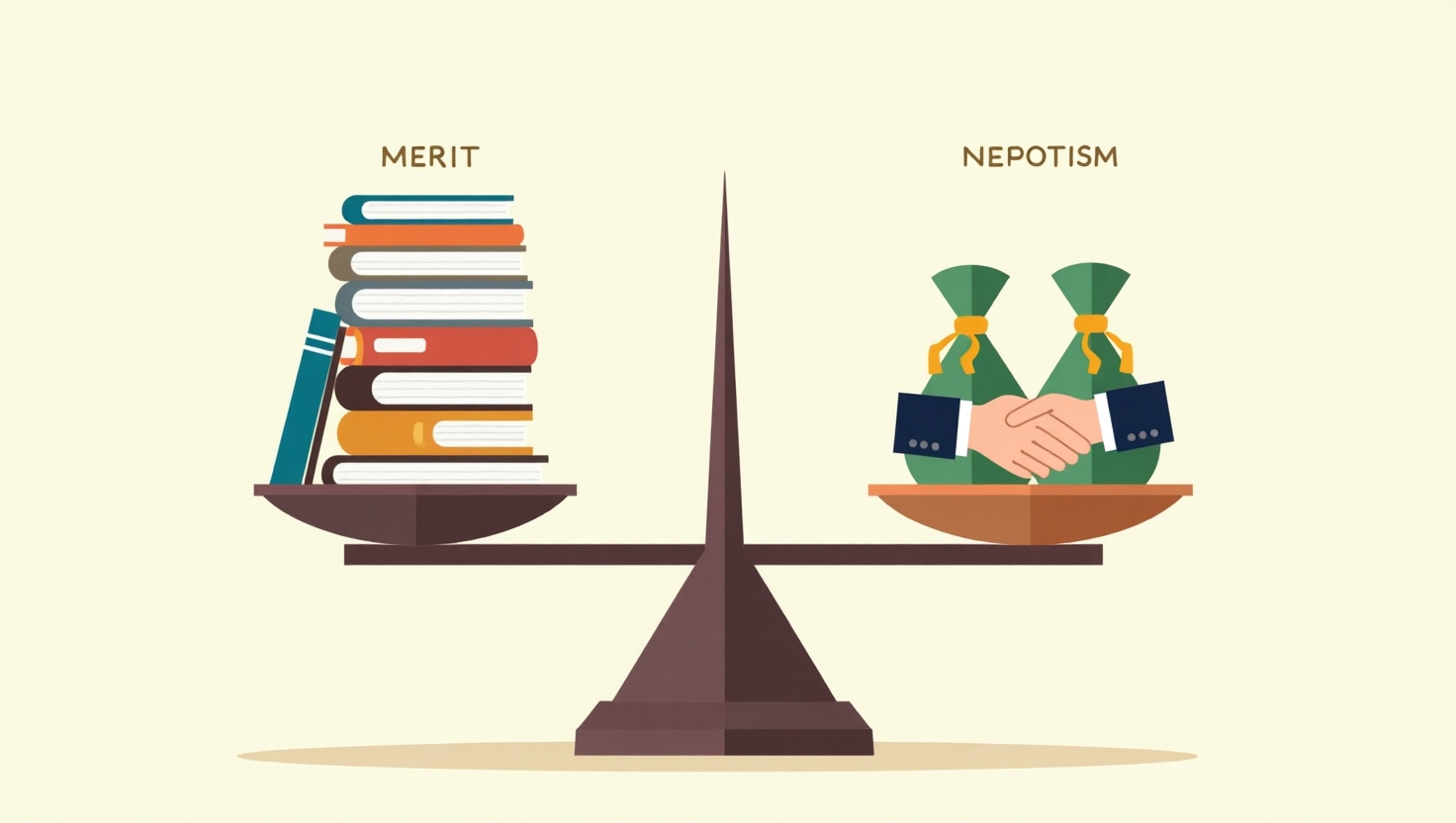
In the hallowed halls of academia, meritocracy claims to stand as the ultimate arbiter—a supposedly impartial measurement of talent, hard work, and intellectual prowess. Yet, beneath this veneer of fairness and unassailable logic lies a tenacious bias that perpetuates male dominance by defining “merit” through a prism tinted by masculine norms. This constructed ideal favors patterns of behavior, evaluation, and recognition that align disproportionately with historically male trajectories and values, perpetuating a patriarchal support system masquerading as objective meritocracy.
The Myth of Individual Merit in Academia
The narrative championed by institutions celebrates individual achievement as if it exists independently from social scaffolding. In reality, academic success is deeply embedded in networks of privilege, mentorship, and cultural expectations disproportionately accessible to men. The myth of pure individual merit discounts the communal and systemic scaffolding that facilitates success, often overshadowing the contributions and hurdles faced by women and marginalized groups. What remains invisible is the patriarchal support system crystallized within academic structures—granting certain individuals not just the opportunity, but an almost predestined pathway to advancement.

Masculine Norms Shaping Academic Engagement
The very framework of “merit” in academia mirrors masculine norms—assertiveness, competition, and dominance—traits historically valorized within male socialization. These norms sculpt the contours of academic engagement, subtly privileging men whose behavior aligns with these expectations. More cooperative, relational, or emotional approaches often associated with women are frequently undervalued or dismissed as less rigorous or impactful. This perpetuates an ecosystem where conformity to masculine ideals becomes an unspoken prerequisite for recognition and success.

Evidence suggests that men are more likely to mold themselves to these expectations, gaining praise for assertiveness and visibility, while women who exhibit similar traits are often penalized, labeled as aggressive or unfeminine. This double-bind deepens the chasm in academic meritocracy, barring equitable access to opportunities under the guise of objective standards.
The Differential Valuation of Scholarly Attributes
Academic merit isn’t a monolith—various attributes such as publication productivity, networking skills, teaching excellence, and grant acquisition come into play. However, these are often weighted in ways that disproportionately favor patterns more prevalent among men. For instance, traits tied to raw output and aggressive self-promotion frequently trump collaborative or mentorship roles, the latter often being the domain where women excel but receive less formal recognition.

This skewed valuation serves not only to affirm male-dominant academic hierarchies but also reinforces a narrow, prevailing notion of what counts as “quality” scholarship, marginalizing interdisciplinary, community-engaged, or pedagogically innovative work—domains often occupied by women and minority scholars.
Networking and Sponsorship: Hidden Currents of Male Advantage
The pursuit of merit in academia is less about solitary genius and more about sustained sponsorship and strategic networking. Informal networks—often dominated by men—function as clandestine pipelines funneling resources, recommendations, and career-defining opportunities to those within. This insidious nepotism perpetuates a cycle where male academics mentor and elevate predominantly male protégés, maintaining entrenched structures of power under the illusion of merit-based progression.
Women, on the other hand, encounter “glass walls” within these networks—barriers less obvious but equally effective in limiting influence and access. The disproportionate burden of service roles and emotional labor further drains their capacity to engage in these critical but invisible activities, stymieing their academic trajectories.
The Consequences of a Masculine-Centric Meritocracy
The consequences of an academic merit definition skewed towards male patterns ripple across institutions. Beyond the immediate underrepresentation of women in senior roles and prestigious awards lies a more insidious erosion of scholarly diversity and innovation. Homogenized epistemologies emerge, stifling critical perspectives necessary for robust intellectual progress.
Moreover, this male-centric meritocracy inflicts psychological harm. The persistent message that traditionally feminine modes of knowledge production and engagement are less valuable cultivates imposter syndrome, attrition, and a pervasive sense of invisibility among female scholars. It also dilutes the potential for academic environments to become truly inclusive, equitable spaces.
Reimagining Merit: Towards an Inclusive Academic Ethos
To dismantle this deeply ingrained bias, academia must radically rethink what constitutes merit. This entails elevating diverse forms of intellectual contribution, rebalancing metrics to value mentorship, collaboration, accessibility, and social impact alongside traditional output. Transparency and accountability in hiring, promotion, and funding processes are critical, as is active disruption of exclusive networks.
Furthermore, fostering cultural shifts that embrace a multiplicity of scholarly identities beyond rigid masculine norms can catalyze a more vibrant, just academic ecosystem. Recognizing merit as a constellation of practices rather than a monolithic ideal challenges the patriarchal legacy invested in current definitions and paves the way for transformative change.
Only through such conscious, courageous recalibration can the academy shed its self-serving illusions and truly embody the ideals of equity and excellence it professes to uphold.








Leave a Comment