
In the hushed classrooms and glossy pages of our textbooks lies a narrative so pervasive, yet so invisibly entrenched, that few dare to question it: history, as it is taught, is a chronicle penned overwhelmingly by men, about men, and for men. The Textbook Problem is not merely an academic inconvenience; it is a societal malaise that distorts collective memory, marginalizes countless voices, and perpetuates an insidious imbalance of power. But what if this paradigm could be shattered? What if history were not a monologue but a polyphony of experiences? The promise of a seismic shift beckons: a history reimagined through diverse lenses, breathing life into forgotten narratives and challenging the very foundations of what we believe we know.
A Monochrome Chronicle: The Male-Centric Construction of History
From the earliest years of education, textbooks cultivate a worldview steeped in patriarchal bias. The architects of these canonical texts overwhelmingly reflect a singular demographic—predominantly white, cisgender men whose perspectives shape the content. This results in a monochrome chronicle where the deeds of kings, emperors, and generals dominate, while queens, revolutionaries, and grassroots heroes fade into obscurity. The relentless fixation on “great men” creates a distorted historical panorama that undermines the complexity and plurality of human experience.
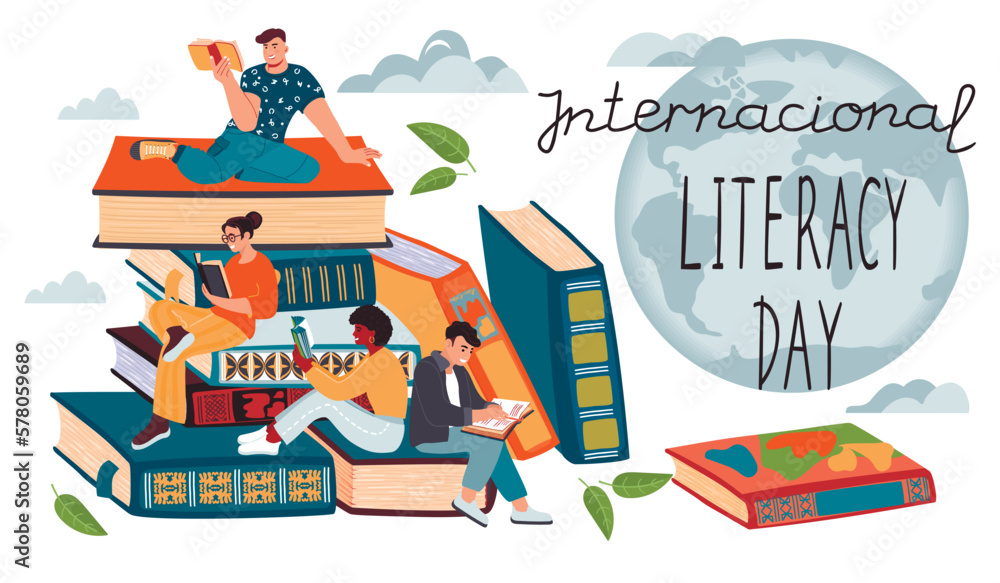

What lingers in the shadows of this narrative are stories that illuminate the struggles and triumphs of women, non-binary individuals, indigenous peoples, and other marginalized groups. It is a narrative that refuses to acknowledge the intersectionality of gender, race, and class—a refusal that resonates with alarmingly persistent consequences in the collective consciousness.
Erasure by Omission: The Silencing of Women and Marginalized Voices
History, dictated by a patriarchal gaze, engages in systematic erasure not through overt censorship, but through omission and marginalization. The absence of women’s contributions in scientific discoveries, political movements, and cultural evolution does not reflect a lack of participation, but an intentional or unintentional neglect born from entrenched bias. Textbooks often sideline these voices, relegating women to footnotes or domestic spheres, thereby maintaining traditional gender hierarchies.
This erasure extends beyond gender to encompass the histories of non-Western peoples, queer identities, and other subaltern groups. Such selective memory sanctions a singular worldview that stunts critical thinking and reinforces societal inequities under the guise of neutrality.
Textbooks as Instruments of Power: Shaping Ideology and Identity
To consider textbooks as mere educational tools is a grievous underestimation. They are potent instruments wielded to shape ideology and identity, often subtly reinforcing hegemonic narratives. By privileging certain histories over others, textbooks inculcate a sense of belonging that defaults to dominant cultural narratives while alienating disenfranchised populations.
Moreover, the male-centric content nourishes the myth of male superiority and omnipresence in historical progress, perpetuating gender norms that infiltrate contemporary social roles. It conditions readers to perceive history through a narrow prism, reinforcing systemic inequalities that extend beyond the classroom walls.
Cracks in the Façade: Emerging Movements and Critical Pedagogies
Yet, the rigidity of this historical canon is not unassailable. A burgeoning wave of feminist scholars, educators, and activists challenges the Textbook Problem with renewed vigor. They advocate for critical pedagogies that interrogate the content and context of textbooks, demanding curricula that embrace multiplicity and complexity.

This movement disrupts traditional narratives by foregrounding marginalized perspectives, integrating oral histories, and reclaiming suppressed stories. It envisions classrooms where students engage not as passive recipients of a monolithic history, but as active participants in analyzing whose stories are told, and why. This pedagogical pivot promises a radical transformation in how society understands its past and charts its future.
A Call to Arms: Reclaiming History for All
The urgency to dismantle the Textbook Problem is not an academic quibble; it is a political imperative. Reclaiming history demands courage to confront deeply embedded biases and recalibrate educational frameworks. It requires acknowledging that history is not an immutable record but a contested terrain rife with power struggles over memory and identity.
For a truly equitable future, textbooks must transcend the myopia of masculine exclusivity and embrace a kaleidoscope of voices. This means investing in diverse authorship, fostering inclusive scholarship, and cultivating curricula that resist simplification in favor of nuance. Only then can history fulfill its transformative potential—not as a relic of domination, but as a wellspring of empowerment for all.
The Unfinished Narrative: Towards a More Inclusive Tomorrow
The excavation of marginalized histories and the democratization of knowledge are ongoing struggles—battles against inertia and indifference. However, hope sparks in classrooms where students are encouraged to question, critique, and add their voices to the story. The shift from a patriarchal monograph to a communal anthology signals not only educational reform but a profound societal evolution.
The Textbook Problem, with all its entrenched contradictions, is poised on the brink of transformation. Its resolution lies in embracing multiplicity, challenging conventions, and, above all, refusing to accept history as a tale written by men about men. The untold stories await discovery, ready to reshape our understanding and inspire generations to come.






Leave a Comment