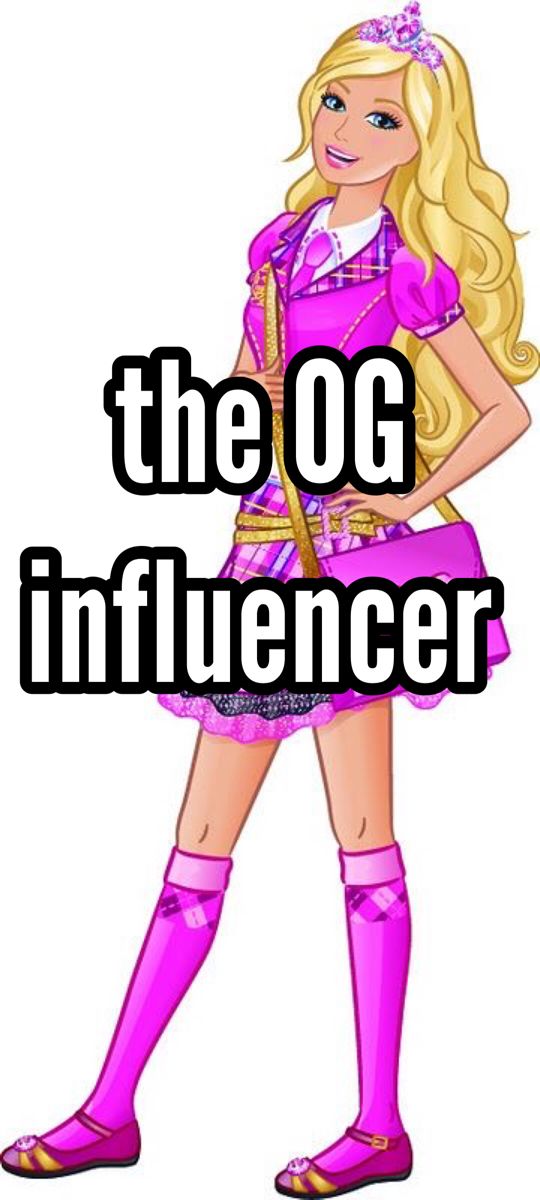
The release of Barbie (2023) detonated the cultural landscape like an unexpected salvo, ricocheting far beyond the pink bubbles and plastic glamour that once confined this iconic figure. Suddenly, a toy that once resonated solely with children became the nexus of heated debates, viral memes, and a seismic shift in social discourse. What is it about this seemingly innocuous film that cracked the internet with such force and, intriguingly, fractured the fragile egos of many men along the way? Beneath the pastel veneer lies a potent cocktail of cultural reckoning, feminist rebellion, and a pointed challenge to deeply entrenched societal norms. This is not merely a film; it is a cultural reckoning wrapped in glossy aesthetics.
The Meta-Phenomenon of Barbie in the Digital Era
Barbie’s unprecedented digital uproar was no accident. It unfolded within an ecosystem primed to amplify cultural phenomena and contradictions alike. The film’s arrival amid a zeitgeist of heightened social consciousness ensured it was received as both a mirror and a magnifier. Social media platforms turned into echo chambers where audiences enthusiastically dissected every frame, dialogue, and thematic nuance. The viral cascade of memes, parodies, and heated threads surfaced not just as entertainment but as cultural artifacts, signaling a collective grappling with Barbie’s transformation—from simplistic doll to a layered symbol of identity, agency, and skepticism of perfection.

This meta-phenomenon underscores a broader cultural hunger to revisit and repurpose childhood icons through intersectional, often feminist, lenses. Barbie was, quite literally, being reimagined—reshaped to embody contradictions, critique norms, and spark dialogue.
Deconstructing Barbie’s Glittering Facade: A Subversion of Normative Femininity
Barbie’s traditional image was carefully chiseled from a mold of unattainable beauty and passive femininity. The 2023 incarnation tears down this facade with cutting precision. This reinvention poses significant challenges to the fetishization of perfection and unequivocally confronts consumer culture’s role in shaping female identity. By juxtaposing Barbie’s polished exterior with subversive narratives—highlighting flaws, contradictions, and the quest for authentic selfhood—the film rejects superficiality and demands a reappraisal of what it means to be feminine in a postmodern society.

This deliberate subversion unsettles viewers who were comfortable with Barbie as a benign, decorative object. The film insists femininity is not a monolith; instead, it is an evolving, multifaceted experience inclusive of empowerment, vulnerability, and unapologetic complexity.
Why Did Some Men’s Egos Shatter? The Anatomy of a Backlash
The resounding backlash from certain male demographics reveals an undercurrent of insecurities masked as critique. Barbie’s unapologetic elevation of female autonomy and rejection of patriarchal paradigms was perceived by some as a direct affront. The disruption of archetypal gender roles challenged the status quo, provoking defensive rhetoric aimed at reclaiming a perceived lost dominion over cultural narratives. This reaction exposes a fragile egoistic architecture unable to reconcile with the shifting balance of gendered power embedded within the film’s themes.

More than mere discomfort, this response manifests a cognitive dissonance: an ingrained belief system falters when confronted with narratives that dismantle male entitlement and hegemonic masculinity. Rather than introspection, the reflexive backlash seeks to invalidate the film and marginalize the movement it represents. Yet, these fissures illuminate how cultural shifts can provoke resistance particularly when they threaten long-standing power constructs.
The Collective Fascination: Why Are We So Enchanted by Barbie’s Rebirth?
At its core, Barbie’s current iteration taps into a collective fascination with transformation and the rebirth of symbols laden with history and meaning. This enchantment stems from the desire to witness the evolution of familiar icons that have subtly influenced personal and societal identities for generations. Barbie now functions as a canvas where contemporary anxieties and aspirations are projected, negotiated, and sometimes contested.
The film’s success lies in its ability to synthesize playful nostalgia with incisive social critique. It invites viewers to confront uncomfortable truths beneath layers of glitter—about gender, consumerism, and identity politics—while relishing a shared cultural moment that feels both personal and profoundly public. Barbie’s resurgence is emblematic of a broader societal pivot questioning how culture remembers and reinvents its myths.
Barbie as a Cultural Conduit: Beyond Pink and Plastic
The narrative woven by Barbie (2023) functions simultaneously as entertainment and a cultural conduit for radical introspection. The film deftly navigates issues of representation, capitalism, and identity politics without sacrificing accessibility. It harnesses the power of a seemingly innocuous character to elevate discussions once relegated to academic or niche circles into mainstream dialogues.
Barbie therefore embodies an evolution from mere object to catalyst—provoking critical thought, emotional engagement, and sociopolitical discourse. This alchemical transformation challenges simplistic dismissals and forces a reckoning: Barbie is no longer just a doll for children; she is a mirror reflecting a world in flux, demanding fierce attention and keen understanding.
Conclusion: The Imperative of Embracing Discomfort in Cultural Evolution
The fissures cracked open by Barbie (2023) reveal the profound discomfort that accompanies genuine cultural evolution. Its viral eruption and the gendered backlash it ignited highlight the urgency of confronting entrenched power dynamics and toxic modes of identity preservation. Barbie’s story is a clarion call to dismantle illusions, embrace nuance, and reclaim narratives with boldness and clarity.
Rather than dismissing Barbie as frivolous, the internet-breaking spectacle demands engagement. It beckons society to interrogate what icons mean, who they serve, and how they can be wielded to catalyze emancipation. The exposure of fragile egos along the way is not collateral damage but a fundamental indication of the paradigm shift underway. In Barbie’s shimmering reflection, we must confront ourselves and envision a future where complexity and empowerment coexist unapologetically.









Leave a Comment