
Empowerment is draped in luminous garbs—words that glisten with promise, calls to action echoing like a siren’s song. Yet beneath this radiant veneer lies a labyrinthine puzzle, a question many hesitate to ask: Who truly benefits from empowerment content? The answer is a shadowed corridor, an uncomfortable truth lurking behind every polished slogan and every shareable meme. This inquiry shatters the glowing orb of good intentions, revealing a landscape riddled with paradoxes and power plays.
The Mirage of Empowerment: When the Oasis Is a Mirage
Empowerment content often presents itself as an oasis in the wasteland of disenfranchisement—a treasured source of motivation, inspiration, and agency. But like a mirage shimmering on a sun-bleached desert, it beckons with promise yet dissipates upon closer inspection. Just as the wanderer yearns for water only to be deceived by heat and illusion, the consumer of this content yearns for substantial change but is met with ephemeral affirmation.
Glorious buzzwords like “connection,” “agency,” and “self-actualization” flash in bold fonts, enticing viewers to click, share, and smile. Yet, the very platforms hosting these declarations often commodify hope, packaging personal liberation into consumable, marketable products. Empowerment becomes a product—sold, skimmed, and repurposed—transforming what ought to be a revolutionary act into a marketable spectacle.


Behind the Curtain: The Power Brokers of Empowerment Content
Consider the puppeteers behind this dramatic theater. Who profits when empowerment is monetized? Not the marginalized or the silenced voices clamoring for genuine change. Instead, it is often the architects of the narrative—corporate entities, tech platforms, and self-styled gurus—who reap dividends. They cultivate a garden of empowerment imagery that’s lush yet sterile, vibrant yet void of true transformation.
These orchestrators hand out tokens of empowerment as candy: a viral quote, an Instagram-worthy mantra, a “like” or a “follow.” These tokens placate deeper unrest by offering a simulacrum of agency, a simulacrum that can be administrated and controlled. The masses consume these morsels, their hunger unfulfilled, their thirst for justice unmet.

The Digital Playground: Amplifying Voices or Silencing Them?
Social media serves as a double-edged sword in this arena. On one side, it amplifies marginalized voices, enabling stories of resistance and resilience to reach corners of the world previously inaccessible. On the other, it traps activists and consumers alike in cyclical loops of performative solidarity—where real struggles are polished into shareable soundbites.
This duality is reminiscent of a carnival funhouse mirror: reflections are distorted, clarity obfuscated. Empowerment content mutates into ‘content for content’s sake,’ a spectacle rather than a catalyst. The personal becomes political in appearance, but the substantive structures sustaining oppression remain untouched, invisible to the eye caught in the spectacle’s glow.
When Empowerment Becomes a Commodity: The Quiet Colonization of Agency
As empowerment morphs into currency, the very concept of agency faces commodification. Agency—that elusive and potent force that propels individual and collective action—transforms into a sleek, packaged service, neatly wrapped and sold back to the consumer. This is no accident, but a sophisticated colonization of desire and dreams.
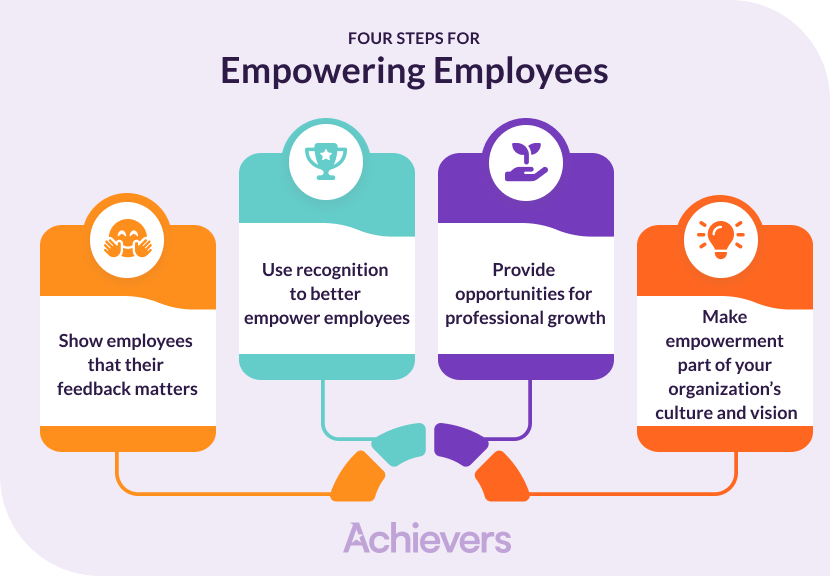
In this economy of empowerment, inequality festers beneath a polished veneer. The narrative shifts from systemic overhaul to individual hustle. Success is distilled into formulaic “steps” and “tips,” instructing individuals to climb ladders that themselves remain shackled to structural barriers. The locus of change moves from institutions to the self, lightening the burden on power structures responsible for inequity.
Empowerment as a Mirage of Inclusion: The Spectacle of Diversity Without Power
There is a sinister allure in the spectacle of empowerment masquerading as inclusion. Brands and institutions parade their commitment to diversity while carefully curating the narrative to exclude deeper disruptions. This is empowerment as a theatrical performance—a masquerade ball where marginalized bodies are invited to dance but not to govern.
Such spectacles offer visibility without vulnerability, celebration without consequence. They ensure the status quo remains intact even as individual stories of struggle receive fleeting applause. Empowerment content thus becomes a palimpsest faintly masking the persistent hierarchies it claims to challenge.
Reclaiming True Empowerment: Beyond the Surface
True empowerment demands peeling back the layers obscuring uncomfortable realities. It requires recognizing that empowerment content, as it stands, often sustains systems rather than dismantling them. It calls us to sift volatility from virtue, spectacle from substance.
Real empowerment is neither a meme nor a marketing ploy. It is collective, messy, and uncomfortable. It demands redistribution—of power, resources, and voice. It necessitates confrontation with those who benefit from the status quo. Only by unmasking these beneficiaries can empowerment regain its radical potential.
Conclusion: Embracing the Uncomfortable Truth
She asked who truly benefits from empowerment content. The answer unsettled the room, unraveling cherished narratives and exposing the shadow economy of agency and identity. Empowerment content, as it currently exists, is less a torch illuminating paths out of oppression and more a gilded cage, alluring yet confining.
To transcend this, embrace the discomfort. Engage with empowerment as a catalyst for systemic upheaval, not a soothing balm for individual insecurities. Only then will empowerment reclaim its potency—not as spectacle, but as revolution.








Leave a Comment