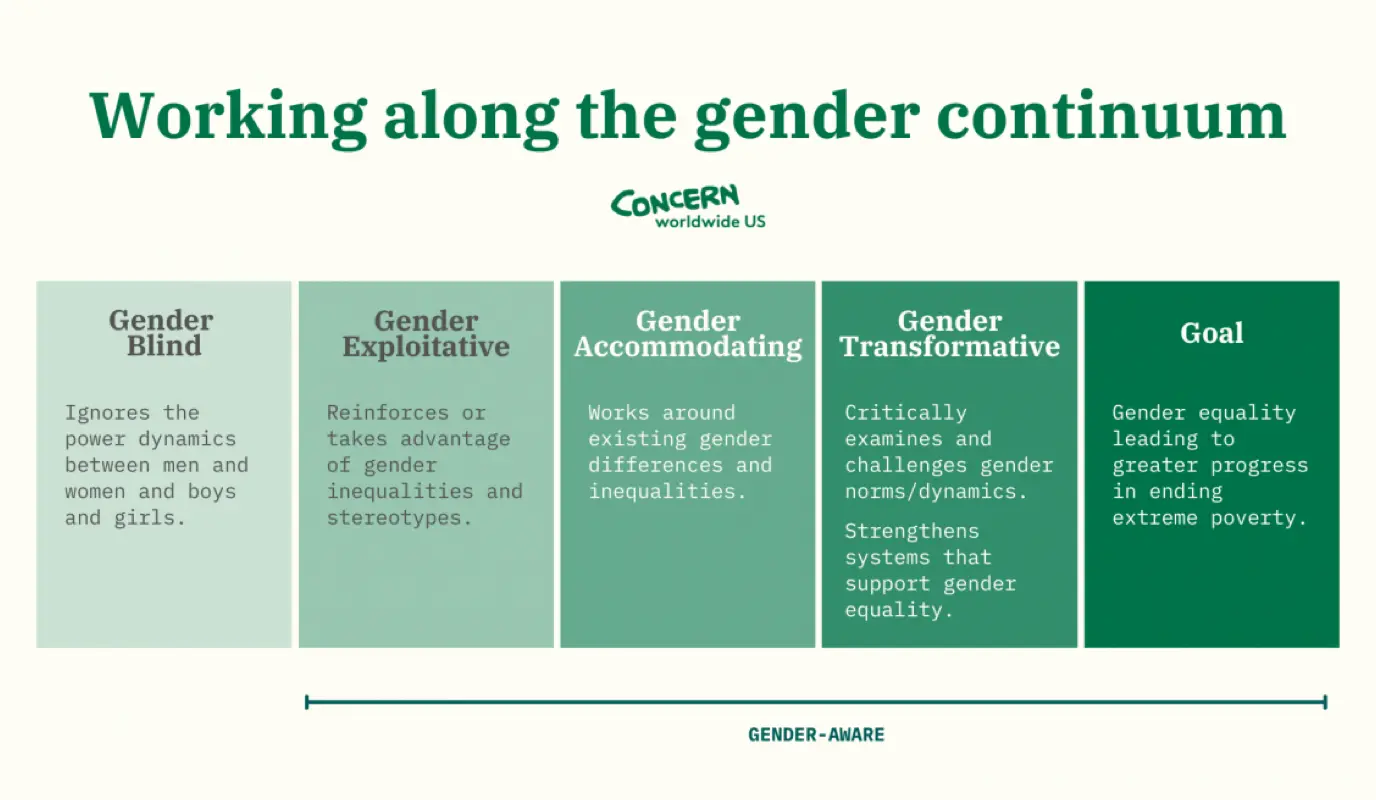
From boardrooms to bedrooms, from legislative halls to lunch tables, the stirring of “women’s issues” often masquerades as a collective concern. Yet, beneath the veneer of widespread acknowledgment lies an uncomfortable truth: these issues rarely ascend the pedestal of universal priority. The paradox is glaring — women’s struggles are undeniably interconnected with society’s tapestry, yet the fervor to address them remains sporadic, selective, and often subdued. Why is this disconnect so pervasive? Why do issues that impact half the population remain sidelined as marginal when, in fact, they ripple through every facet of communal existence?
The Illusion of Shared Concern
The phrase “women’s issues” conjures a powerful, often unifying rhetoric. It feels inclusive, almost obligatory in polite discourse. Yet, beneath this linguistic veneer, there lurks a subtle alienation. The wording itself suggests exclusivity — that these are problems confined to women alone. This semantic limitation constructs a psychological barrier for many. People who do not identify as women may instinctively distance themselves, mistaking these challenges as peripheral to their own lives. But the reality shatters this misconception: issues like pay equity, reproductive rights, gender-based violence, workplace harassment, and healthcare access embed themselves into the fabric of society, affecting everyone regardless of gender identity.
This illusion of separateness is not accidental. It serves as a convenient veil for those reluctant to confront the disruptive societal shifts required to dismantle patriarchy. By designating women’s struggles as “their” issues, the broader public can compartmentalize and, ultimately, sidestep accountability.
Historical Marginalization and Its Lingering Aftermath
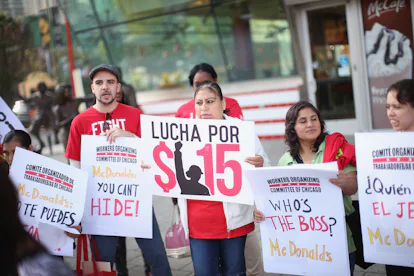
The societal stratification that pins women on the periphery is hardly a modern phenomenon; it is steeped in historical inertia. For centuries, women’s voices were stifled, their roles rigidly circumscribed within patriarchal blueprints. This legacy has fossilized in political, economic, and cultural institutions, ensuring that women’s needs are often an afterthought in policy-making. Even as communities vociferously proclaim equality, the execution falls short.
Moreover, the remnants of this marginalization engender a societal subconscious that trivializes or fetishizes women’s issues instead of treating them with gravitas. When one glimpses the way in which “women’s issues” are sometimes framed — as emotional, non-essential, or niche — it becomes clear that systematic undervaluation is baked into collective consciousness.
Intersectionality: The Complexity of Women’s Experiences
To unravel the enigma of prioritization, it is imperative to recognize that “women’s issues” are not monolithic. They are profoundly shaped by intersections of race, class, sexuality, ability, and geography. A singular narrative fails to capture this kaleidoscope of experiences. When society cherry-picks issues perceived as palatable or convenient, marginalized subgroups are further erased from the discourse.
This selective spotlighting breeds fragmentation and weakens collective advocacy. It also renders those most vulnerable invisible, perpetuating cycles of oppression. The failure to address intersectional realities means that many “women’s issues” remain sidelined in mainstream consciousness, deemed too complex or politically inconvenient to tackle.
The Economic Indifference to Women’s Issues
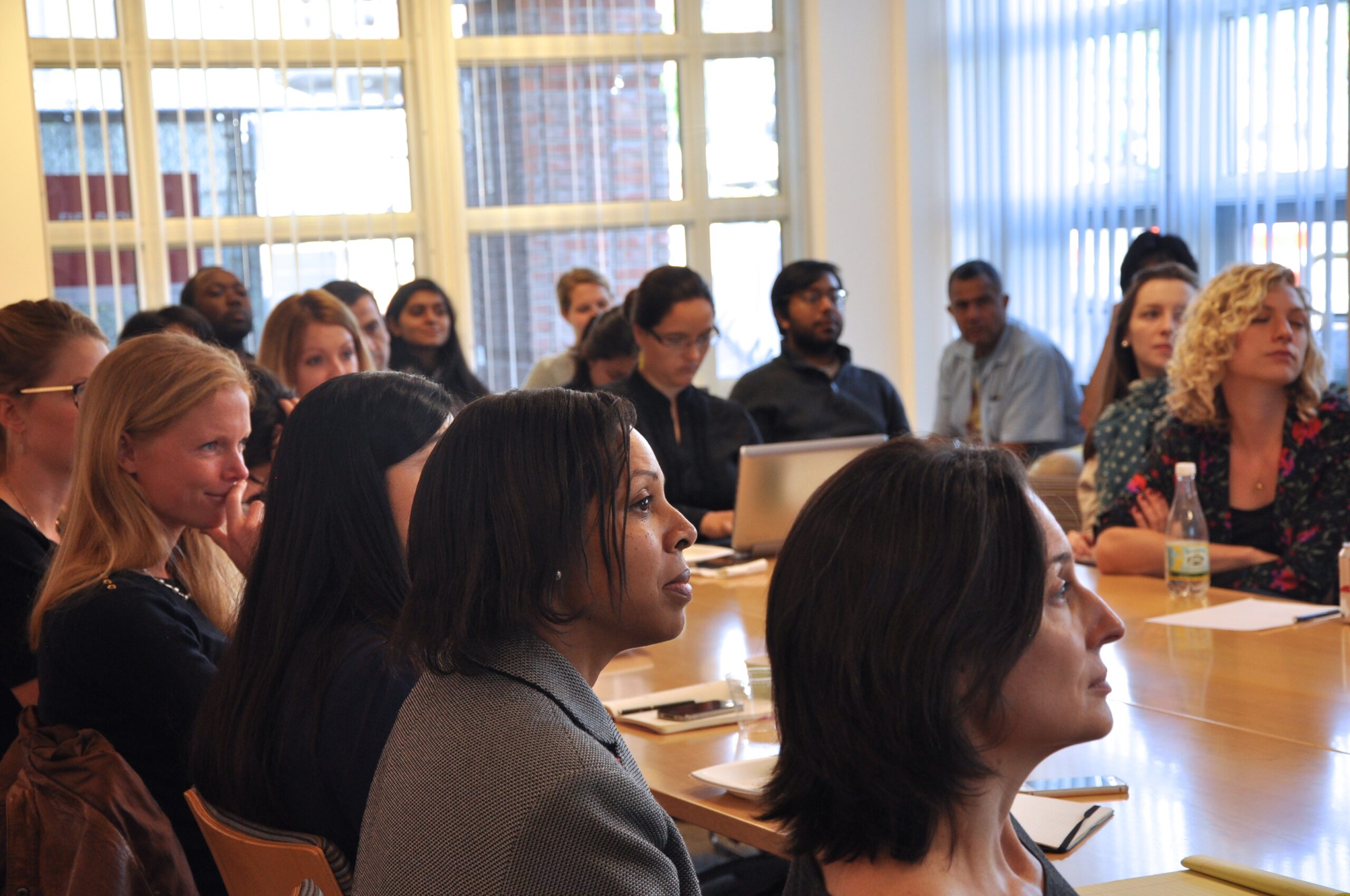
Economics, often heralded as the language of power, plays a pivotal role in the prioritization or sidelining of women’s issues. Corporate and political stakeholders perceive challenges faced by women as disruptions to the status quo. For example, addressing pay equity could unravel entrenched financial hierarchies, while supporting parental leave might challenge corporate productivity norms.
This economic inertia stymies meaningful progress. It is easier — both politically and financially — to placate demands with symbolic gestures than to implement systemic change that redistributes resources and shifts power dynamics. In this theater, women’s issues become bargaining chips rather than legitimate claims.
The Role of Men and Society in Deprioritization
Men, who dominate leadership roles across sectors, are instrumental in shaping the prioritization of societal issues. Their engagement or lack thereof profoundly influences outcomes. Unfortunately, many men remain either disengaged or defensive when confronted with women’s demands, seeing them as challenges to their own privilege rather than calls for equity.
This defensive posture often manifests in diluted policy responses, performative allyship, or outright opposition. Society’s broader fixation with maintaining familiar hierarchies stymies genuine coalitions. Without men—and society at large—embracing these struggles as shared human concerns rather than niche interests, women’s issues remain perennially on the fringe.
The Fascination with Women’s Issues Versus Action
There is a paradoxical fascination with women’s issues in media, academia, and public discourse. They captivate, provoke debate, and attract momentary sympathy. Yet, this fascination rarely translates into sustained action or policy transformation. It mimics a consumerist appetite, where awareness is commodified but meaningful change is relegated to a distant horizon.
This dynamic is fueled by several factors: the complexity of systemic change, the discomfort it evokes, and the entrenched power structures resistant to disruption. The result is a cyclical pattern of heightened awareness followed by apathy — a societal “attention deficit” when it comes to prioritizing women’s lived realities.

Reimagining Prioritization: A Call to Collective Action
The remedy lies in reshaping public consciousness to transcend the limiting framework of “women’s issues” as peripheral concerns. It requires dismantling linguistic separations, investing in intersectional awareness, challenging economic complacency, and fostering authentic male allyship. Above all, it demands a political will that views equity not as a zero-sum game but as a prerequisite for collective liberation.
Women’s struggles embody a mirror reflecting societal values, failures, and possibilities. Prioritizing them is not an act of charity; it is an imperative for a just and thriving society. To move beyond perfunctory lip service to true commitment, everyone must reclaim ownership — because in the grand narrative of humanity, women’s issues are no longer optional chapters; they are integral to the very essence of progress.








Leave a Comment