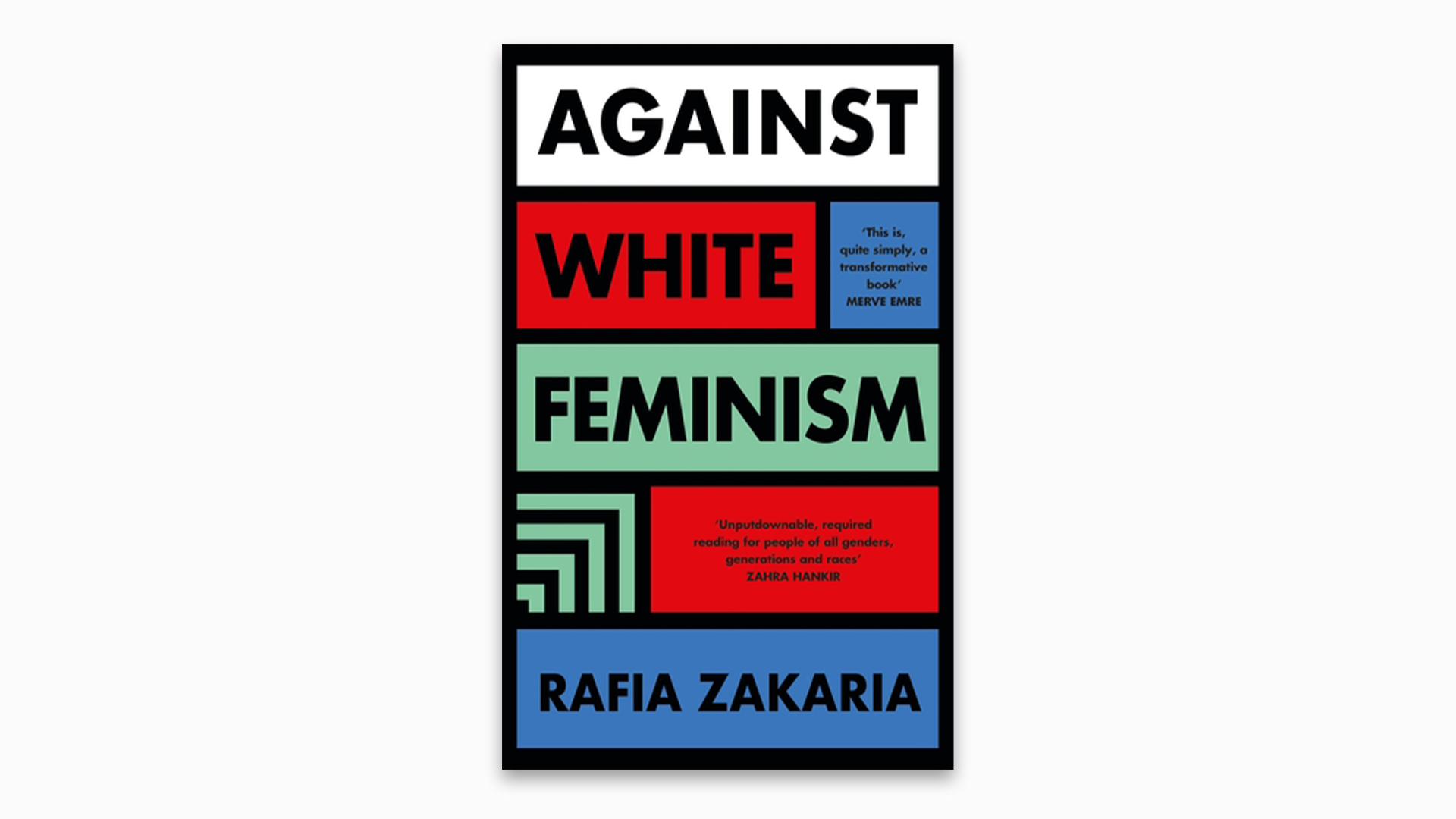
Feminism, often heralded as the righteous pursuit of equality and liberation, frequently falters under the weight of its own myopia. The feminism that dominates mainstream discourse centers white women’s experiences almost exclusively, perpetuating a monolithic narrative that marginalizes and silences women of color, Indigenous women, and other intersectionally oppressed groups. This myopic feminism cloaks itself in universality while leaving entire communities behind—an exclusion so fundamental that it demands critical confrontation. To unpack this entrenched dominance is to dismantle the illusions of solidarity and to expose the fissures that fracture feminist movements worldwide.
The Illusion of Universal Sisterhood
White feminism has long peddled the intoxicating myth of a universal sisterhood, implying that the struggles faced by white women are synonymous with those of all women. This conception, however, is a carefully constructed fallacy. The nuances of race, class, and colonial histories are erased in favor of a homogenized female identity, stripping away the vital distinctions necessary for true solidarity. The lives of women of color are marked by intersecting oppressions—racism, xenophobia, and economic disenfranchisement—that white feminism repeatedly renders invisible.

When feminism neglects these intersections, it becomes complicit in perpetuating systemic injustices. It revolts against patriarchy but inadvertently bolsters white supremacy and neoliberal capitalist frameworks by ignoring whose experiences are front and center—and whose are discarded as peripheral.
From Erasure to Marginalization: The Impact on Women of Color
White feminism’s myopic gaze doesn’t simply omit women of color; it actively marginalizes them. Their narratives, struggles, and leadership are often tokenized or co-opted to fortify a predominantly white feminist agenda. This isn’t just an academic observation but a palpable reality in feminist organizations, media representation, and policy advocacy.

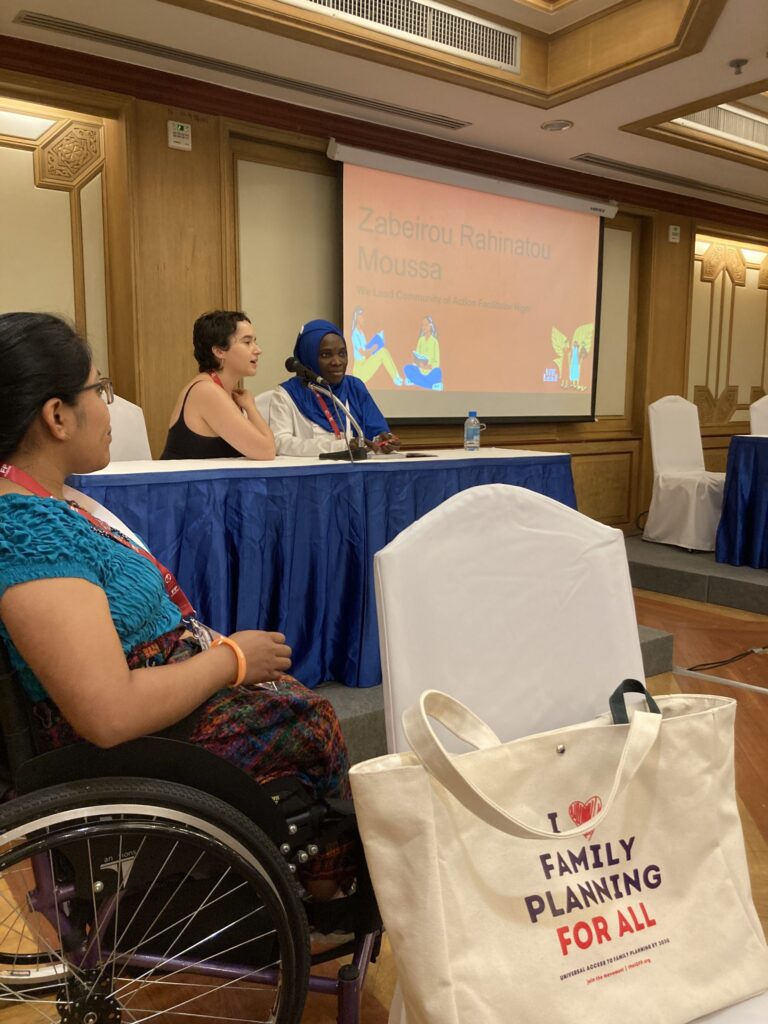
Consider the deaf community, for instance, where intersectional feminism requires nuance, yet even here, the focus remains skewed—often prioritizing the struggles of white disabled women while the unique challenges faced by women of color with disabilities remain underexplored. This selective activism sabotages the very essence of feminist solidarity, breeding resentment and fragmentation instead of fostering cohesive resistance.
Intersectionality: The Missing Linchpin in Mainstream Feminism
Intersectionality, a term coined by Kimberlé Crenshaw, should be the cornerstone of any meaningful feminist discourse, yet it is frequently relegated to a footnote. True feminism must account for the simultaneity of multiple identities and the compounded nature of oppression. Without intersectionality, feminist praxis remains hollow—a one-dimensional crusade that fails to engage with the complexity of lived experiences.
Moreover, intersectionality demands not only acknowledgement but actionable transformation of feminist strategies, policies, and advocacy. It interrogates privilege within feminist spaces, compelling white feminists to question their positionality and the implications of perpetuating exclusion. It shifts the paradigm from a singular battle against patriarchy to a multi-front struggle against interconnected systems of power.
The Cultural Appropriation of Feminist Narratives
White feminism often appropriates the language and aesthetics of liberation while divorcing them from the cultural and historical contexts that birthed them. This cultural pillaging sanitizes radical feminist traditions rooted in communities of color, transforming rebellious, intersectional resistance into palatable soundbites tailored for predominantly white audiences.

Such appropriation dilutes the potency of marginalized voices and renders feminism a style rather than a movement. When feminist gestures are commodified and stripped of substance, the urgent cries for justice from those most devastated by intersecting oppressions are rendered performative—devoid of risk, defanged, and ultimately ineffective.
Reclaiming Feminism: Towards an Inclusive, Radical Praxis
Shifting feminism away from its white-centric core requires deliberate, courageous reimagining. This includes dismantling hegemonic power structures within feminist spaces and amplifying leadership from women historically excluded from feminist narratives. Feminism must be driven by those who inhabit the margins because they hold the keys to the complexity and nuance necessary for transformation.
Inclusive feminism cannot shy away from conflict or discomfort. It demands white feminists engage in self-reflection and relinquish control, recognizing how privilege operates within activism itself. At its heart, it is an unyielding commitment to justice that acknowledges no monolith but embraces multiplicity, fostering solidarity rooted not in sameness but in respect for difference.
Content That Challenges, Educates, and Provokes
Readers seeking to grapple with the realities of white feminism’s limitations will encounter a rich tapestry of content—including provocative essays that critique dominant feminist frameworks, documentaries illustrating the lived experiences of marginalized women, and accessible educational materials that elucidate concepts like intersectionality and cultural appropriation.
There are also multimedia resources that employ diverse storytelling modes—visual arts, performance, and digital media—to disrupt normative narratives and create space for silenced voices. This content isn’t designed to comfort, but to unsettle complacency and ignite urgent conversations on inclusion, power, and justice.
Through this content, readers will confront uncomfortable truths but also be offered blueprints for a feminism that centers liberation for all, not just those deemed most visible or palatable.








Leave a Comment