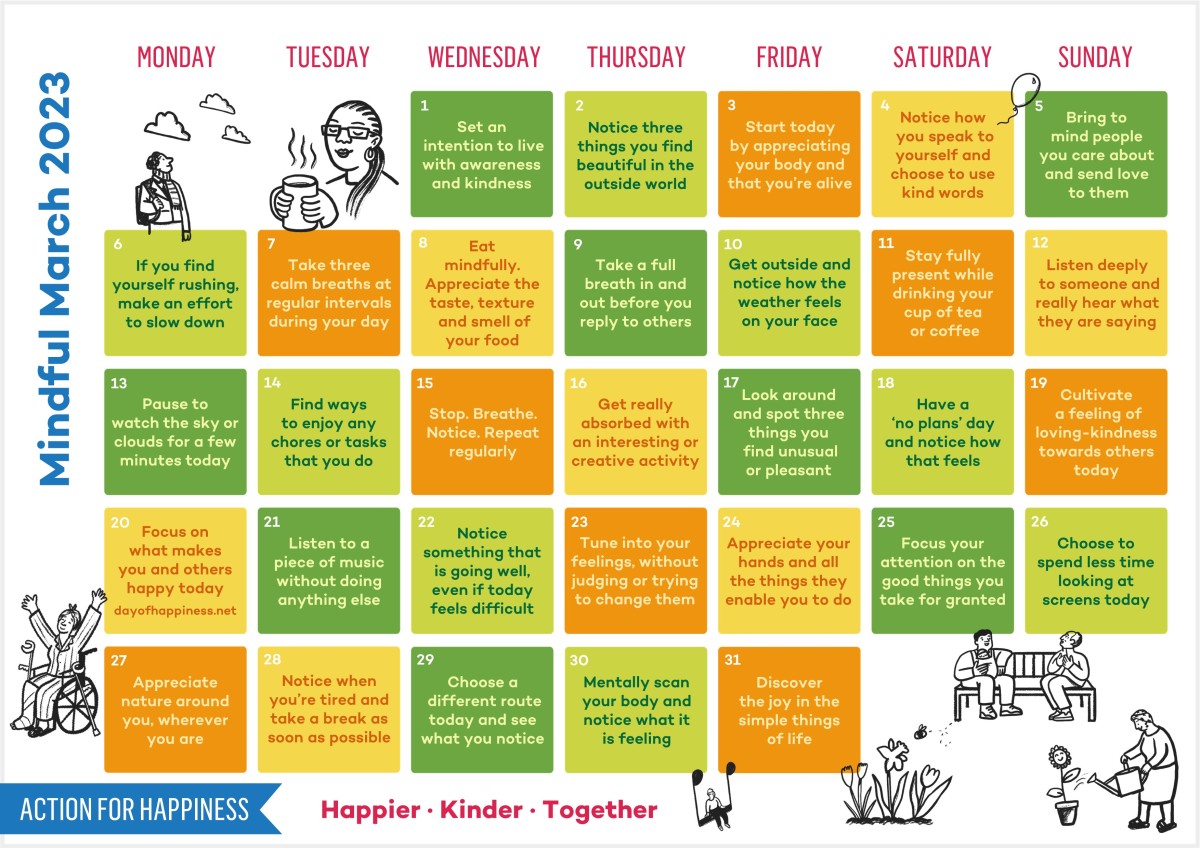
There is an unspoken, unacknowledged phenomenon observed in households across cultures and countries: women are the custodians of the mental calendar for entire families. From storing birthdays and doctor’s appointments to tracking school events and social engagements, women seem to carry an invisible ledger of time and obligations. This phenomenon leaves one pondering—why is it so widely expected, accepted, and even normalized that women bear this cognitive load? Beneath this familiar pattern lies a complex web of societal expectations, gender dynamics, and psychological conditioning that demands incisive scrutiny.
The Invisible Burden of Cognitive Labor
At the heart of the issue is the concept of cognitive labor—the mental work involved in organizing, planning, and managing family life. This is a labor that is exquisitely invisible. It is not about the physical execution of tasks, but the relentless anticipation and orchestration that precedes action. Women often internalize this mental choreography without recognition or relief. Calendars, reminders, and mental checklists become extensions of their minds, absorbing the collective needs of their families like psychological sponges.
This unceasing mental juggling act is exhausting, yet it persists because it is socially embedded. Culture perpetuates the idea that women, by virtue of being caregivers, possess an intuitive capacity for multitasking that positions them as default timekeepers. Men, children, and even society at large rarely acknowledge the sheer cognitive intensity required to simultaneously hold so many temporal details. The invisible burden lingers, silently eroding women’s mental bandwidth.
Social Conditioning and Gender Roles: A Deep-Rooted Schema
Why is it that women are culturally-coded as managers of time and memory within families? The answer lies in the entrenched social structures that pigeonhole women into caretaking roles. From infancy, girls are conditioned to be attuned to others’ needs—empathy, organization, and emotional labor are inculcated as feminine virtues. These conditioning forces function like invisible shackles, subtly directing women toward domestic stewardship.
The mental calendar symbolizes more than just a schedule; it represents control over the family’s emotional and logistical ecosystem. Women are expected to be the reliable anchors, the constant presence ensuring nothing is forgotten or overlooked. This is a role adorned with both reverence and invisibility. It is naturalized so deeply that questioning it may seem tantamount to destabilizing the very fabric of family life.

The Psychological Toll of Mental Calendaring
Carrying a mental calendar is more than mere organization; it is a persistent cognitive strain that can contribute to chronic stress, anxiety, and burnout. Women who assume this role often describe a constant background noise of deadlines, anticipations, and contingencies. This cognitive load detracts from their capacity to relax or focus on personal growth and wellbeing.
Many women report feelings of invisibility regarding this effort—recognition seldom accompanies the endurance of managing everyone else’s time. The toll is both psychological and physiological: sleepless nights strategizing schedules, the nagging sensation of potential failure to remember something crucial, and the emotional labor of smoothing over conflicts born from misunderstood or forgotten commitments. This relentless vigilance exacts an often unspoken cost.
Resistance and Reimagining the Division of Mental Labor
Faced with this pervasive dynamic, some women are starting to resist and renegotiate the expectations placed upon them. Advocates for equitable labor within households emphasize a radical redistribution—not just of physical chores, but of mental labor. This means collectively sharing the mental calendar, co-creating systems that relieve women from bearing the full weight of familial time management.
Reimagining the mental calendar demands a consciousness shift within relationships and societal structures. Men and other family members must actively cultivate habits of participation in scheduling, remembering, and organizing. Technology can aid this, but it is insufficient without a fundamental challenge to ingrained gender narratives. Equitable mental labor is a crusade toward liberation from antiquated caretaking paradigms.

The Mental Calendar as a Mirror of Power Dynamics
The persistent expectation that women hold the mental calendar reflects broader power imbalances. Mental labor functions as a subtle metric of control within domestic spaces. Women’s willingness—or compulsion—to maintain the family’s chronological coherence often confers upon them emotional authority, but simultaneously shackles them.
When families rely exclusively on women’s mental labor, it reproduces systems of gendered dependency. The mental calendar acts less as a tool of empowerment and more as a mechanism reinforcing patriarchal hierarchies. The ability to dictate family rhythms is a double-edged sword—women gain centrality but lose autonomy, bound to a ceaseless cycle of caregiving vigilance that limits personal liberation.
Culture of Appreciation: Moving Beyond Obligation
To disrupt these cycles, there must be a cultural shift towards genuine recognition and appreciation of women’s cognitive labor. Gratitude alone won’t uproot systemic inequities, but it plants seeds for more profound change. Acknowledging the invisible mental scaffolding women erect daily is a crucial step in valuing emotional and cognitive contributions equitably.
Celebrating women’s roles as mental cartographers should come with calls to dismantle the structural burdens they bear. True appreciation encompasses active allyship: sharing responsibilities and questioning normative roles. This cultural transformation requires mindfulness from all family members and communities to cultivate balance and justice in the shared experience of temporal guardianship.
Conclusion: Toward a Future of Shared Mental Stewardship
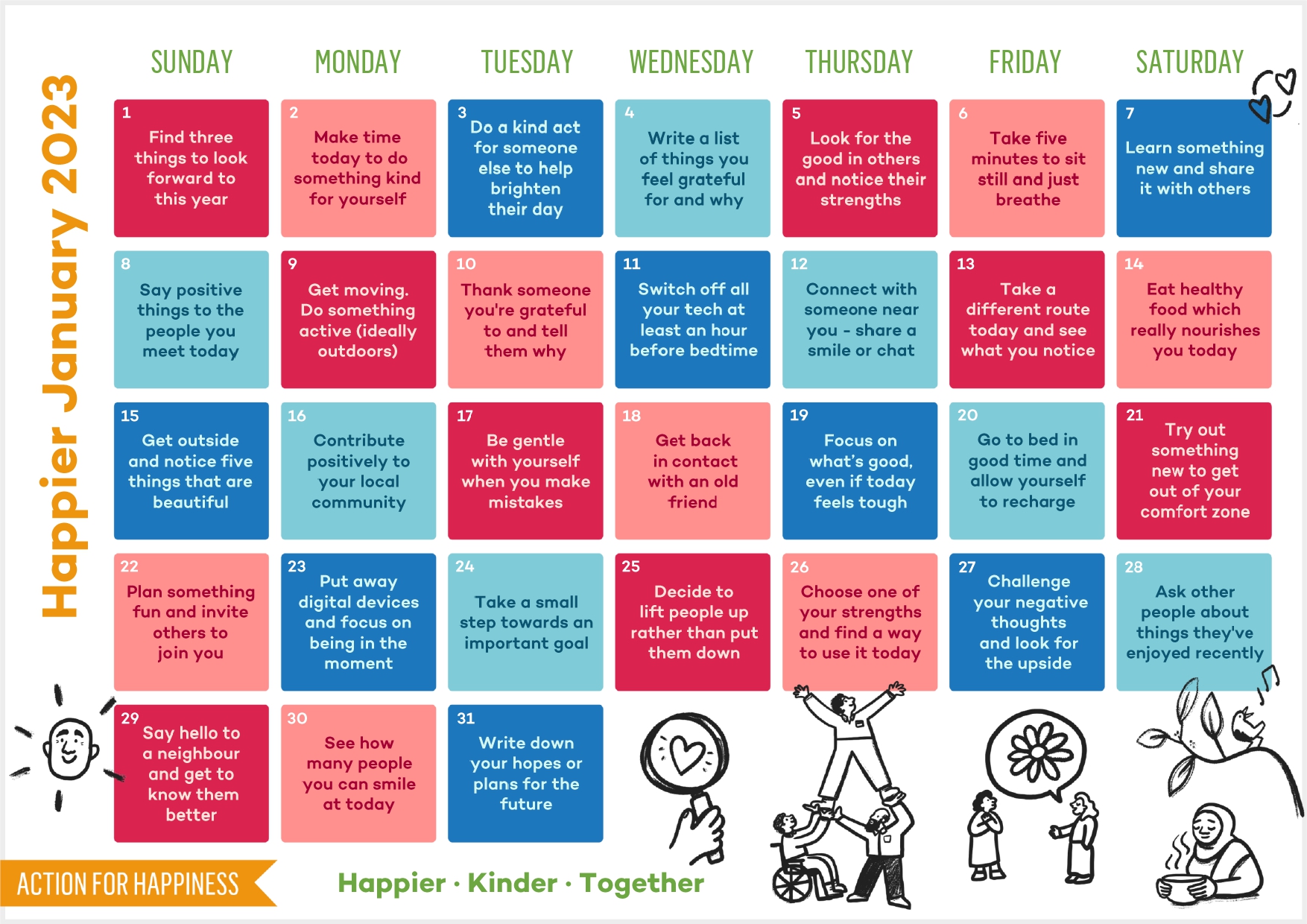
Women carrying the mental calendar for entire families is a phenomenon that simultaneously reveals resilience and systemic imbalance. It is a testament to women’s extraordinary capacities, but also a glaring indicator of gendered inequity. This intricate interplay invites a radical rethinking of mental labor in domestic spheres.
Breaking free from this invisible bondage means cultivating collective responsibility, redefining gender roles, and fostering equitable practices within families and societies. Only then can the mental calendar transform from a weight borne by women alone into a shared instrument of harmony and intentional living. It is time for mental calendars to be democratically held, not silently shouldered.











Leave a Comment