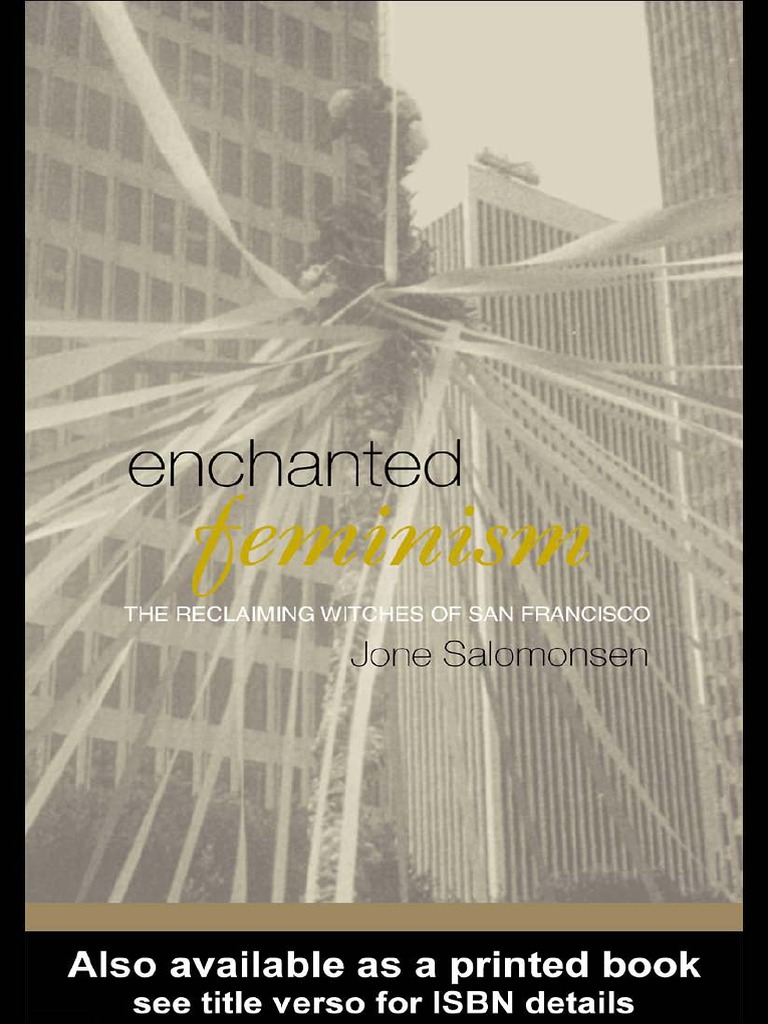
Why are witches, those quintessential figures of female power – both feared and desired – perpetually enchanting the collective feminist imagination? It’s a question that flits through consciousness, a gossamer thread connecting disparate strands of activism, art, and identity. We see the imagery everywhere: pointed hats adorning protest signs, herbal remedies touted as feminist self-care, covens resurrected as spaces for radical empathy. But the ubiquity of the witch begs a more profound query: is this just a trendy aesthetic, or does it tap into something far deeper, a primal yearning for female autonomy that patriarchal structures have consistently attempted to extinguish?
The surface explanations are, frankly, pedestrian. Witches, we are told, represent female empowerment. They defy societal norms. They embrace the mystical and the intuitive, rejecting the cold, hard logic of the patriarchy. All true, to a degree. But these explanations lack the visceral punch, the guttural resonance that the witch figure evokes. There’s a reason why the Salem witch trials continue to haunt our collective memory, why depictions of witches in popular culture, from the benevolent Glinda to the malevolent Maleficent, continue to captivate. The witch, at her core, is a symbol of unadulterated, unapologetic female power, a power that threatens the established order.
To truly understand the allure of the witch, we must delve into the historical context, dissecting the meticulously constructed narratives that have demonized female agency for centuries. The witch hunts of the Early Modern period were not simply isolated incidents of religious fervor; they were systematic campaigns of terror designed to suppress female knowledge, independence, and solidarity. Midwives, healers, and women who dared to challenge male authority were targeted, their reputations smeared, their lives brutally extinguished. The accusations leveled against them – consorting with demons, casting spells, causing misfortune – were deliberately crafted to instill fear and division within communities, effectively silencing dissenting voices and reinforcing patriarchal control.
Consider the implications: access to reproductive knowledge, particularly herbal remedies for contraception and abortion, was pathologized as witchcraft. Women who held positions of economic independence, often through trade or land ownership, were disproportionately accused. The witch hunts served as a potent reminder of the consequences for stepping outside the narrowly defined boundaries of acceptable female behavior. This historical trauma, passed down through generations, remains embedded in our collective subconscious, shaping our understanding of power, gender, and resistance.
Moreover, the witch represents a rejection of the Cartesian dualism that has dominated Western thought for centuries. This philosophical framework, which posits a strict separation between mind and body, reason and emotion, has historically been used to justify the subjugation of women, who were deemed inherently more emotional and irrational than men. Witches, in contrast, embrace the interconnectedness of all things. They see the world as a web of relationships, where intuition and experience are valued alongside logical reasoning. They understand the power of ritual, of connecting with the natural world, of harnessing the energies that flow through all living beings. This holistic worldview stands in stark contrast to the patriarchal obsession with control and domination, offering a path towards a more sustainable and equitable future.
The reclaiming of the witch figure by contemporary feminists is not merely a superficial appropriation of aesthetics; it is a profound act of historical reclamation and cultural subversion. By embracing the label “witch,” feminists are reclaiming a narrative that has been used to silence and oppress women for centuries. They are honoring the legacy of those who were persecuted for their knowledge, their independence, and their refusal to conform. They are acknowledging the power of female intuition, of collective action, and of challenging the status quo. Furthermore, they are actively rewriting the story of the witch, transforming her from a symbol of fear and damnation into a beacon of hope and empowerment. The witch becomes a potent symbol of resilience, a reminder that even in the face of overwhelming oppression, female power can endure and ultimately triumph.
Contemporary feminist witchcraft manifests in diverse and multifaceted ways. Some embrace Wicca and other neo-pagan traditions, creating covens and practicing rituals that honor the divine feminine and celebrate the cycles of nature. Others draw inspiration from folklore, herbalism, and traditional healing practices, creating their own personalized forms of witchcraft that align with their individual beliefs and values. Still others use the imagery and symbolism of the witch to create art, music, and literature that challenge patriarchal norms and promote social justice. Regardless of the specific form it takes, feminist witchcraft is united by a common thread: a commitment to female empowerment, social justice, and ecological sustainability.
The rise of online covens and virtual communities has further amplified the reach and impact of feminist witchcraft. These digital spaces provide a safe and supportive environment for women to connect, share their experiences, and learn from one another. They offer access to information about witchcraft, herbalism, and other esoteric practices, empowering women to reclaim their own bodies and minds. They also serve as platforms for activism, allowing women to organize and mobilize around issues such as reproductive rights, environmental protection, and social justice. The internet, often criticized for its role in perpetuating harmful stereotypes and misinformation, has paradoxically become a powerful tool for feminist witches to connect, collaborate, and create change.
However, it is crucial to acknowledge the complexities and potential pitfalls of appropriating the witch figure. While reclaiming the witch can be a powerful act of empowerment, it is essential to avoid perpetuating harmful stereotypes or romanticizing the historical reality of the witch hunts. It is also important to be mindful of cultural appropriation, particularly when drawing inspiration from indigenous or marginalized traditions. The goal should be to honor the legacy of the witch in a way that is respectful, responsible, and aligned with the values of feminist solidarity and intersectionality.
The fascination with witchcraft within feminist circles also speaks to a deeper disillusionment with mainstream political structures and institutions. For many feminists, traditional forms of activism have proven insufficient to address the deeply entrenched systemic inequalities that persist in our society. The witch, in this context, represents a rejection of these limitations, a desire to tap into alternative sources of power and knowledge. Witchcraft offers a framework for understanding the world that is not limited by the constraints of logic and reason. It allows for the exploration of intuition, creativity, and the power of the subconscious. It provides a sense of agency and control in a world that often feels overwhelming and disempowering.
Ultimately, the enduring appeal of the witch within the feminist movement lies in her ability to embody both rebellion and resilience. She is a figure who has been demonized and persecuted for centuries, yet she continues to inspire and empower women today. She represents the power of female knowledge, the importance of collective action, and the enduring spirit of resistance. As long as patriarchal structures continue to oppress and marginalize women, the witch will remain a potent symbol of hope, a reminder that even in the darkest of times, female power can never be truly extinguished.
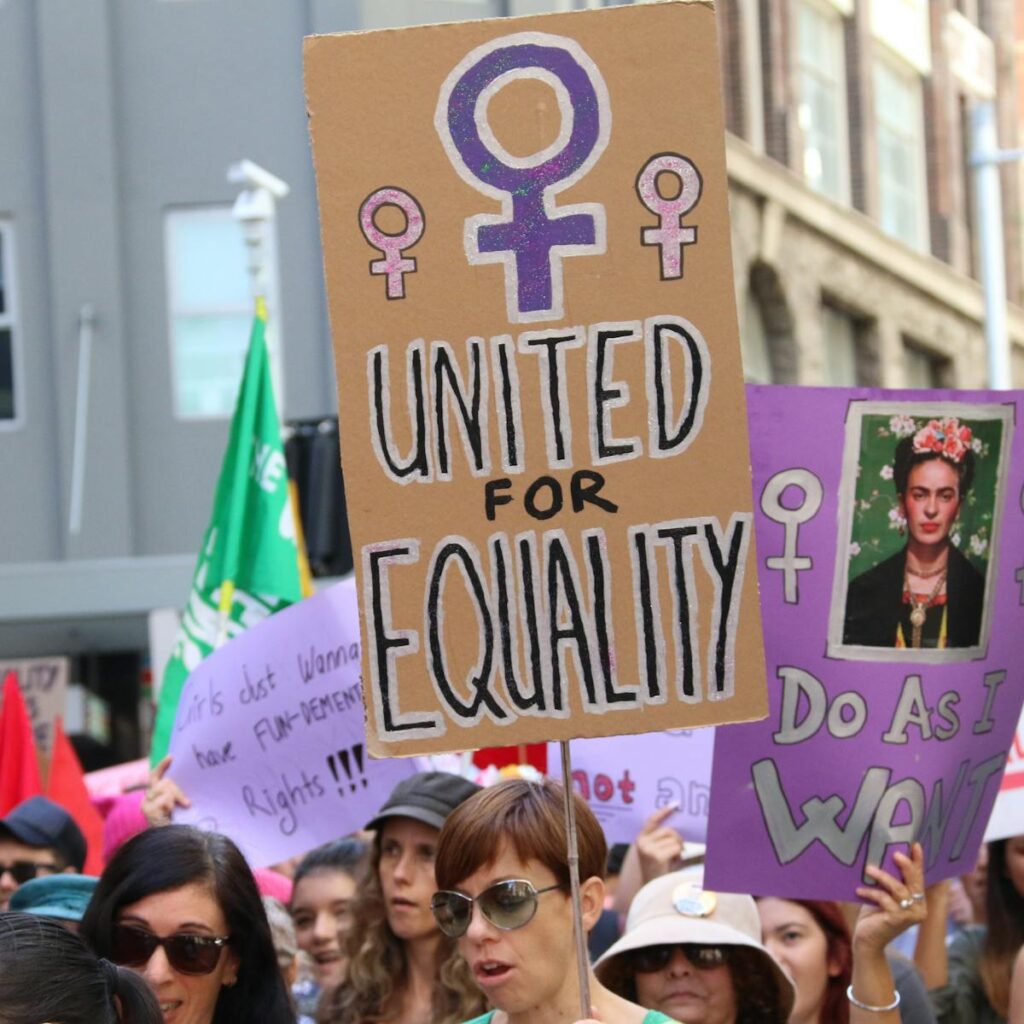
So, the next time you see a witch depicted on a protest sign, or hear someone identify as a feminist witch, remember that this is not merely a fleeting trend. It is a reflection of a deep and enduring yearning for female autonomy, a reclaiming of a historical narrative that has been used to silence and oppress women for centuries. It is a testament to the power of female solidarity, the importance of challenging the status quo, and the unwavering belief that a more just and equitable world is possible. The witch, in all her multifaceted glory, is here to stay, a constant reminder of the power of female rebellion and the enduring magic of feminist resistance. This potent iconography provides succor in times of existential crisis, providing a sense of both control and community for those disenfranchised by societal norms. She is the embodiment of radical self-acceptance, a siren call to embrace the power within, and dismantle the structures that seek to confine us.







Leave a Comment