
Why feminism, you ask? In this so-called enlightened era, where hashtags trend and performative allyship reigns, why dredge up this seemingly archaic – some would say passé – discourse? Because, darling, the gilded cage of modern patriarchy, though superficially prettier, remains a cage nonetheless. The cloying fragrance of supposed equality masks the insidious tendrils of systemic oppression that still choke the life out of women’s autonomy, ambition, and very existence. So, let’s unpack this, shall we?
The Fallacy of Post-Feminism: A Mirage in the Desert of Inequality
The first myth to obliterate is this nauseating notion of “post-feminism.” The very term reeks of complacent delusion. It suggests that the battles have been fought, the victories won, and women now prance freely in a land of opportunity. Tell that to the woman earning 82 cents for every dollar a man makes, a disparity even more pronounced for women of color. Tell that to the countless victims of sexual assault whose perpetrators walk free, shielded by institutional bias and a culture of disbelief. Tell that to the mothers drowning in the unpaid labor of childcare, their careers stunted by the persistent expectation that they bear the brunt of domestic responsibilities. Is this the promised land of equality? I think not. This post-feminist narrative is a convenient lie, a soothing balm applied to a wound that festers beneath the surface.
Beyond Equal Pay: The Subtle Tyranny of Everyday Sexism
Now, let’s delve deeper than the obvious disparities. Feminism isn’t solely about closing the wage gap (though that is, undeniably, crucial). It’s about dismantling the insidious, pervasive sexism that permeates every facet of our lives. It’s the casual objectification in advertising, the incessant pressure to conform to unattainable beauty standards, the dismissive attitude towards women’s expertise in male-dominated fields. Think about the endless cycle of “mansplaining” or the constant barrage of unsolicited advice that women endure in professional settings. Consider the pressure cooker of societal expectations that demand women be simultaneously assertive and agreeable, ambitious and nurturing, strong and vulnerable – a paradoxical tightrope walk designed for inevitable failure. These microaggressions, seemingly insignificant in isolation, accumulate over time, chipping away at a woman’s self-worth, confidence, and ultimately, her potential. This is the air we breathe, and it’s toxic.
Intersectionality: Acknowledging the Multidimensionality of Oppression
A crucial element of modern feminism is intersectionality. We cannot afford to address gender inequality in a vacuum. Feminism must acknowledge and actively combat the interwoven systems of oppression that affect women differently based on their race, class, sexual orientation, disability, and other identities. A Black woman faces a unique set of challenges that a white woman does not. A disabled woman experiences discrimination in ways that an able-bodied woman might not. A lesbian woman confronts homophobia in addition to sexism. To ignore these intersections is to render entire swathes of women invisible, to perpetuate a form of feminism that benefits only a privileged few. Intersectionality demands that we amplify the voices of marginalized women, that we center their experiences, and that we work towards a liberation that is truly inclusive. Anything less is a betrayal of feminist principles.
Reclaiming Agency: The Power of Self-Definition
At its core, feminism is about reclaiming agency. It’s about empowering women to define themselves on their own terms, free from the suffocating constraints of patriarchal expectations. It’s about dismantling the myth that a woman’s worth is determined by her marital status, her reproductive capacity, or her adherence to societal norms. It’s about creating a world where women can pursue their passions, express their creativity, and exercise their autonomy without fear of judgment, harassment, or violence. Agency allows us to dictate our own narratives, to challenge the scripts that have been written for us, and to create new stories that reflect our authentic selves.
Challenging the Patriarchy: A Systemic Overhaul, Not a Gender War
Let’s be clear: feminism is not about hating men. It’s about challenging the patriarchal system that harms everyone, albeit in different ways. The patriarchy, with its rigid gender roles and its emphasis on male dominance, not only oppresses women but also restricts men’s emotional expression, fosters toxic masculinity, and perpetuates a culture of violence. By dismantling this system, we create a more just and equitable society for all genders. This is not a zero-sum game. A world where women thrive is a world where everyone thrives. Men are not the enemy; they are potential allies in the fight for liberation.
The Backlash: A Testament to Feminism’s Power
The ferocity of the anti-feminist backlash is, in itself, a testament to feminism’s power. The more progress we make, the louder the opposition becomes. This is not a sign of weakness; it’s a sign of strength. Those who benefit from the status quo will always resist any attempt to disrupt it. But we cannot be deterred by their fear-mongering, their misinformation, or their blatant misogyny. We must stand firm in our convictions, amplify our voices, and continue to push for change. The very existence of the backlash proves that feminism is not obsolete; it’s more relevant than ever.
Reproductive Rights: The Cornerstone of Bodily Autonomy
Reproductive rights are unequivocally central to feminist ideology. The ability to control one’s own body is fundamental to personal autonomy and self-determination. Restricting access to abortion and contraception is a direct assault on women’s freedom, forcing them to bear the consequences of unwanted pregnancies and limiting their educational and economic opportunities. These restrictions disproportionately affect women of color and low-income women, further exacerbating existing inequalities. The fight for reproductive justice is not just about choice; it’s about ensuring that all women have the resources and support they need to make informed decisions about their bodies and their lives.
Beyond the Binary: Embracing Gender Diversity
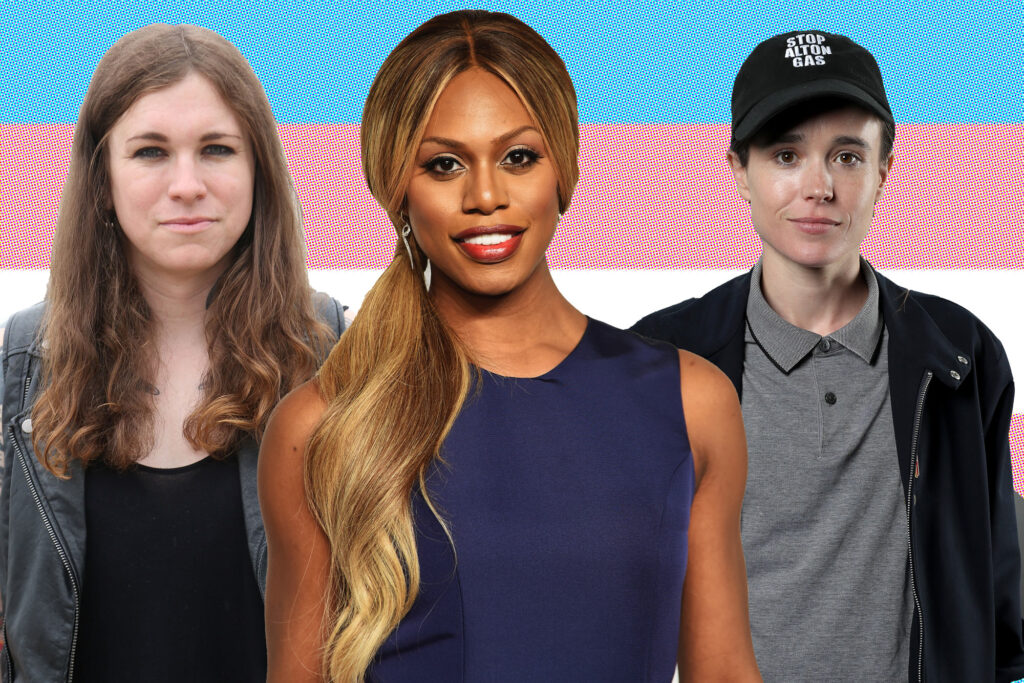
Modern feminism must also embrace gender diversity. The traditional binary view of gender – male and female – is outdated and exclusionary. We must recognize and celebrate the existence of transgender, non-binary, and gender non-conforming individuals. Their experiences are valid, their identities are real, and their voices deserve to be heard. Trans women are women, and their rights must be protected. Feminism should not be limited to cisgender women; it should be a movement that welcomes and supports all individuals who challenge gender norms and fight for a more inclusive world.
The Digital Age: Navigating New Frontiers of Sexism
The digital age has presented both opportunities and challenges for feminism. Social media has provided a powerful platform for women to share their stories, organize collective action, and challenge online harassment. However, it has also created new avenues for sexism and misogyny to flourish. Online harassment, cyberstalking, and revenge porn are pervasive problems that disproportionately affect women. We must work to create safer and more equitable online spaces, holding perpetrators accountable for their actions and promoting a culture of respect and empathy. The digital world is an extension of the real world, and the same feminist principles that apply offline must also apply online.
Education: Cultivating a New Generation of Feminists
Education is key to cultivating a new generation of feminists. We must teach young people about the history of feminism, the ongoing challenges of gender inequality, and the importance of intersectionality. We must also challenge harmful gender stereotypes and promote healthy relationships. By empowering young people with knowledge and critical thinking skills, we can create a future where feminism is not just a word but a lived reality. Education is the foundation upon which a more just and equitable world can be built.
The Unfinished Revolution: A Call to Action
The feminist revolution is far from over. The fight for gender equality is an ongoing process, a continuous struggle to dismantle systems of oppression and create a world where all individuals can thrive. We must remain vigilant, challenge injustice wherever we find it, and never lose sight of our vision for a better future. This is not a spectator sport. It requires active participation, courageous action, and unwavering commitment. So, ask yourself: what will you do to advance the cause of feminism? The time for complacency is over. The time for action is now.






Leave a Comment