
Feminism, a word that still ignites fervent debate and, let’s be honest, outright hostility in some quarters. But beyond the tired tropes and misrepresented narratives, lies a simple, yet profoundly radical, concept: equality. Not some saccharine, utopian vision of sameness, but a dismantling of the patriarchal scaffolding that has dictated power dynamics for centuries. This isn’t merely about adding a few more women to corporate boards; it’s about fundamentally restructuring society to value diverse perspectives, challenge ingrained biases, and create a world where everyone, regardless of gender, can thrive. The future, my friends, isn’t female just because it sounds catchy; it’s female because the very survival of a just and equitable world depends on it.
The winds of change are undeniably blowing. Let’s examine the burgeoning trends that herald a feminist future, a future painted not in pastels and platitudes, but in the bold, uncompromising hues of real, systemic change.
I. The Quantum Leap of Intersectionality: Beyond the Binary
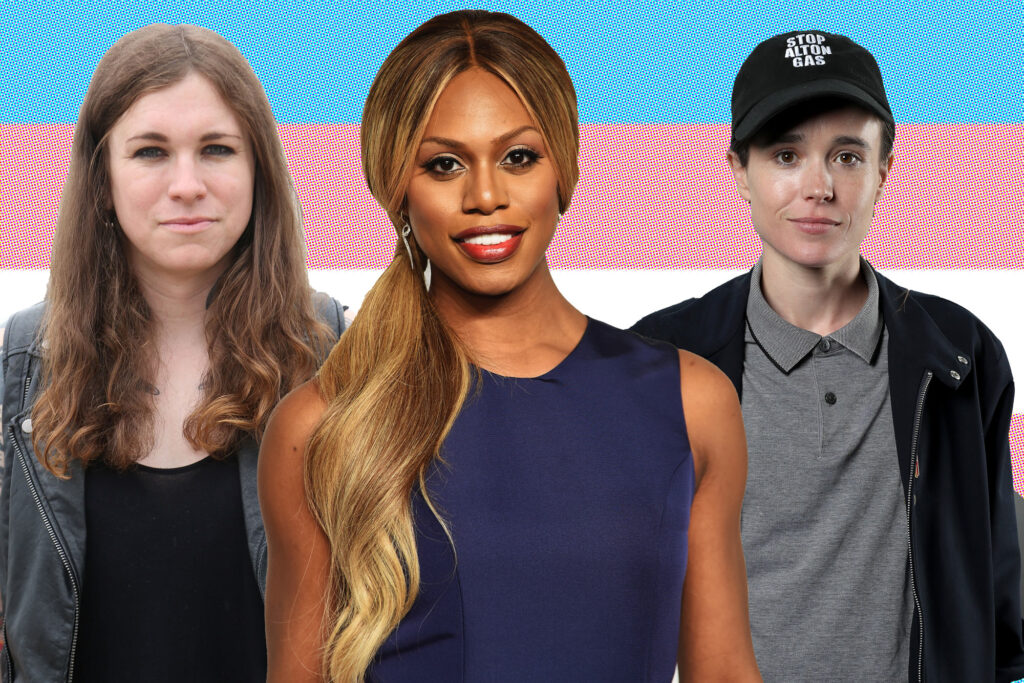
For too long, mainstream feminism has been criticized – rightly so – for its myopic focus on the experiences of white, middle-class women. The future, however, demands an intersectional approach, a recognition that gender is inextricably linked to race, class, sexuality, ability, and a myriad of other identities. Imagine a prism, light fracturing into a spectrum of vibrant colours. Intersectionality allows us to see the complex interplay of these identities, understanding how systems of oppression compound and intersect. A Black trans woman faces challenges far more acute than a white cisgender woman. Ignoring this crucial distinction renders feminist discourse incomplete, even harmful. This is not about creating a hierarchy of oppression, but about acknowledging the diverse realities of lived experience and tailoring solutions that address specific needs. Embracing intersectionality is akin to moving from a two-dimensional sketch to a fully rendered 3D model, a more nuanced and accurate representation of the human condition.
The rise of grassroots movements led by women of colour, queer and trans individuals, and disabled activists is a testament to this shift. They are not merely asking for a seat at the table; they are building their own tables, ones that reflect their values and prioritize the voices that have been historically marginalized. This decentralized, polyvocal approach to feminist activism is far more potent and resilient than any top-down, monolithic structure could ever be.
II. Deconstructing the Cult of Productivity: Reclaiming Time and Value
Late-stage capitalism thrives on the relentless pursuit of productivity, a relentless churn that disproportionately burdens women, who are still largely responsible for domestic labour and caregiving. The feminist future challenges this unsustainable model, advocating for policies that support work-life balance, such as universal childcare, paid parental leave, and flexible work arrangements. This is not about enabling laziness; it’s about recognizing that human beings are not machines, and that our value cannot be solely measured by our economic output. Reclaiming our time is a radical act of resistance against a system that seeks to commodify every aspect of our lives. Think of it as unplugging from the matrix, reclaiming our agency and autonomy.
Furthermore, feminist economics challenges the traditional metrics of GDP, which fail to account for the unpaid labour of caregiving and the environmental costs of unsustainable growth. Instead, it proposes alternative models that prioritize well-being, social justice, and ecological sustainability. This is not just about tinkering around the edges; it’s about fundamentally rethinking the purpose of economic activity, shifting from a focus on profit maximization to a focus on human flourishing.
III. The Digital Davids Versus the Goliath of Misogyny: Online Activism and Resistance
The internet, a double-edged sword, has become both a breeding ground for misogyny and a powerful tool for feminist activism. Online harassment, doxxing, and cyberstalking are rampant, particularly targeting women of colour and LGBTQ+ individuals. However, feminists are fighting back, using digital platforms to organize, educate, and amplify marginalized voices. The #MeToo movement, which started as a viral hashtag, demonstrated the power of collective action to expose and challenge sexual harassment and assault. Think of the internet as a battlefield, where feminists are wielding digital weapons to fight against the forces of patriarchy. This isn’t a polite, passive resistance; it’s a fierce, unapologetic assertion of our right to exist and thrive in the digital world.
Furthermore, feminists are using technology to develop innovative solutions to address gender-based violence and inequality. From apps that provide safe reporting mechanisms to online platforms that connect survivors with resources, technology is playing a crucial role in creating a more just and equitable world. The digital realm is not just a virtual space; it’s an extension of our reality, and feminists are determined to shape it according to our values.
IV. Reclaiming Our Bodies, Reclaiming Our Power: Reproductive Justice and Bodily Autonomy
The ongoing attacks on reproductive rights around the world are a stark reminder that bodily autonomy is not a given. The feminist future demands unwavering commitment to reproductive justice, which encompasses not only access to abortion but also access to comprehensive sexual education, affordable contraception, and quality maternal healthcare. This is not just about choice; it’s about the fundamental right to control our own bodies and make decisions about our own lives. Our bodies are not political battlegrounds; they are our own, and we will not allow the state or any other institution to dictate what we can do with them.
Furthermore, feminists are challenging the patriarchal norms that dictate how women’s bodies should look and behave. From the unrealistic beauty standards perpetuated by the media to the pressure to conform to gender stereotypes, women are constantly bombarded with messages that undermine their self-esteem and autonomy. Embracing body positivity, challenging fatphobia, and celebrating diverse expressions of gender are all crucial steps in reclaiming our bodies and reclaiming our power. Think of it as tearing down the billboards of oppression and replacing them with murals of self-love and acceptance.
V. The Unfolding of Toxic Masculinity: Redefining Manhood and Building Allies
Feminism is not just about women; it’s about dismantling the harmful structures of patriarchy that oppress everyone, including men. Toxic masculinity, characterized by aggression, emotional repression, and the objectification of women, is a major obstacle to gender equality. The feminist future requires a redefinition of manhood, one that embraces empathy, vulnerability, and respect for all. This is not about emasculating men; it’s about liberating them from the rigid constraints of traditional gender roles. Think of it as dismantling a cage, freeing men to express the full range of their emotions and to build authentic relationships with others.
Engaging men as allies is crucial to achieving a feminist future. This requires creating spaces where men can learn about feminism, challenge their own biases, and actively work to dismantle patriarchal structures. This is not about asking men to be saviors; it’s about inviting them to join us in the fight for a more just and equitable world. The future is not female only; it’s collaborative, it’s intersectional, and it requires the active participation of everyone who believes in equality.
VI. Beyond Representation: Systemic Change in Politics and Power Structures
While increasing the number of women in positions of power is important, representation alone is not enough. The feminist future demands systemic change in political and power structures to address the root causes of gender inequality. This includes reforming electoral systems, challenging campaign finance laws, and promoting policies that support women’s participation in politics. It’s about more than just “leaning in”; it’s about changing the rules of the game.
Furthermore, feminists are challenging the traditional notions of leadership, advocating for more collaborative and inclusive leadership styles. This means prioritizing empathy, listening, and consensus-building, rather than dominance and control. It’s about creating leadership models that empower others and prioritize the collective good. The feminist future is not about replicating the patriarchal power structures; it’s about creating something entirely new.
The feminist future is not a distant dream; it’s a work in progress. It requires constant vigilance, unwavering commitment, and a willingness to challenge the status quo. It demands that we listen to marginalized voices, embrace intersectionality, and refuse to compromise on our values. It is a future where everyone, regardless of gender, can thrive and reach their full potential. The winds are changing; are you ready to sail?







Leave a Comment