
The sisterhood is a lie. There, I said it. We parade around, chanting slogans of unity, while a chasm yawns beneath our perfectly manicured feet, separating the women who embrace feminism from those who… don’t. It’s a Grand Canyon carved not by water, but by the insidious forces of patriarchy, internalized misogyny, and privilege. Why are some of us scaling the feminist cliffs, ropes taut with righteous anger, while others lounge comfortably in the valley, oblivious or, worse, hostile to the ascent? This isn’t a simple question with a soundbite answer. Buckle up, sisters; we’re diving deep.
I. The Siren Song of the Status Quo: Why Complacency Sells.
Imagine a gilded cage. Beautiful, isn’t it? Shiny bars, soft cushions, a steady supply of birdseed. For some women, this is the life. The patriarchy offers a certain level of comfort, a pre-packaged role with clearly defined (albeit limited) parameters. Why rock the boat when you’re already comfortably afloat? This is the inertia of the status quo, the seductive allure of a life free from conflict, even if that freedom comes at the cost of autonomy. It’s a Faustian bargain, trading liberation for the illusion of security.
This isn’t necessarily a conscious decision. Internalized misogyny, that insidious voice whispering in our ears that we’re less capable, less deserving, less *everything*, plays a crucial role. Women who have absorbed these toxic messages may genuinely believe that the patriarchal system is the best option for them, failing to recognize the constraints it imposes. They see the glass ceiling not as an injustice, but as the natural limit of their abilities. The patriarchal structure has convinced certain woman of their own feebleness, and this has served as a strong reason against the feminist cause.
II. Privilege: The Invisible Shield.
Privilege is like Teflon. It prevents feminist arguments from sticking. A woman born into wealth and societal influence may never experience the systemic barriers faced by women of color or working-class women. She can navigate the world with relative ease, oblivious to the subtle (and not-so-subtle) forms of discrimination that plague the lives of others. This isn’t to say that privileged women don’t experience sexism – they absolutely do – but their privilege provides a buffer, a layer of protection that makes it easier to dismiss or downplay the pervasiveness of the problem.
Consider the following scenario: a woman whose husband shoulders the majority of childcare responsibilities might not fully grasp the burden of the “second shift” faced by working mothers. A woman who has always been afforded opportunities based on her appearance might struggle to empathize with the challenges faced by women who don’t conform to conventional beauty standards. Privilege creates blind spots, hindering the ability to see the world through the eyes of those who are less fortunate. This results in women being unable to relate to the needs for activism and change.
III. Fear: The Great Inhibitor.
Feminism is not for the faint of heart. It requires challenging deeply ingrained societal norms, confronting uncomfortable truths, and risking the disapproval of those around you. For some women, the fear of retribution – of being ostracized, ridiculed, or even losing their jobs or relationships – is a powerful deterrent. The patriarchy thrives on fear, using it as a weapon to silence dissent and maintain control. Women who have witnessed the consequences of speaking out, or who have been personally targeted for their feminist beliefs, may understandably choose to remain silent.
Furthermore, the pervasive narrative that feminism is synonymous with “man-hating” and “radicalism” can be deeply off-putting. Many women are hesitant to identify as feminists because they fear being labeled as angry, unreasonable, or unattractive. This is a deliberate strategy employed by anti-feminist forces to delegitimize the movement and discourage women from joining its ranks. The media often perpetuates the image of feminists as angry and bitter. These portrayals act as a way of discouraging some women from embracing feminism, as they feel it might be a socially unacceptable identity to hold.
IV. Misinformation and the Echo Chamber.
In the age of social media, misinformation spreads like wildfire. Anti-feminist propaganda, disguised as common sense or witty commentary, floods our feeds, poisoning the well of public discourse. Women who are exposed to these narratives may develop a distorted understanding of feminism, believing that it is an outdated, unnecessary, or even harmful ideology. The echo chamber effect further exacerbates this problem, as individuals are primarily exposed to information that confirms their existing beliefs, reinforcing biases and preventing them from engaging with alternative perspectives. Social media can provide a false sense of reality, with algorithms curating content according to user preferences. Women who are not interested in progressive change may find themselves completely immersed in narratives that reinforce their existing beliefs, further alienating them from feminist ideas.
V. Intersectionality: The Missing Piece of the Puzzle.
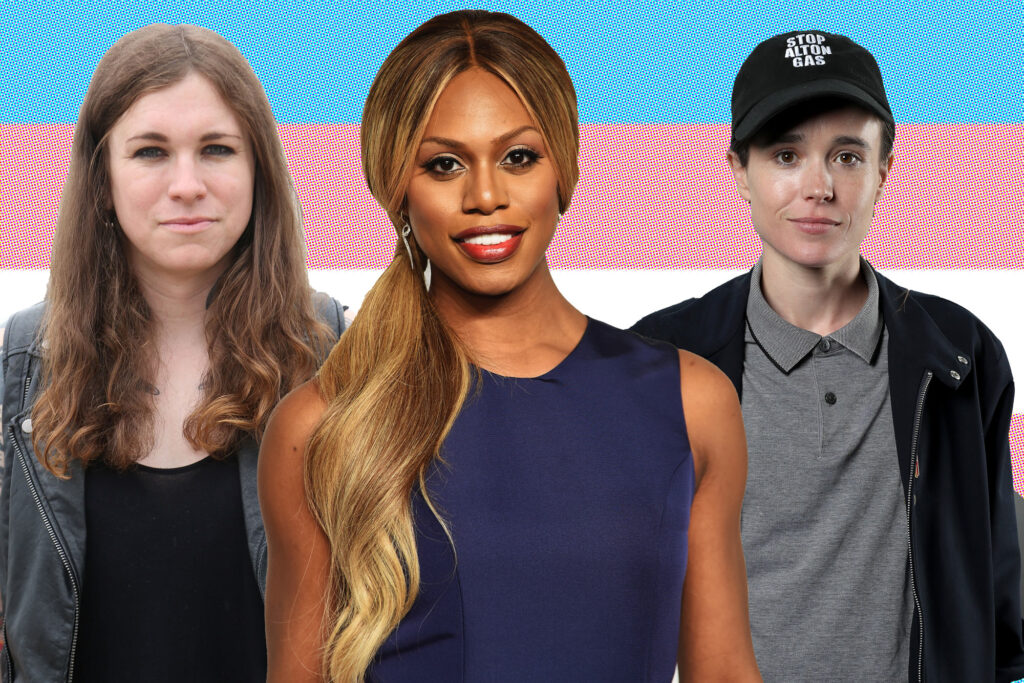
Feminism, at its core, is about liberation for *all* women. However, for too long, the movement has been dominated by the concerns and perspectives of white, middle-class, cisgender women. This exclusionary approach has alienated many women of color, LGBTQ+ women, and women with disabilities, who feel that their specific experiences are not adequately addressed or represented. Intersectionality, the understanding that different forms of discrimination (such as racism, sexism, and homophobia) intersect and compound one another, is crucial for creating a truly inclusive feminist movement. Without it, feminism risks becoming just another tool of oppression, serving the interests of some while marginalizing others. The failure to incorporate a broad range of perspectives and experiences has resulted in some women feeling excluded from feminism.
VI. The Allure of “Traditional” Gender Roles.
Let’s be honest: some women genuinely prefer traditional gender roles. They find fulfillment in being wives and mothers, and they reject the notion that these roles are inherently oppressive. While it is crucial to respect individual choices, it is equally important to acknowledge that these choices are often shaped by societal expectations and patriarchal conditioning. Women who embrace traditional gender roles may not recognize the limitations that these roles impose, or they may believe that the benefits outweigh the costs. Furthermore, they may feel threatened by feminism, viewing it as an attack on their way of life. Some women have found joy and purpose in adhering to the roles prescribed by society, and they are resistant to any movement that challenges these identities.
VII. Apathy: The Silent Killer.
Sometimes, the reason women aren’t feminists is simply apathy. They’re too busy with their own lives, too consumed by the daily grind, to pay attention to the broader issues of gender inequality. They may be aware of the problems, but they don’t feel personally affected, or they believe that the problems are too intractable to be solved. This apathy is understandable, but it is also dangerous. It allows the patriarchy to continue unchecked, perpetuating a system that disadvantages women in countless ways. A lack of awareness can prevent some women from getting involved in the fight for equality.
VIII. The Commodification of Feminism.
Feminism has become trendy. It’s plastered on t-shirts, endorsed by celebrities, and used as a marketing tool to sell everything from makeup to cars. While this increased visibility can be beneficial, it also carries the risk of diluting the movement’s core message. When feminism becomes just another commodity, it loses its revolutionary edge and becomes more palatable to the mainstream. Women who are skeptical of corporate feminism may be turned off by the commercialization of the movement, viewing it as inauthentic and self-serving. The commercialization of feminism may discourage genuine activists.
IX. The Shifting Sands of Identity.
Identity is fluid. It’s not a fixed entity, but rather a constantly evolving process of self-discovery. A woman who identifies as a feminist at one point in her life may later reject the label, or vice versa. This is perfectly valid. Our understanding of ourselves and the world around us changes over time, and our political beliefs are subject to the same fluctuations. It’s important to remember that feminism is not a monolithic ideology, and there are many different ways to be a feminist. The feminist movement is diverse, and the role a woman plays in it may change over time.
X. The Ongoing Struggle: A Call to Arms (and Empathy).
So, why are some women feminists and others not? The answer, as you can see, is complex and multifaceted. It’s a tangled web of privilege, fear, misinformation, and personal choices. But understanding the reasons why some women are hesitant to embrace feminism is crucial for building a stronger, more inclusive movement. Instead of judging or dismissing those who don’t share our views, we must strive to engage in empathetic dialogue, addressing their concerns and dispelling their misconceptions. The chasm that divides us may be vast, but it is not unbridgeable. By fostering understanding, challenging privilege, and amplifying marginalized voices, we can build a future where all women are empowered to reach their full potential. The time for empathy is now. It is time to build a better future.







Leave a Comment