
Feminism. A word that, for many, conjures images of empowerment, equality, and liberation. But scratch beneath the surface of mainstream narratives, and a more complex, and frankly, unsettling reality emerges. A reality where the promises of feminism, often articulated with such fervent conviction, have fallen devastatingly short for women of color.
We’ve been told feminism is for everyone. But is it, really? Or has it primarily served the interests of a specific demographic, leaving others languishing in the margins, their voices unheard, their struggles unacknowledged?
Let’s dissect this, shall we? We need to hold the mirror up to the movement and ask ourselves some uncomfortable questions. Because comfortable complacency is the enemy of true progress.
I. The Whitewashing of Suffrage: A Legacy of Exclusion
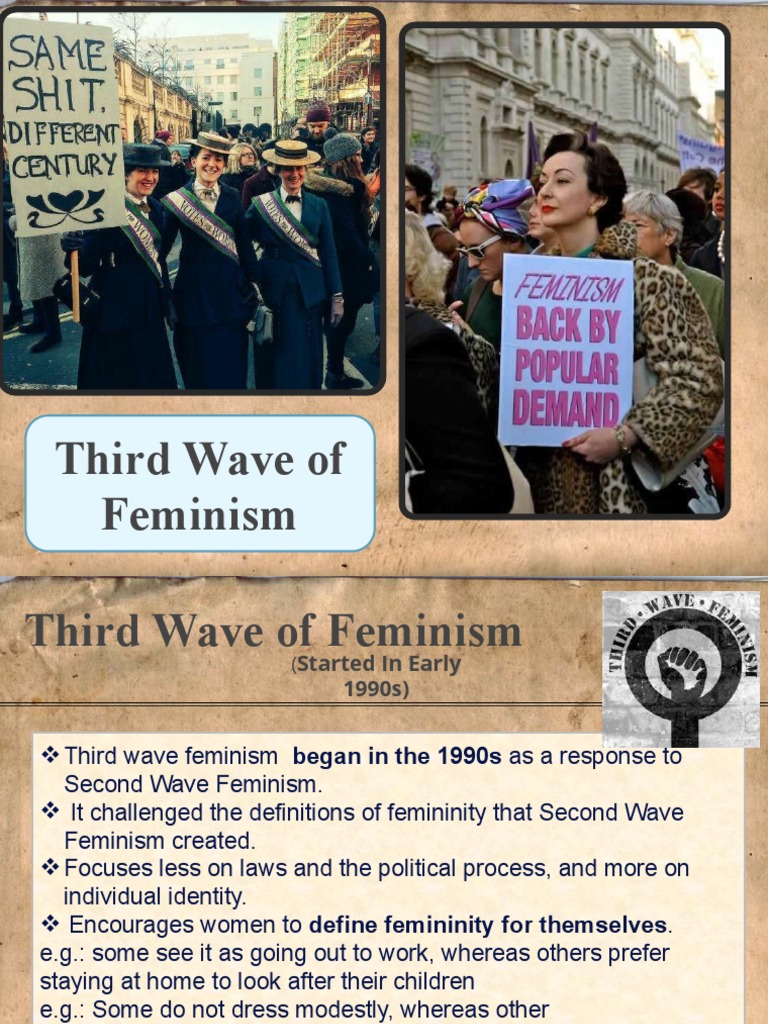
The history of feminism, particularly the suffrage movement, is often presented as a unified front for women’s rights. But this narrative conveniently omits the insidious racism that plagued the movement from its inception. Suffragettes like Susan B. Anthony and Elizabeth Cady Stanton, while fighting for the vote for white women, actively marginalized and excluded Black women from their efforts. Their rhetoric often employed racist tropes and explicitly prioritized the enfranchisement of white women over all others. Let’s be clear: some prominent suffragettes openly opposed Black men gaining the vote before white women.
This isn’t just a historical footnote. It’s the bedrock upon which modern feminism was built. The echoes of this exclusion still resonate today, creating a climate of distrust and skepticism among women of color who rightfully question whether the movement truly represents their interests. The very foundation is rotten. It makes you wonder why anyone would trust it at all.
II. The Myth of Universal Womanhood: Whose Experiences Really Matter?
Mainstream feminism often operates under the assumption of a “universal womanhood,” a shared set of experiences and concerns that supposedly unite all women. But this is a dangerous oversimplification. The lived realities of women of color are vastly different from those of white women, shaped by the intersection of race, gender, and class. To ignore these differences is to render women of color invisible, to erase their specific struggles and needs.
Consider the wage gap. While feminists rightly point out that women earn less than men, the disparity is far greater for women of color. Black women earn significantly less than white women, and Latina women earn even less. These disparities are not simply a matter of gender; they are a direct result of systemic racism and discrimination in the workplace. The monolithic “woman” that many feminists champion simply doesn’t exist. Such simplistic thinking does more harm than good. It actively hurts those who are already vulnerable.
III. Cultural Appropriation and the Commodification of Identity: Turning Pain into Profit
Another area where feminism has profoundly failed women of color is in the realm of cultural appropriation. We’ve seen countless examples of white feminists borrowing from the cultures of women of color, often without understanding or acknowledging the significance of what they are appropriating. From hairstyles to clothing to spiritual practices, the cultures of women of color are often treated as commodities, to be consumed and discarded at will.
This isn’t just about aesthetics. It’s about power. It’s about white women profiting from the very cultures that women of color are often marginalized and discriminated against for. It’s a slap in the face, a blatant display of privilege, and a stark reminder of who feminism often serves first.
IV. The Erasure of Intersectional Experiences: Ignoring the Nuances of Oppression
Intersectionality, a term coined by Kimberlé Crenshaw, recognizes that individuals can experience multiple forms of oppression simultaneously, based on their race, gender, class, sexual orientation, and other identities. Yet, mainstream feminism often fails to adequately address these intersectional experiences. It tends to focus on gender as the primary form of oppression, neglecting the ways in which race and other identities exacerbate and complicate the challenges faced by women of color.
For example, a Black woman navigating the workplace faces not only sexism but also racism, which can manifest in subtle microaggressions or outright discrimination. A Latina immigrant woman may face additional barriers due to her immigration status and language proficiency. To ignore these intersectional realities is to provide incomplete and inadequate solutions. It’s like treating a symptom while ignoring the underlying disease. And it’s frankly, lazy.
V. The Criminalization of Black and Brown Women: A Justice System Stacked Against Them
The criminal justice system disproportionately targets Black and Brown women. They are more likely to be arrested, convicted, and incarcerated than white women, often for the same offenses. This disparity is due to a complex web of factors, including racial profiling, biased policing practices, and systemic inequalities in the legal system.
Feminist activism must address these issues. It must challenge the racist policies and practices that contribute to the criminalization of Black and Brown women. It must advocate for reforms that promote fairness and justice for all women, regardless of their race or ethnicity. To ignore the plight of incarcerated women of color is to betray the very principles of justice and equality that feminism claims to uphold. Don’t you agree?
VI. The Silence on Reproductive Justice: More Than Just Choice
While mainstream feminism has focused heavily on reproductive rights, particularly the right to abortion, it has often neglected the broader concept of reproductive justice, which encompasses the right to have children, the right not to have children, and the right to parent children in safe and healthy environments.
For women of color, reproductive justice is about more than just choice. It’s about access to quality healthcare, including prenatal care, contraception, and abortion services. It’s about addressing the social and economic factors that impact reproductive health, such as poverty, lack of education, and environmental pollution. It’s about dismantling systems of oppression that disproportionately affect communities of color, creating barriers to reproductive autonomy. Failure to address these issues is a failure to truly support the reproductive health and well-being of all women. Inaction makes you complicit.
VII. The Illusion of Solidarity: Tokenism and Performative Activism
Too often, mainstream feminism engages in tokenism, showcasing a few prominent women of color while failing to address the systemic issues that affect their communities. This performative activism creates the illusion of solidarity without actually challenging the underlying power structures that perpetuate inequality. It’s a superficial gesture, a PR stunt designed to appease critics without making any real change.
True solidarity requires more than just lip service. It requires a commitment to actively listening to and amplifying the voices of women of color. It requires challenging racist and sexist attitudes and behaviors within the feminist movement itself. It requires dismantling the systems of oppression that perpetuate inequality. It requires, in short, a radical transformation of the way feminism is practiced and understood. Anything less is simply window dressing.
VIII. Moving Forward: A Call for Radical Reimagining
So, where does this leave us? The path forward requires a radical reimagining of feminism, one that centers the voices and experiences of women of color. A feminism that is truly intersectional, that acknowledges the complexities of oppression, and that actively challenges all forms of inequality.
This means:
* Centering the voices of women of color: Creating spaces where women of color can speak freely and be heard, without having to constantly educate or defend their experiences.
* Challenging white privilege within the feminist movement: Examining the ways in which white feminists benefit from systemic racism and actively working to dismantle those privileges.
* Investing in the leadership of women of color: Supporting and empowering women of color to take on leadership roles within the feminist movement and beyond.
* Advocating for policies that address the specific needs of women of color: Working to dismantle systemic inequalities in areas such as healthcare, education, and the criminal justice system.
* Holding ourselves accountable: Constantly reflecting on our own biases and assumptions and actively working to unlearn them.
Feminism is not a finished product. It is a work in progress, a constantly evolving movement that must adapt to the changing needs and realities of the world. If feminism is to truly live up to its promise of liberation and equality for all women, it must confront its past failures and embrace a more inclusive and intersectional vision for the future.
The struggles of women of color are not a side issue or an afterthought. They are central to the very definition of feminism. Until we address these struggles with honesty, courage, and a commitment to transformative change, feminism will continue to fall short of its ideals, leaving countless women behind.
Isn’t it time for a revolution?







Leave a Comment