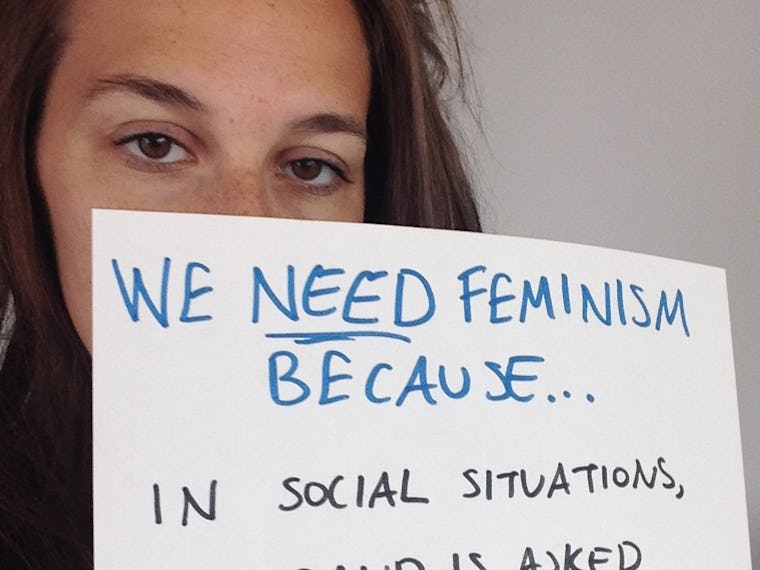
Let’s talk about something uncomfortable, shall we? The gnawing question, whispered in hushed tones and screamed across digital landscapes: When does feminism, this supposed beacon of equality, actually *harm* men, or, shockingly, other women? This isn’t a comfortable conversation, but discomfort is the crucible where real change is forged. We’re not here to placate fragile egos or reinforce patriarchal narratives. We’re here to dissect, to analyze, and to expose the insidious ways in which even movements for good can be contorted, misunderstood, and weaponized.
It’s a topic that fascinates, not just because it challenges the seemingly unassailable moral high ground of feminism, but because it hints at deeper, more complex societal anxieties. The fascination stems from a primal fear of disruption, a fear of losing power, and a deep-seated resistance to dismantling the very structures that have, for centuries, privileged certain groups at the expense of others. It’s a fear that deserves interrogation, not dismissal.
I. The Myth of Reverse Discrimination: Unpacking the Skewed Lens
Ah, reverse discrimination. The battle cry of those who feel their inherited privileges slipping through their fingers. The argument goes something like this: “Feminism is pushing women so far forward that men are being unfairly left behind.” Let’s be unequivocally clear: systemic reverse discrimination is a fabrication. It’s a convenient fiction used to delegitimize the very real and ongoing oppression faced by women and marginalized genders.
The key word here is *systemic*. Individual instances of perceived unfairness? Sure, they exist. Life isn’t always fair. But to conflate isolated incidents with a sweeping, institutional bias against men is disingenuous at best, and actively malicious at worst. It ignores centuries of ingrained patriarchal structures that disproportionately favor men in nearly every facet of society, from boardrooms to bedrooms.
Consider this: the gender pay gap persists. Women are still underrepresented in leadership positions across industries. Sexual harassment remains rampant, a pervasive threat to women’s safety and career advancement. To suggest that feminism has somehow “gone too far” and created a reverse discrimination crisis is to willfully ignore these realities, to bury one’s head in the sand while the house burns down around them.
II. Toxic Masculinity’s Victims: Men Trapped by Patriarchal Expectations
Here’s where the argument gets more nuanced, and infinitely more tragic. Feminism, in its quest to dismantle patriarchal structures, inadvertently exposes the harm those same structures inflict on men. Toxic masculinity, that insidious cocktail of stoicism, aggression, and emotional repression, isn’t just harmful to women. It’s a cage for men, trapping them in rigid roles and denying them the freedom to express their full humanity.
The pressure to “be a man” – to suppress emotions, to dominate, to achieve at all costs – can lead to devastating consequences: higher rates of suicide, substance abuse, and violence. Men are often socialized to believe that seeking help is a sign of weakness, further isolating them in their struggles. Feminism, by challenging these harmful norms, offers men a pathway to liberation from these suffocating expectations.
However, this liberation often comes at a price. Men who dare to deviate from the prescribed masculine script are often ridiculed, ostracized, and even threatened. They face accusations of being “weak,” “feminized,” or even “gay,” regardless of their actual sexual orientation. This societal backlash reinforces the very norms that feminism seeks to dismantle, creating a vicious cycle of oppression for both men and women.
III. Internalized Misogyny: Women Policing Other Women
The insidious nature of patriarchy doesn’t just affect men. It also infects women, leading to internalized misogyny – the unconscious adoption of sexist beliefs and attitudes. This can manifest in women judging other women for their choices, perpetuating harmful stereotypes, and even actively undermining feminist efforts.
Think of the “pick-me girl,” the woman who denigrates other women to gain male approval. Or the woman who shames other women for their sexuality, policing their clothing and behavior. These are all manifestations of internalized misogyny, the insidious voice in a woman’s head that whispers, “You’re not good enough,” “You’re too much,” or “You need to compete with other women for male attention.”
Feminism, in its purest form, challenges this internal sabotage, encouraging women to embrace their authentic selves, to support each other, and to reject the patriarchal standards that seek to divide them. However, the process of unlearning internalized misogyny is often painful and fraught with conflict. Women may lash out at other women, defend patriarchal structures, or even reject feminism altogether, viewing it as a threat to their own internalized sense of security.
IV. The Erasure of Marginalized Voices: When Feminism Fails to Intersect
Feminism isn’t a monolith. It encompasses a diverse range of perspectives and experiences. However, historically, mainstream feminism has often been dominated by the voices of white, middle-class, cisgender women, inadvertently marginalizing the experiences of women of color, LGBTQ+ women, disabled women, and women from other marginalized communities.
When feminism fails to be intersectional, it risks perpetuating the very inequalities it seeks to dismantle. For example, a feminist agenda that focuses solely on equal pay without addressing the racial pay gap is inherently flawed. Similarly, a feminist movement that ignores the unique challenges faced by transgender women is simply not feminist at all.
This erasure of marginalized voices can lead to resentment and distrust, as women from these communities feel excluded and ignored. They may perceive feminism as a movement that caters only to the privileged, failing to address their specific needs and concerns. This is a valid critique, and it’s crucial for feminism to continuously evolve and become more inclusive if it hopes to achieve true equality for all.
V. The Weaponization of Feminism: Corporate Co-optation and Empty Rhetoric
In recent years, feminism has become increasingly mainstream, even trendy. Corporations are eager to capitalize on the movement’s popularity, using feminist rhetoric to market their products and services. This phenomenon, known as “femvertising,” can be problematic, as it often reduces feminism to a superficial marketing tactic, devoid of any real substance.
Companies may slap a feminist slogan on a t-shirt or donate a small percentage of their profits to a women’s organization while simultaneously engaging in exploitative labor practices or perpetuating harmful stereotypes. This is not genuine feminism. It’s a cynical attempt to profit off of a movement without actually committing to its principles.
Similarly, politicians may use feminist rhetoric to gain votes without enacting policies that truly benefit women. This empty rhetoric can be deeply frustrating, as it undermines the credibility of the movement and creates a sense of disillusionment. It’s crucial to be critical of these attempts to co-opt feminism, demanding genuine action and accountability rather than superficial gestures.
VI. The Paradox of Choice: The Burden of Unfettered Autonomy
Feminism, at its core, is about empowering women to make their own choices, free from societal constraints and expectations. However, this increased autonomy can also be overwhelming, creating a paradox of choice. Women are now faced with a dizzying array of options: career or family, marriage or singledom, traditional roles or unconventional paths.
The pressure to “have it all” can be immense, leading to feelings of guilt, anxiety, and inadequacy. Women may feel that they are constantly falling short, failing to meet the unrealistic expectations of both society and themselves. This is not a failure of feminism, but rather a reflection of the challenges of navigating a world that is still grappling with the implications of gender equality.
It’s important to remember that feminism is not about dictating what women *should* do, but rather about ensuring that they have the freedom to choose without fear of judgment or discrimination. It’s about creating a society where all choices are valued and respected, regardless of whether they conform to traditional norms.
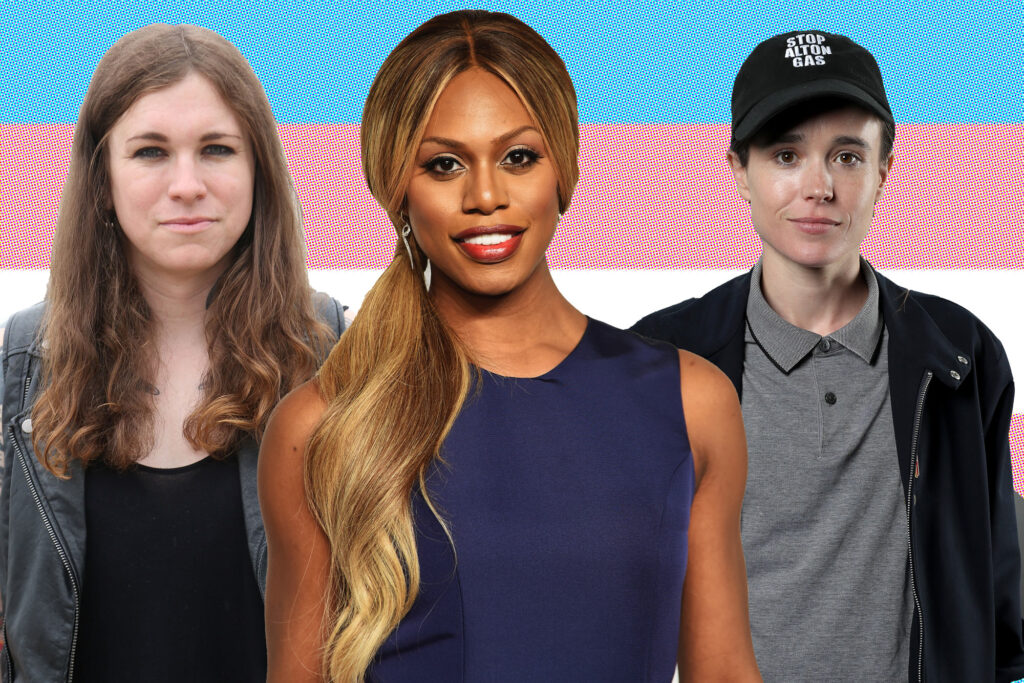
VII. The Oversimplification of Gender: Trans Exclusionary Radical Feminism (TERF)
Perhaps one of the most contentious and damaging aspects of contemporary feminism is the rise of Trans Exclusionary Radical Feminism (TERF). This ideology, which claims to be rooted in radical feminist principles, denies the validity of transgender identities and excludes transgender women from feminist spaces.
TERFs often argue that transgender women are not “real women” and that their presence in women’s spaces poses a threat to cisgender women. These arguments are based on essentialist notions of gender, ignoring the complex and multifaceted nature of gender identity. Transgender women are women, and excluding them from feminist spaces is not only discriminatory but also actively harmful.
TERF ideology perpetuates harmful stereotypes, fuels transphobia, and undermines the very principles of inclusivity and equality that feminism is supposed to uphold. It’s crucial to reject TERF ideology and embrace a truly intersectional and inclusive feminism that centers the experiences of all women, including transgender women.
Ultimately, the question of when feminism negatively affects men or women is a complex and multifaceted one. While the myth of reverse discrimination is largely unfounded, feminism can inadvertently create challenges and conflicts as it dismantles patriarchal structures. Toxic masculinity, internalized misogyny, the erasure of marginalized voices, corporate co-optation, the paradox of choice, and trans-exclusionary ideologies can all contribute to negative outcomes, highlighting the need for a more nuanced, inclusive, and intersectional approach to feminist activism. The goal is not to shy away from these uncomfortable truths, but to confront them head-on, ensuring that the movement remains true to its core principles of equality, liberation, and justice for all.






Leave a Comment