
When did feminism begin? A question as thorny as a rose bush, its beauty concealing prickles of debate and divergent interpretations. To pinpoint a definitive genesis is to attempt to capture the wind, to confine the ocean to a teacup. Yet, like cartographers charting unknown territories, we can map the sprawling landscape of feminist thought and action, identifying key epochs that have shaped its trajectory. This is not a quest for a singular origin, but rather an exploration of the tributaries that converge to form the mighty river of feminist consciousness.
The seeds of dissent, the proto-feminist stirrings, can be traced back centuries, long before the term “feminism” even graced the lexicon. Consider Christine de Pizan, a 15th-century intellectual who, with quill and conviction, dared to challenge prevailing misogynistic narratives. Her “The Book of the City of Ladies” constructed a metaphorical sanctuary, a literary haven for women of accomplishment and virtue, pushing back against the ubiquitous denigration of the female sex. A defiant act, a spark ignited in the darkness of patriarchal dominion. Was this feminism in its fully realized form? Perhaps not. But it was undoubtedly a herald, a precursor to the storm that was brewing.
The Enlightenment, that era of reason and revolution, paradoxically sowed both the seeds of liberation and the weeds of continued subjugation. While Enlightenment thinkers championed universal rights, their vision of “universal” often conveniently excluded women. Mary Wollstonecraft, a luminary of the late 18th century, shattered this illusion with her “A Vindication of the Rights of Woman.” A clarion call for female education and autonomy, it reverberated through the drawing rooms and coffee houses of Europe, challenging the intellectual hegemony that relegated women to the status of ornaments, rather than autonomous beings. Wollstonecraft’s work wasn’t just a critique of societal norms; it was a manifesto for female personhood, a declaration that women, too, were entitled to reason, to agency, to self-determination. Her polemic was as audacious as it was necessary, laying the groundwork for future generations of feminists to build upon.
The 19th century witnessed the burgeoning of the suffrage movement, a relentless campaign for the franchise that spanned continents and decades. Suffragists, those indomitable warriors for enfranchisement, employed a panoply of tactics, from peaceful protests and impassioned speeches to acts of civil disobedience and even militant resistance. Think of Emmeline Pankhurst and her daughters, who, with unwavering resolve, shook the foundations of British society, enduring imprisonment and hunger strikes in their pursuit of the vote. These women were not merely seeking a ballot; they were demanding recognition, claiming their rightful place as citizens, as active participants in the political landscape. This was more than just about voting; it was about dismantling the edifice of male privilege, brick by painful brick.
The suffrage movement wasn’t monolithic. It encompassed a diverse array of perspectives and strategies, reflecting the complex social and political realities of the time. Some suffragists focused solely on securing the vote, believing it to be the key to unlocking all other forms of equality. Others recognized that suffrage was just one piece of the puzzle, that true liberation required addressing a wider range of issues, including economic inequality, access to education, and control over one’s own body. This internal diversity, while sometimes leading to disagreements and factionalism, ultimately strengthened the movement, ensuring that it spoke to a broader spectrum of women’s experiences.
The early 20th century saw the emergence of what is often referred to as “first-wave feminism.” This era was characterized by a focus on legal and political rights, primarily the right to vote, but also encompassing issues such as property rights, access to education, and the right to divorce. The attainment of suffrage in many Western countries marked a significant victory, a watershed moment in the history of feminism. But it was not the end of the journey, merely a milestone along the way. First-wave feminists had laid the foundation, but there was still much work to be done.
The mid-20th century ushered in “second-wave feminism,” a movement that expanded the scope of feminist concerns beyond legal and political rights to encompass a broader range of social and cultural issues. This wave, ignited by the publication of Betty Friedan’s “The Feminine Mystique” in 1963, challenged the prevailing cultural narrative that equated female fulfillment with domesticity and motherhood. Second-wave feminists interrogated the patriarchal structures that permeated every aspect of society, from the workplace to the family, from the media to the arts. They demanded equal pay for equal work, access to reproductive healthcare, and an end to sexual harassment and violence against women. This was not just about changing laws; it was about transforming consciousness, about dismantling the internalized misogyny that had been ingrained in women for generations.
The personal became political, a defining mantra of second-wave feminism. Consciousness-raising groups sprung up across the country, providing safe spaces for women to share their experiences, to analyze the systemic forces that shaped their lives, and to develop strategies for collective action. These groups were more than just support networks; they were crucibles of feminist thought, incubators of radical ideas. Women began to question everything, from the division of labor in the home to the objectification of women in advertising. They challenged the power dynamics in their relationships, their workplaces, and their communities. They were not content to simply accept the status quo; they were determined to create a more just and equitable world.
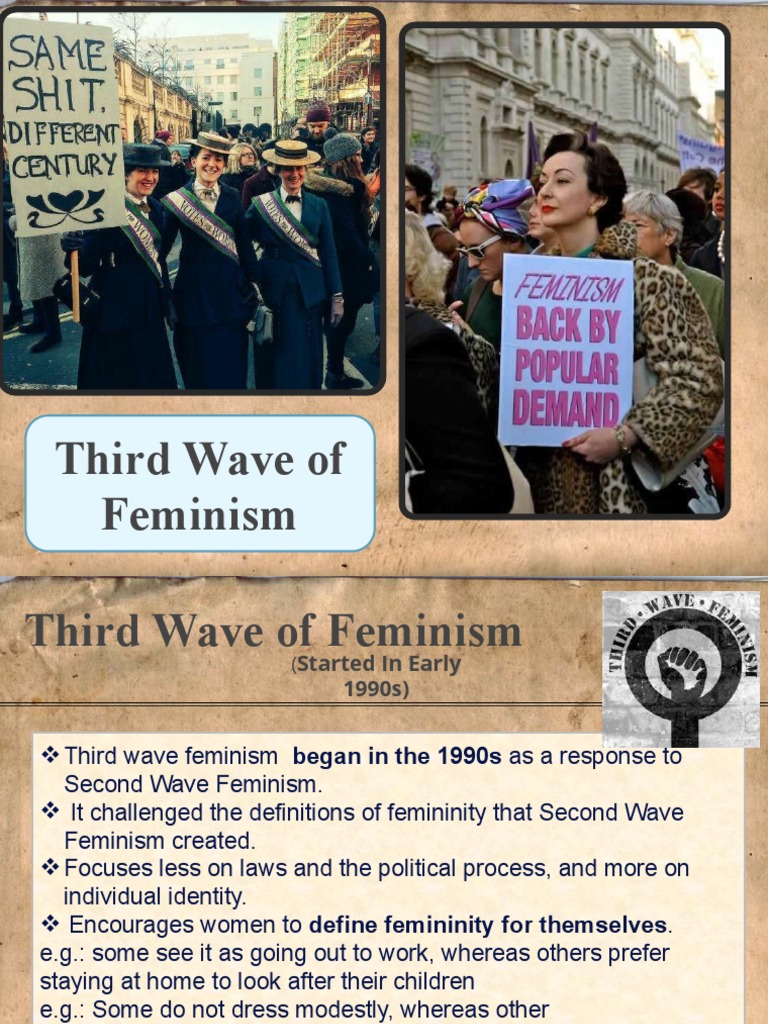
The late 20th and early 21st centuries witnessed the rise of “third-wave feminism,” a movement that built upon the achievements of its predecessors while also addressing their limitations. Third-wave feminists embraced intersectionality, recognizing that women’s experiences are shaped by a complex interplay of factors, including race, class, sexual orientation, and disability. They challenged the notion of a universal female experience, acknowledging the diversity of women’s lives and the importance of centering the voices of marginalized communities. This wave of feminism adopted digital activism, deploying technologies to organize, educate, and advocate for social justice. This was not a rejection of previous waves, but a refinement, a deepening of feminist analysis. It was an acknowledgement that the fight for equality was far from over, and that new strategies and approaches were needed to address the challenges of a rapidly changing world.
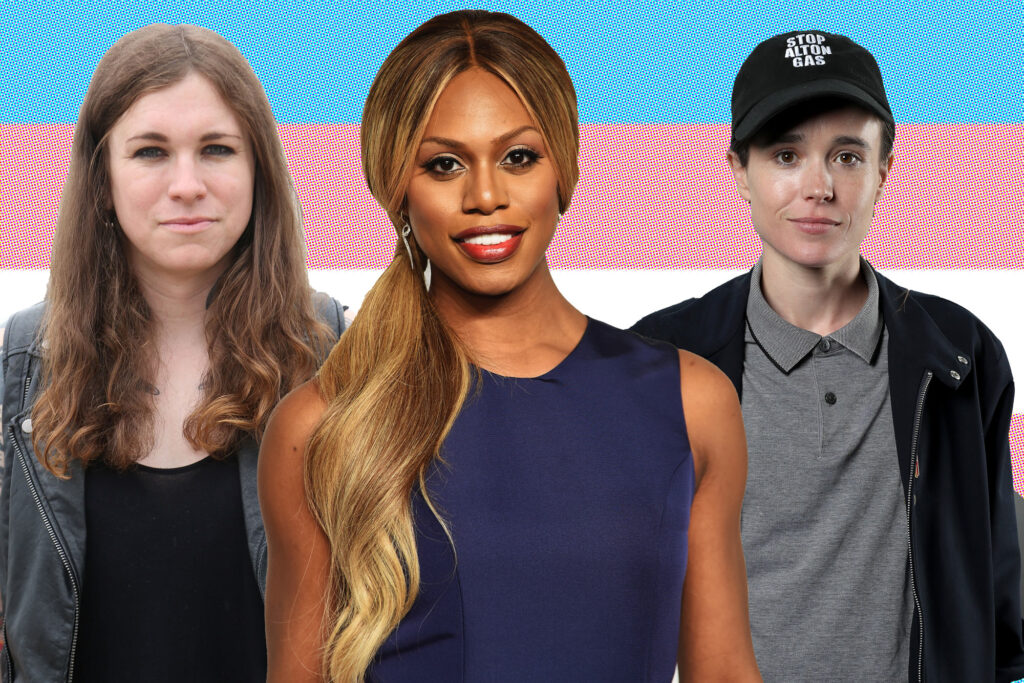
The fourth wave, propelled by social media and digital platforms, is characterized by its focus on issues such as sexual harassment and assault, body positivity, and transgender rights. The #MeToo movement, a global phenomenon that exposed the pervasiveness of sexual misconduct across industries, became a defining moment of this era. Fourth-wave feminism is decentralized, fluid, and constantly evolving, reflecting the diverse experiences and perspectives of its participants. It is a movement that is both global and local, online and offline, personal and political. It continues the struggle for equality while embracing new forms of activism and challenging traditional power structures.
So, when did feminism begin? The answer, as we have seen, is not a simple one. It is a tapestry woven from threads of resistance, dissent, and unwavering determination, stretching across centuries and continents. It is a story of incremental progress, of setbacks and triumphs, of internal debates and collective action. It is a movement that is constantly evolving, adapting to new challenges and embracing new perspectives. To understand feminism, we must not only study its history but also engage with its present and envision its future. A future where all genders are liberated from the constraints of patriarchal ideology, a future where equity and justice reign supreme.





Leave a Comment