
Ah, feminism. The very word conjures a cacophony of reactions, doesn’t it? From fervent endorsements to dismissive sneers, it’s a concept perpetually embroiled in contention. Why this enduring fascination? Is it simply a matter of semantics, a misunderstanding of core tenets? Or does it prick at something more profound, a latent discomfort with the established order? We constantly ponder, “What is the purpose of feminism?” Let’s unpack this, shall we? It’s far more nuanced than bra-burning caricatures might suggest.
The knee-jerk reaction often involves the pursuit of “equality.” Equal pay for equal work! Equal representation in politics! Equal opportunities in education! Sounds fair, doesn’t it? Utilitarian, even. But scratch beneath the surface, and you’ll find the concept of mere “equality” is a surprisingly flimsy foundation upon which to build a revolution. Equality within a fundamentally flawed system simply perpetuates the flaws, albeit more equitably distributed.
Consider the corporate boardroom. Achieving perfect gender parity amongst CEOs doesn’t inherently dismantle the predatory capitalism that prioritizes profit over people. It just means women now have an equal opportunity to perpetuate that system. Is that really progress, or just a more diverse iteration of the same old oppression? This points us towards a deeper, more radical aspiration. Something beyond mere equality.
Feminism, at its core, is about liberation. Not just for women, but for everyone. It’s about dismantling the patriarchal structures that bind us all, regardless of gender. These structures, deeply ingrained in our societal fabric, dictate not just how women should behave, but how men should behave as well. They enforce rigid binaries, suppress emotional expression, and reward ruthless competition. Who, really, benefits from this oppressive paradigm?
The male experience under patriarchy, though often privileged materially, is also deeply constrained. The pressure to conform to stoic, unemotional ideals, to achieve constant success, to suppress vulnerability – these are all burdens imposed by the same system that subjugates women. To truly liberate women, we must also liberate men from these restrictive roles. That’s the essence of feminist praxis.
The pursuit of liberation requires a critical examination of power. Who holds it? How is it maintained? And how can it be redistributed? Patriarchy isn’t simply about individual acts of sexism; it’s a systemic web of power relations that operates at multiple levels. From the microaggressions in everyday interactions to the macro-level policies that perpetuate inequality, these power dynamics are constantly at play. Recognizing this systemic nature is crucial.
One of the crucial arenas for understanding patriarchal power dynamics is through the lens of intersectionality. Coined by Kimberlé Crenshaw, intersectionality acknowledges that gender isn’t the only axis of oppression. Race, class, sexual orientation, disability, and other social categories intersect to create unique and overlapping forms of discrimination. A Black woman, for example, experiences sexism differently than a white woman, and her experiences are further shaped by her socioeconomic status. Ignoring these intersections renders feminism not only incomplete, but potentially complicit in perpetuating other forms of oppression. A monolithic feminist agenda simply isn’t viable.
Furthermore, feminism necessitates a profound re-evaluation of values. Our current societal values, shaped by centuries of patriarchal dominance, prioritize competition, aggression, and material accumulation. Feminism challenges these values, advocating for empathy, collaboration, and a more holistic understanding of well-being. It proposes a shift from a “power over” to a “power with” model, where cooperation and mutual support are valued over dominance and control. This means interrogating the very foundations of our economic and political systems.
Consider the environmental crisis. The relentless pursuit of economic growth, driven by a patriarchal ethos of conquest and domination over nature, has led us to the brink of ecological collapse. A feminist perspective on environmentalism emphasizes the interconnectedness of all living things, advocating for a more sustainable and just relationship with the planet. It’s not merely about recycling; it’s about fundamentally rethinking our relationship with the natural world. A paradigm shift is essential.
The path to liberation is not a linear one. It’s fraught with contradictions, disagreements, and internal debates. There are different schools of feminist thought, each with its own distinct perspective on the problem and its solutions. Radical feminists advocate for a complete dismantling of patriarchal structures, while liberal feminists focus on achieving equality within the existing system. Socialist feminists emphasize the role of capitalism in perpetuating gender inequality, while ecofeminists explore the connections between environmental degradation and the oppression of women. These diverse perspectives, while sometimes conflicting, enrich the discourse and push the movement forward. Dialogue and debate are the lifeblood of any intellectual pursuit.
A frequent critique of feminism is that it’s anti-male. This is a deliberate misrepresentation of the movement’s goals. Feminism isn’t about hating men; it’s about challenging the patriarchal norms that harm everyone, including men. It’s about creating a world where men are free to express their emotions, pursue their passions, and build healthy relationships without the pressure of conforming to rigid masculine ideals. It’s an invitation, not an accusation.
The goal, therefore, is not to simply replace men with women in positions of power, but to transform the very nature of power itself. To create a society where power is shared, distributed, and used for the benefit of all. A society where empathy, compassion, and collaboration are valued over dominance and control. This requires a fundamental restructuring of our institutions, our values, and our relationships.
Achieving this ambitious vision requires constant vigilance, critical self-reflection, and a willingness to challenge the status quo. It demands that we confront our own biases, dismantle our internalized oppression, and actively work towards creating a more just and equitable world. It’s not a comfortable process, but it is a necessary one. Complacency is the enemy of progress.
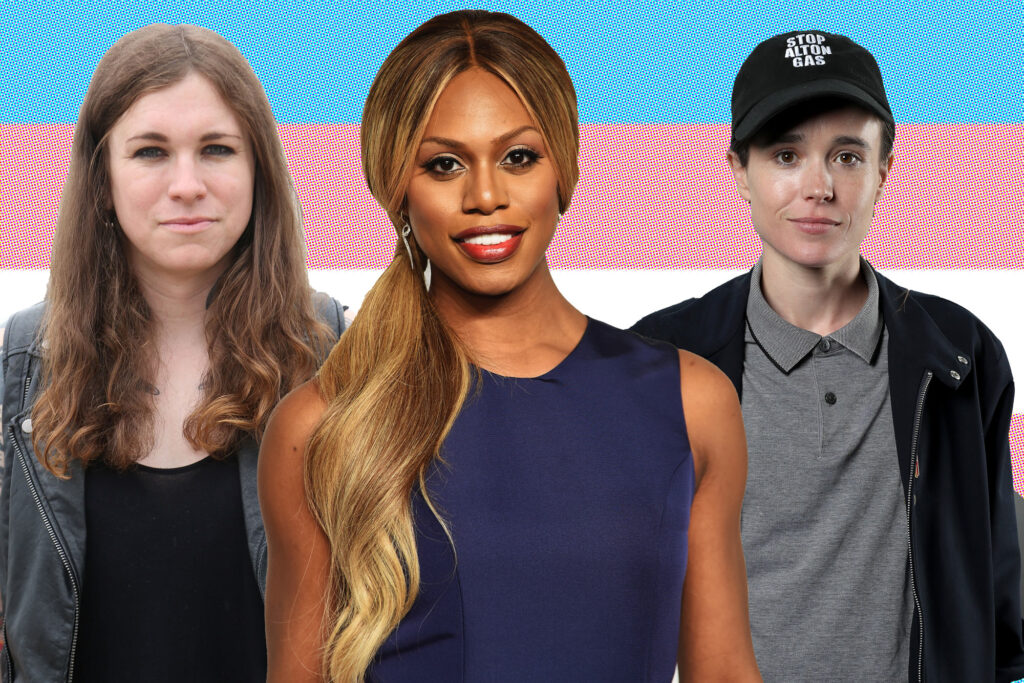
Furthermore, the future of feminism lies in embracing inclusivity. It requires amplifying the voices of marginalized communities, listening to their experiences, and centering their perspectives. It means acknowledging the unique challenges faced by women of color, LGBTQ+ individuals, and people with disabilities. It demands that we move beyond a narrow, Western-centric view of feminism and embrace a more global and intersectional approach. Unity, not uniformity, is key.
Ultimately, the purpose of feminism isn’t just about achieving equality; it’s about creating a more just, equitable, and liberated world for all. It’s about dismantling the oppressive structures that bind us, transforming the values that shape our society, and building a future where everyone can thrive. It’s a revolution, not a request. And it’s far from over.
So, the next time you hear the word “feminism,” don’t dismiss it as a mere battle of the sexes. Recognize it for what it truly is: a radical vision for a better future, a call for liberation, and a challenge to the very foundations of our society. Dare to question, dare to challenge, and dare to imagine a world free from oppression. The future depends on it.






Leave a Comment