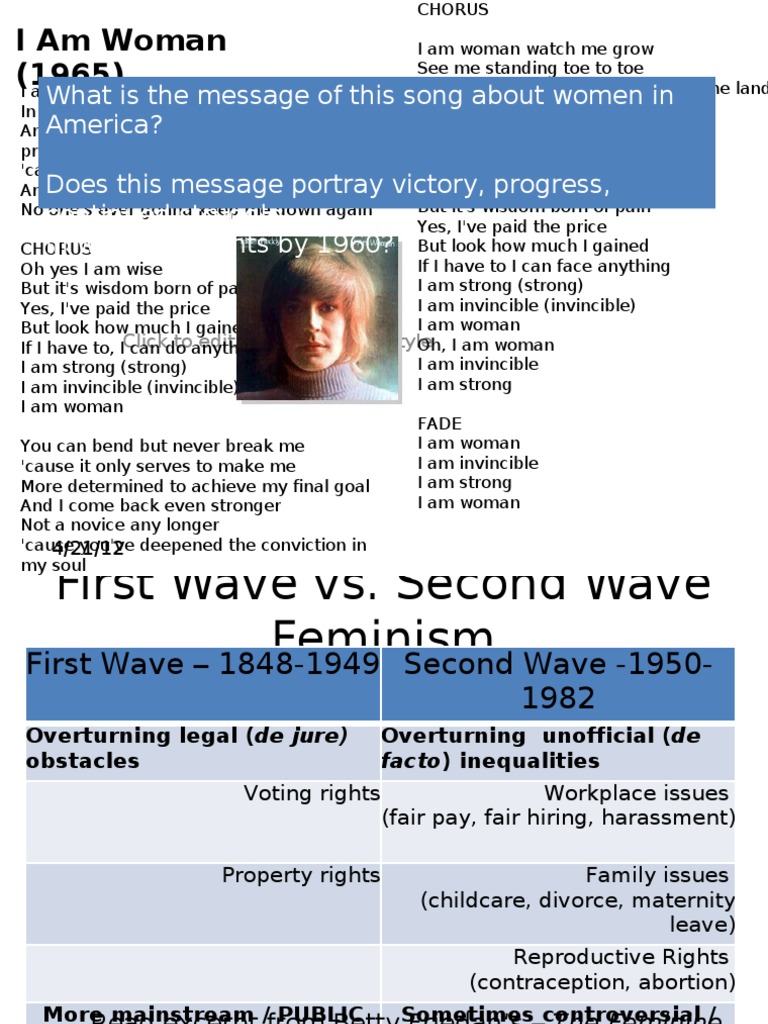
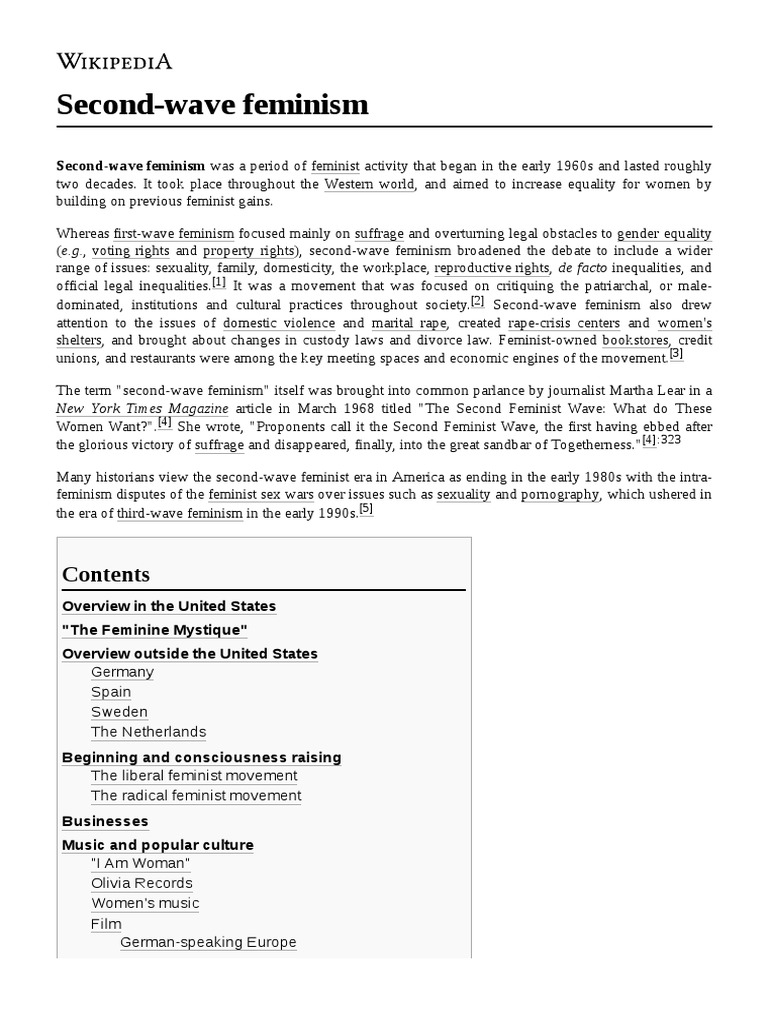
The second wave of feminism, a phoenix rising from the ashes of suffragist victories, wasn’t just about the right to vote. It was a seismic shift, a tectonic upheaval in the landscape of gendered power. It was a rebellion against the gilded cage of domesticity, a furious whisper that grew into a defiant roar.
Why does it still matter? Because the echoes of that roar reverberate through the canyons of contemporary society. Because the battles fought then are still being waged, albeit on different fronts. Because the patriarchal structures that the second wave sought to dismantle are resilient, insidious, and ever-mutating.
To understand its enduring relevance, we must first excavate the foundations of this revolutionary movement.
I. Unearthing the Subterranean Roots: Context and Catalysts
The 1950s, that idyllic facade of suburban bliss, was, for many women, a gilded cage. Post-war prosperity meant a return to traditional gender roles. Women were encouraged, nay, expected, to find fulfillment in domesticity, in being the perfect wife and mother. This societal pressure cooker, simmering beneath a veneer of smiles and perfectly manicured lawns, was ripe for explosion.
Several key catalysts ignited the second wave:
A. The Pill: The advent of reliable contraception was a game-changer. It gave women control over their reproductive destinies, decoupling sex from procreation and empowering them to pursue education and careers without the constant fear of unwanted pregnancy. This wasn’t just about freedom; it was about agency. It was about reclaiming ownership of their bodies.
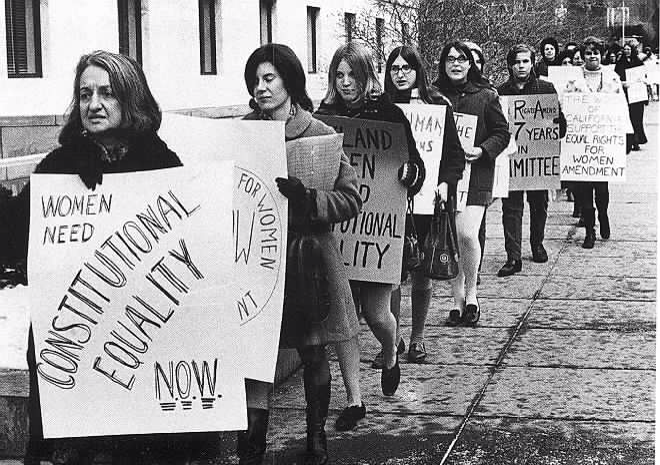
B. Betty Friedan’s “The Feminine Mystique”: This seminal work, published in 1963, gave voice to the “problem that has no name” – the pervasive discontent felt by many middle-class housewives. Friedan articulated the suffocating emptiness that gnawed at women who felt trapped in the domestic sphere, unfulfilled despite having achieved the supposed pinnacle of feminine success. It resonated with a generation of women who yearned for something more.
C. The Civil Rights Movement: The struggle for racial equality provided a powerful model for feminist activism. Women who participated in the Civil Rights Movement learned valuable organizing skills and witnessed firsthand the power of collective action. They recognized the parallels between racial oppression and gender oppression, and they applied the strategies of the Civil Rights Movement to their own fight for liberation. A new generation of female leaders emerged, galvanized to fight for change.
D. Political and Social Upheaval: The Vietnam War, the anti-war movement, and the burgeoning counterculture all contributed to a climate of questioning authority and challenging established norms. This atmosphere of rebellion created fertile ground for feminist ideas to take root and flourish. People started asking questions, and these questions were deeply unsettling to the status quo.
II. The Multifaceted Manifestations: Ideologies and Agendas
The second wave was not a monolithic movement. It encompassed a diverse range of ideologies and agendas, reflecting the complexities of women’s experiences and the multifaceted nature of gender inequality.
A. Liberal Feminism: Focused on achieving equality through legal and political reforms. Advocates sought to eliminate discriminatory laws and practices, ensuring equal access to education, employment, and political representation. This branch sought to integrate women into existing structures of power, believing that systemic change could be achieved through gradual reform.
B. Radical Feminism: Argued that patriarchy – a system of male dominance – was the root cause of women’s oppression. They advocated for a fundamental restructuring of society, challenging traditional gender roles, sexual norms, and power dynamics. Radical feminists often focused on issues such as reproductive rights, violence against women, and the deconstruction of patriarchal ideologies. They envisioned a world free from male supremacy, where women could define their own identities and live authentically.
C. Socialist Feminism: Integrated Marxist analysis with feminist theory, arguing that capitalism and patriarchy were intertwined systems of oppression. They believed that women’s liberation required both economic and social transformation, challenging the capitalist exploitation of women’s labor and the patriarchal control of their bodies and sexuality. Socialist feminists advocated for policies such as equal pay, affordable childcare, and universal healthcare.
D. Cultural Feminism: Emphasized the value of women’s unique experiences and perspectives, celebrating female culture and rejecting male-dominated norms. They sought to create spaces where women could connect with each other, explore their identities, and develop their own values and aesthetics. This movement often focused on issues such as spirituality, art, and literature.
III. Triumphs and Tribulations: The Legacy of the Second Wave
The second wave achieved significant victories, transforming the landscape of women’s lives in profound ways.
A. Legal and Political Reforms: Landmark legislation such as Title IX (prohibiting sex discrimination in education) and Roe v. Wade (legalizing abortion) significantly expanded women’s rights and opportunities. These achievements represented tangible progress towards gender equality, opening doors that had previously been closed to women.
B. Increased Women’s Participation in the Workforce: More women entered the workforce, challenging traditional gender roles and contributing to the economy. While disparities persisted, the sheer increase in female participation in various professions was undeniable. However, the fight for equal pay and recognition continues to this day.
C. Shifting Cultural Attitudes: The second wave challenged traditional notions of femininity and masculinity, paving the way for greater acceptance of diverse gender identities and expressions. It fostered a broader understanding of issues such as sexism, sexual harassment, and domestic violence. This societal shift, though still incomplete, has been a cornerstone of social progress.
D. Foundation for Future Movements: The second wave laid the groundwork for subsequent feminist movements, including third-wave feminism and intersectional feminism. It established a framework for analyzing gender inequality and provided a powerful vocabulary for articulating women’s experiences. Each generation builds upon the achievements and addresses the shortcomings of its predecessors.
However, the second wave also faced criticisms and limitations. It was often criticized for its focus on the experiences of white, middle-class women, neglecting the concerns of women of color, working-class women, and LGBTQ+ women. This lack of intersectionality highlighted the need for a more inclusive and nuanced understanding of gender inequality.
IV. The Unfinished Symphony: Why Second Wave Feminism Still Resonates
Despite its limitations, the second wave remains relevant because the battles it fought are far from over.
A. Persistent Gender Inequality: Women still face significant disparities in pay, leadership positions, and political representation. The gender pay gap persists, and women are still underrepresented in fields such as science, technology, engineering, and mathematics (STEM). The glass ceiling remains a formidable barrier for many women.
B. Reproductive Rights Under Attack: Access to abortion and other reproductive healthcare services is increasingly restricted in many parts of the world. The fight to control one’s own body continues to be a central issue in the feminist movement, with constant challenges to reproductive rights.
C. Violence Against Women: Domestic violence, sexual assault, and other forms of gender-based violence remain pervasive problems. The #MeToo movement brought these issues to the forefront, exposing the widespread nature of sexual harassment and assault and sparking a global conversation about consent and accountability.
D. The Rise of Neoliberalism and its Impact on Women: The rise of neoliberalism has exacerbated economic inequality and undermined social safety nets, disproportionately affecting women. The privatization of public services, the deregulation of labor markets, and the erosion of welfare programs have created new challenges for women, particularly those from marginalized communities.
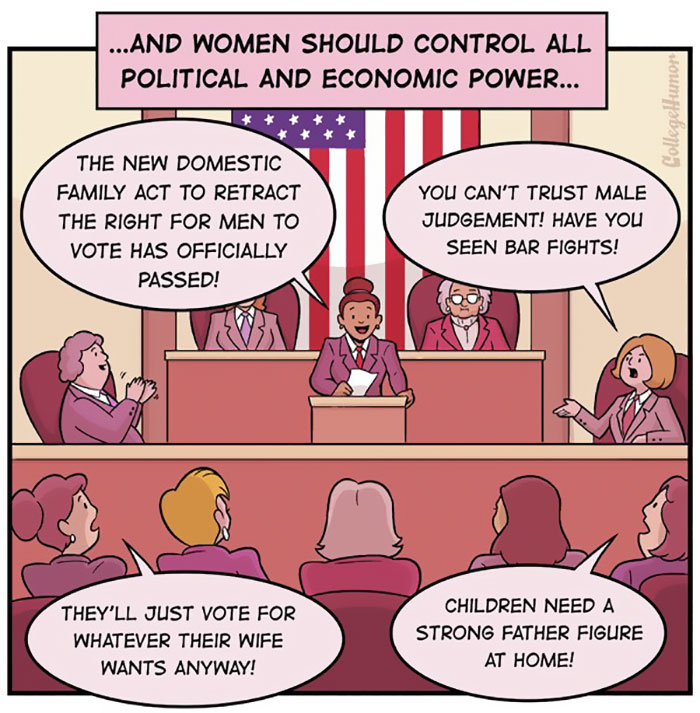
E. The Re-emergence of Traditional Gender Roles: Despite progress in some areas, there is a resurgence of traditional gender roles, fueled by conservative political movements and cultural narratives. This backlash against feminism seeks to reinforce patriarchal norms and limit women’s autonomy.
V. Beyond the Binary: Intersectional Feminism and the Future
The future of feminism lies in embracing intersectionality – recognizing that gender inequality is intertwined with other forms of oppression, such as racism, classism, and homophobia. Intersectional feminism seeks to address the unique experiences of women who face multiple forms of marginalization.
We must move beyond a simplistic understanding of gender and recognize the complexities of identity and power. We must create a feminism that is inclusive, equitable, and empowering for all women, regardless of their race, class, sexual orientation, or gender identity.
The second wave may be a historical moment, but its spirit of rebellion, its commitment to justice, and its unwavering belief in the power of women to shape their own destinies remains as relevant and vital as ever. Let us honor the legacy of those who came before us by continuing the fight for a world where all genders can thrive.
The symphony is unfinished. The crescendo is yet to come.







Leave a Comment