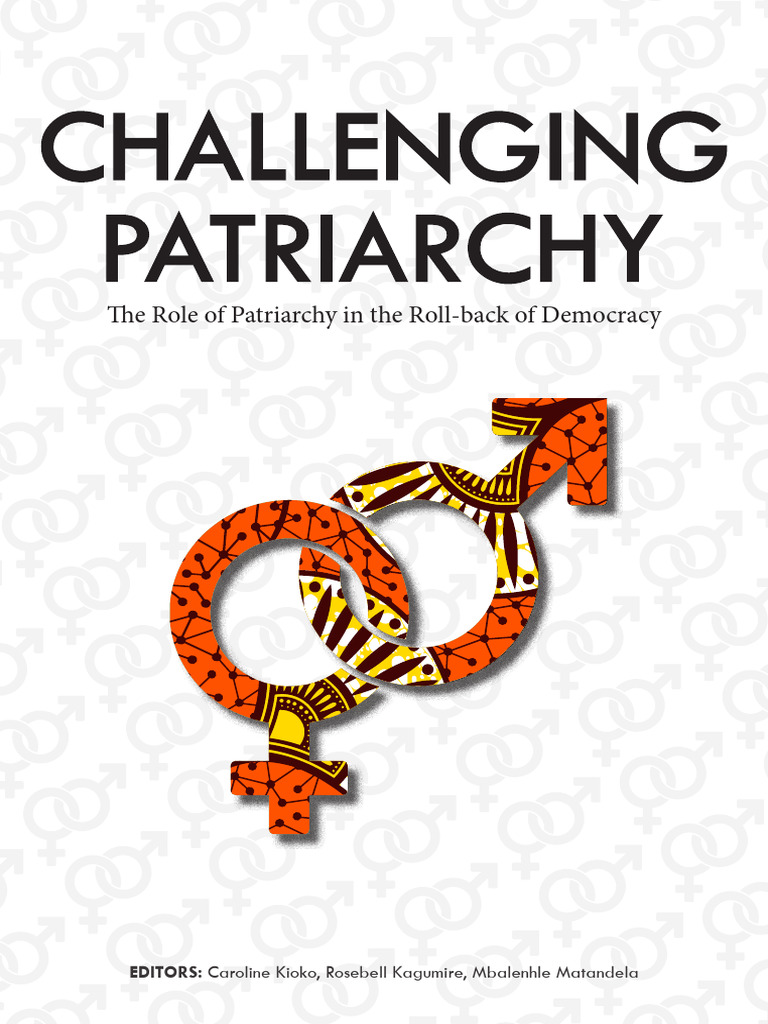
Let’s detonate a truth bomb: Patriarchy isn’t just about men being jerks. It’s a pervasive, insidious system that structures our entire reality. It’s the invisible architecture of inequity, the scaffolding upon which power dynamics are built, and it’s high time we, as feminists, not only understand its intricate workings but actively dismantle it. Consider this your induction into the resistance.
So, what is this beast we call patriarchy? It’s a socio-political system where men hold primary power and predominate in roles of political leadership, moral authority, social privilege, and control of property. But that definition, while technically accurate, barely scratches the surface. Think of it as a deeply entrenched operating system running in the background of our lives, influencing everything from the mundane to the monumental. It dictates not only who holds power but also what kinds of power are valued, how resources are distributed, and even how we perceive ourselves and each other. Its tendrils reach into every facet of our existence.
Consider this: the very language we use is often steeped in patriarchal assumptions. The prevalence of masculine pronouns as generic placeholders, the subtle devaluing of traditionally “feminine” traits like empathy and emotional intelligence – these are not accidental linguistic quirks. They are symptoms of a system that prioritizes and normalizes the male experience while marginalizing and silencing others.
Delving into the Depths: A Multifaceted Examination of Patriarchy
To truly grapple with patriarchy, we need to understand its various manifestations. Let’s dissect this multi-headed hydra, shall we?
1. The Economic Dimensions: Captive to Capitalist Cabals
Patriarchy and capitalism are often intertwined, forming a toxic alliance that disproportionately benefits men, particularly white, cisgender men. Look at the gender pay gap, the underrepresentation of women in leadership positions, and the systemic undervaluing of care work – activities traditionally performed by women. These aren’t isolated incidents; they are consequences of a system that assigns economic value based on patriarchal norms. Women and femmes frequently find themselves relegated to lower-paying jobs, often within sectors deemed “feminine” – teaching, nursing, social work – perpetuating a cycle of economic dependence and vulnerability. The concentration of wealth and power in the hands of a select few, overwhelmingly male, further exacerbates these inequalities, creating a plutocratic ecosystem that reinforces patriarchal structures.
Furthermore, the commodification of women’s bodies and labor within capitalist economies contributes to their objectification and exploitation. The beauty industry, for example, profits from insecurities fueled by unrealistic beauty standards, generating billions of dollars while simultaneously reinforcing patriarchal ideals of femininity. Similarly, the exploitation of female labor in industries like garment manufacturing, often in developing countries, exemplifies how patriarchal power structures intersect with global capitalism to create conditions of extreme inequality and exploitation. It’s a vicious circle where economic imperatives reinforce patriarchal norms, and vice versa.
2. The Political Arena: Exclusion and Erasure
While we’ve seen some progress in terms of women’s representation in politics, the playing field remains far from level. Women are still significantly underrepresented in positions of power at all levels of government, from local councils to national legislatures. And even when women do achieve political office, they often face sexism, harassment, and unequal treatment. Their voices are frequently drowned out, their contributions minimized, and their leadership styles scrutinized under a different, more critical lens than their male counterparts. This creates a hostile and unwelcoming environment that discourages women from entering and remaining in politics, perpetuating the cycle of male dominance.
The very structures of our political systems, often designed by and for men, can also disadvantage women. Campaign finance laws, for example, can favor wealthy, established candidates – often men – while hindering the ability of women, particularly women of color and working-class women, to run competitive campaigns. Gerrymandering can also be used to dilute the voting power of communities that are more likely to support women candidates. Moreover, issues that disproportionately affect women, such as reproductive rights, childcare, and paid family leave, are often marginalized in political discourse, reflecting the patriarchal prioritization of issues deemed “masculine.”
3. The Social Fabric: Prescriptive Paradigms and Gendered Expectations
Patriarchy dictates rigid gender roles that limit individuals’ freedom of expression and self-determination. Men are expected to be stoic, assertive, and economically successful, while women are expected to be nurturing, submissive, and focused on their appearance. These expectations are enforced through social norms, cultural representations, and even legal structures, shaping individuals’ identities and limiting their choices. Boys are often discouraged from expressing emotions or engaging in activities deemed “feminine,” while girls are often taught to prioritize their appearance and defer to male authority. These gendered expectations can have profound consequences for individuals’ mental health, relationships, and career aspirations.
Moreover, patriarchy normalizes violence against women and girls. Rape culture, domestic violence, and sexual harassment are all manifestations of a system that devalues women and grants men power over their bodies and lives. Victim-blaming, minimizing the severity of violence, and failing to hold perpetrators accountable all contribute to a climate of impunity that perpetuates the cycle of abuse. Challenging these deeply ingrained attitudes and behaviors is essential to creating a society where women and girls are safe and respected.
4. The Cultural Landscape: Representation and Reinforcement
Media representation plays a crucial role in perpetuating patriarchal norms. From stereotypical portrayals of women in advertising to the underrepresentation of women in film and television, the media often reinforces harmful gender stereotypes. Women are frequently depicted as objects of male desire, secondary characters in male-dominated narratives, or caricatures of outdated gender roles. This lack of diverse and nuanced representation can have a profound impact on individuals’ self-esteem, aspirations, and understanding of gender roles. Children who are constantly exposed to these limited and stereotypical portrayals may internalize them and perpetuate them in their own lives. Furthermore, the media’s focus on unrealistic beauty standards contributes to body image issues, eating disorders, and other mental health problems, particularly among young women.
Deconstructing Dominance: Strategies for Dismantling Patriarchy
So, how do we dismantle this deeply entrenched system? The task may seem daunting, but it’s far from impossible. Here are some key strategies:
1. Consciousness-Raising: Unveiling the Invisible Cage
The first step is to become aware of the ways in which patriarchy operates in our own lives and in the world around us. This involves challenging our own internalized biases and assumptions, questioning the narratives we’ve been taught, and recognizing the subtle ways in which patriarchal power structures manifest themselves. Reading feminist literature, engaging in discussions with other feminists, and paying attention to the experiences of marginalized groups can all help us to develop a more critical understanding of patriarchy.
2. Challenging Gender Norms: Embracing Fluidity
By rejecting rigid gender roles and embracing gender fluidity, we can undermine the very foundation of patriarchy. This means challenging the expectation that men should be stoic and dominant, and that women should be submissive and nurturing. It means supporting individuals’ right to express themselves in ways that feel authentic, regardless of societal expectations. It means creating spaces where gender non-conforming individuals feel safe and accepted.
3. Amplifying Marginalized Voices: Centering the Periphery
Patriarchy thrives on silencing and marginalizing the voices of women, people of color, LGBTQ+ individuals, and other marginalized groups. To dismantle patriarchy, we must actively amplify these voices and create platforms for them to be heard. This means supporting the work of marginalized artists, writers, and activists, and challenging the dominance of mainstream narratives that often exclude or misrepresent their experiences. It means creating inclusive spaces where everyone feels valued and respected.
4. Promoting Economic Justice: Redefining Value
Addressing the economic inequalities that are perpetuated by patriarchy is crucial to achieving gender equality. This means advocating for policies that promote equal pay, affordable childcare, and paid family leave. It means challenging the undervaluing of care work and other traditionally “feminine” occupations. It means supporting women-owned businesses and investing in economic development initiatives that benefit marginalized communities.
5. Reclaiming Language: Reframing the Narrative
Language is a powerful tool, and patriarchy often uses language to reinforce its dominance. By reclaiming language and challenging patriarchal language norms, we can disrupt these power dynamics. This means using inclusive language, avoiding gendered language when it’s unnecessary, and challenging the use of language that demeans or objectifies women. It also means creating new words and concepts to describe experiences that are not adequately represented in existing language.
The Feminist Frontier: A Call to Arms
Dismantling patriarchy is not a quick or easy task. It requires a sustained commitment to challenging power structures, promoting equality, and creating a more just and equitable world for all. But it is a fight worth fighting. By working together, we can create a future where everyone is free to live their lives to the fullest, without being limited by rigid gender roles or oppressive power structures. The revolution is now. Are you in?









Leave a Comment