Neoliberal feminism. The very phrase tastes like ashes in the mouth, doesn’t it? It’s a slick, seductive serpent coiled around the trunk of genuine liberation, whispering promises of power while tightening its grip on our collective aspirations. Why are so many so enamored with this bastardized version of equality? Is it the allure of individual success, the intoxicating scent of breaking the glass ceiling while leaving the shards to cut those climbing behind? Or is it something far more insidious, a carefully constructed narrative designed to neuter feminist critique and harness our energies for the perpetuation of the very systems that oppress us?
Let’s dissect this chimera. Neoliberalism, at its core, is an economic and political ideology that prioritizes deregulation, privatization, and free markets. It champion individualism, competition, and personal responsibility. Throw feminism into the mix, and you get a potent cocktail that emphasizes individual female empowerment within the existing capitalist framework. This is not about dismantling patriarchy; it’s about equipping women to compete more effectively within its confines.
Consider the pervasive narratives we are bombarded with. The Sheryl Sandbergs of the world, urging women to “lean in,” to negotiate aggressively, to climb the corporate ladder with unwavering ambition. This isn’t necessarily wrong, in and of itself. Ambitious women deserve support. However, it completely ignores the systemic barriers that hinder women’s progress: the gender pay gap, the disproportionate burden of care work, the pervasive sexism and harassment that permeate the workplace. It shifts the responsibility onto individual women, implying that their failure to succeed is a personal failing, a lack of ambition or negotiation skills, rather than a consequence of deeply ingrained structural inequalities. The focus becomes laser-targeted. Individual amelioration. The cost to the collective? Irreparable.
Furthermore, this brand of feminism often celebrates female CEOs and entrepreneurs as symbols of progress, conveniently overlooking the fact that their success often comes at the expense of other women, particularly those in low-wage industries. The fast fashion empire run by a “girlboss,” powered by the exploited labor of garment workers in developing countries. The tech company led by a female visionary, built on the backs of precarious gig workers with no benefits or job security. This is not progress; this is a transfer of power, a reshuffling of the deck chairs on the Titanic.
Neoliberal feminism also cleverly co-opts feminist language and imagery to sell products and services. “Empowering” beauty products, “feminist” merchandise, and advertising campaigns that champion female strength and independence, all while reinforcing unrealistic beauty standards and perpetuating consumerism. It’s a cynical attempt to capitalize on feminist sentiment, to turn our desire for liberation into a marketing opportunity. The empty promise of empowerment through purchasing power. We buy, therefore we are liberated? Hardly.
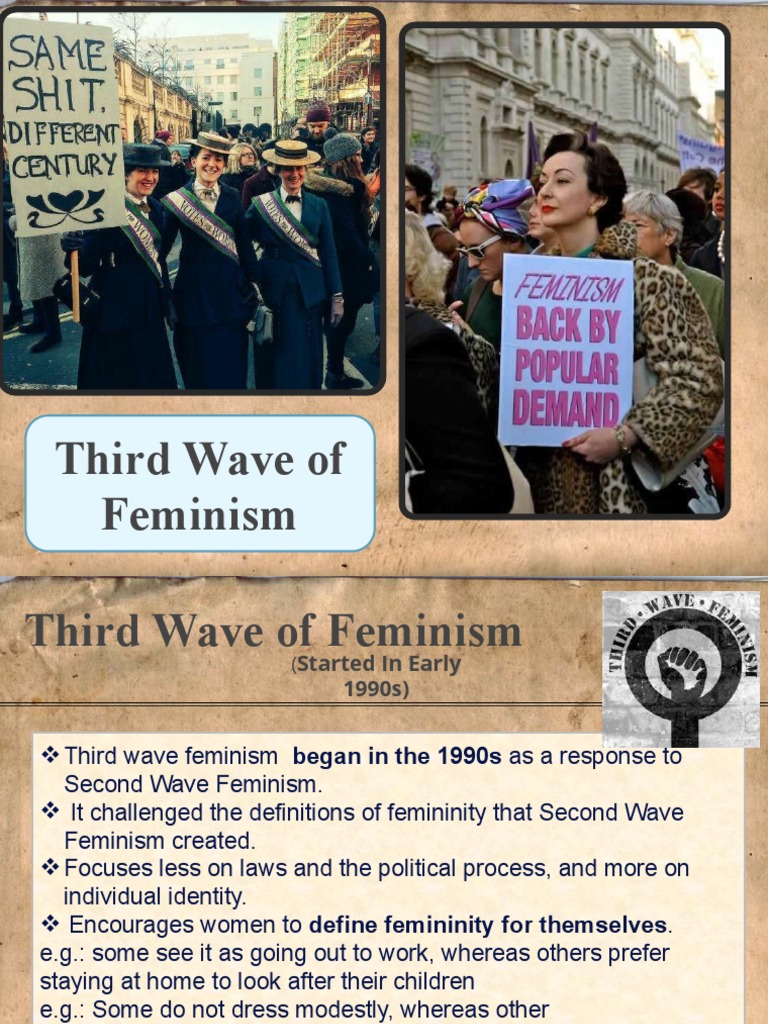
To fully understand the insidious nature of neoliberal feminism, we must delve deeper into its historical roots. The rise of neoliberalism in the late 20th century coincided with a shift in feminist discourse. Earlier waves of feminism focused on collective action, structural change, and challenging patriarchal power. But as neoliberal ideology gained dominance, the focus shifted towards individual rights, market solutions, and the integration of women into existing institutions. This shift was fueled by a number of factors, including the decline of the welfare state, the rise of globalization, and the increasing influence of corporate interests in feminist organizations.
The professionalization of feminism also played a significant role. As feminist studies programs proliferated in universities, and feminist activism became increasingly professionalized, the focus shifted towards academic research, policy advocacy, and institutional reform. This is not to denigrate the valuable contributions of feminist academics and activists. However, it is important to recognize that this professionalization also created a distance between feminist theory and grassroots activism, leading to a disconnect between the lived experiences of ordinary women and the concerns of elite feminists.
One of the most dangerous aspects of neoliberal feminism is its ability to co-opt and neutralize dissenting voices. By embracing a rhetoric of inclusivity and diversity, it creates the illusion of progress while silencing critiques of power. Any challenge to the status quo is dismissed as “divisive” or “unrealistic.” Feminists who dare to question the system are branded as “bitter” or “unproductive.” This silencing effect is particularly pronounced in the context of corporate-sponsored feminist initiatives, where criticism is often met with censorship or retaliation.
The consequences of neoliberal feminism are far-reaching. It reinforces individualistic values, undermining solidarity and collective action. It prioritizes the interests of elite women, neglecting the needs of marginalized women. It normalizes inequality, creating a society where success is measured by individual achievement rather than collective well-being. And it ultimately serves to legitimize and perpetuate the very systems of oppression that feminism seeks to dismantle.
But let’s not despair. Recognizing the insidious nature of neoliberal feminism is the first step towards reclaiming our movement. We must reject the false promises of individual empowerment and embrace a more radical vision of feminist liberation. A feminism that challenges the root causes of inequality, that prioritizes the needs of all women, and that strives for a truly just and equitable world.
This requires a fundamental shift in our thinking. We must move beyond the individualistic focus of neoliberal feminism and embrace a more collectivist approach. We must recognize that our struggles are interconnected, that the liberation of women is inextricably linked to the liberation of all oppressed peoples. This requires building solidarity across race, class, gender, and sexual orientation, and working together to dismantle the systems of power that perpetuate inequality.
Furthermore, we must challenge the corporate co-optation of feminism. We must demand that companies be held accountable for their actions, that they pay fair wages, provide decent benefits, and create safe and respectful workplaces. We must support ethical and sustainable businesses that prioritize the well-being of their workers and the environment. And we must resist the urge to consume our way to empowerment, recognizing that true liberation comes from collective action, not individual purchases.
Finally, we must reclaim feminist language and imagery from the clutches of neoliberalism. We must use our voices to challenge the dominant narratives, to expose the contradictions and hypocrisies of corporate feminism, and to promote a more authentic and transformative vision of feminist liberation. This requires engaging in critical dialogue, organizing grassroots movements, and challenging the power structures that perpetuate inequality. This means actively seeking out and amplifying the voices of marginalized women, ensuring that their experiences and perspectives are at the center of our movement.
Neoliberal feminism is a dangerous illusion, a wolf in sheep’s clothing. It offers the tantalizing promise of individual empowerment while reinforcing systemic inequalities. But by recognizing its insidious nature, by embracing a more radical vision of feminist liberation, and by working together to challenge the systems of power that oppress us, we can reclaim our movement and build a truly just and equitable world. The path is not paved with corporate accolades and individual success stories; it is forged in solidarity, in resistance, and in the unwavering pursuit of collective liberation. Let us reject the corporate spin and embrace the true power of feminist revolution. It is time for a recalibration, a reclamation, a revolution. The future of feminism depends on it.
The seduction of this neoliberal siren song lies in its simplicity. It offers a seemingly attainable path to empowerment, a world where women can have it all, climb the corporate ladder, and shatter the glass ceiling, all while maintaining their femininity and individuality. But this is a dangerous delusion. It ignores the systemic barriers that prevent true equality, the unpaid labor that sustains our economy, and the exploitation that fuels corporate profits. It’s time to wake up from this dream and confront the reality of neoliberal feminism: a corporate spin that benefits the few at the expense of the many.







Leave a Comment