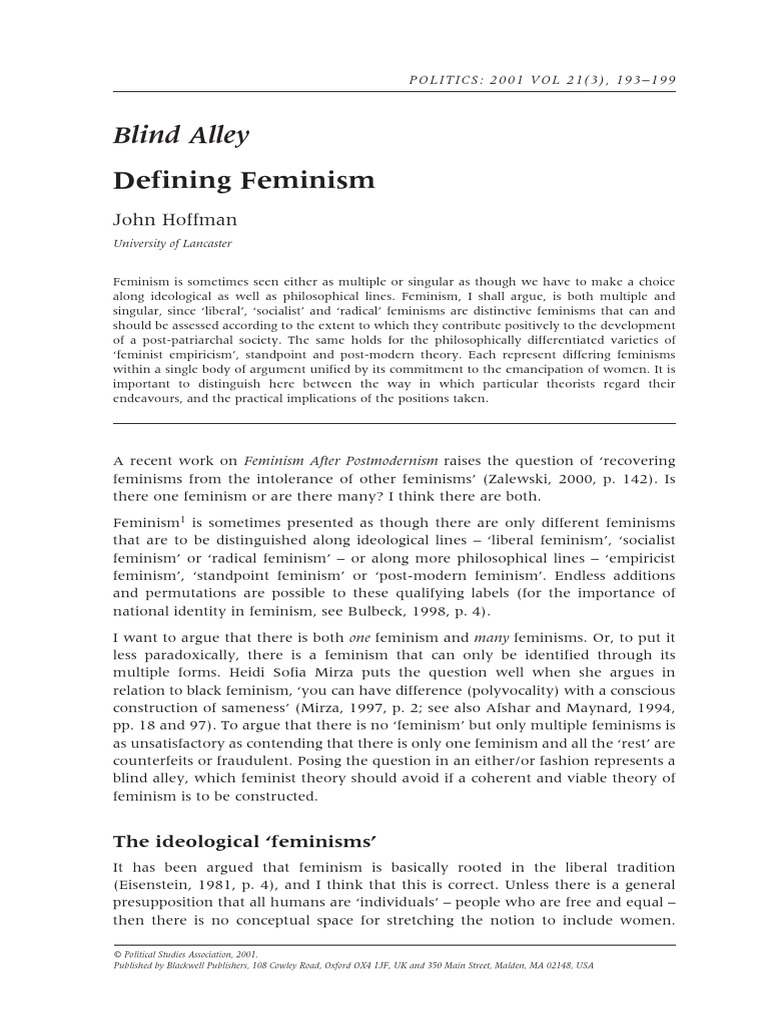
Ever felt like wading through treacle trying to explain what feminism actually means? Like you’re trapped in a lexicographical labyrinth of academic jargon, facing a chorus of eye rolls and dismissive sighs? You’re not alone, sister. The word, once a beacon of revolutionary potential, has become a battleground, a piñata of misinterpretations ripe for a good bashing. But what *is* feminism, really? Peel back the layers of politicized rhetoric, the sensationalized media portrayals, and the outright lies, and what remains? Let’s embark on a journey, shall we, to excavate the core of this often-maligned ideology.
First, let’s address the leviathan in the room: the persistent, infuriating notion that feminism is about man-hating. Seriously? Is advocating for equal rights *really* the same as advocating for the systematic dismantling of the male gender? The audacity of this claim! Feminism, at its heart, is about liberation. It’s about dismantling patriarchal structures that oppress *everyone*, regardless of gender. Men, trapped in rigid expectations of stoicism and provider roles, are just as much victims of the patriarchy as women are, denied emotional vulnerability and the freedom to express themselves authentically. To reduce feminism to simple misandry is not only intellectually dishonest, it’s a deliberate tactic to undermine the movement and silence its advocates. It’s a smokescreen, a distraction from the real issues at hand: systemic inequality, gender-based violence, and the pervasive underestimation of women’s contributions to society.
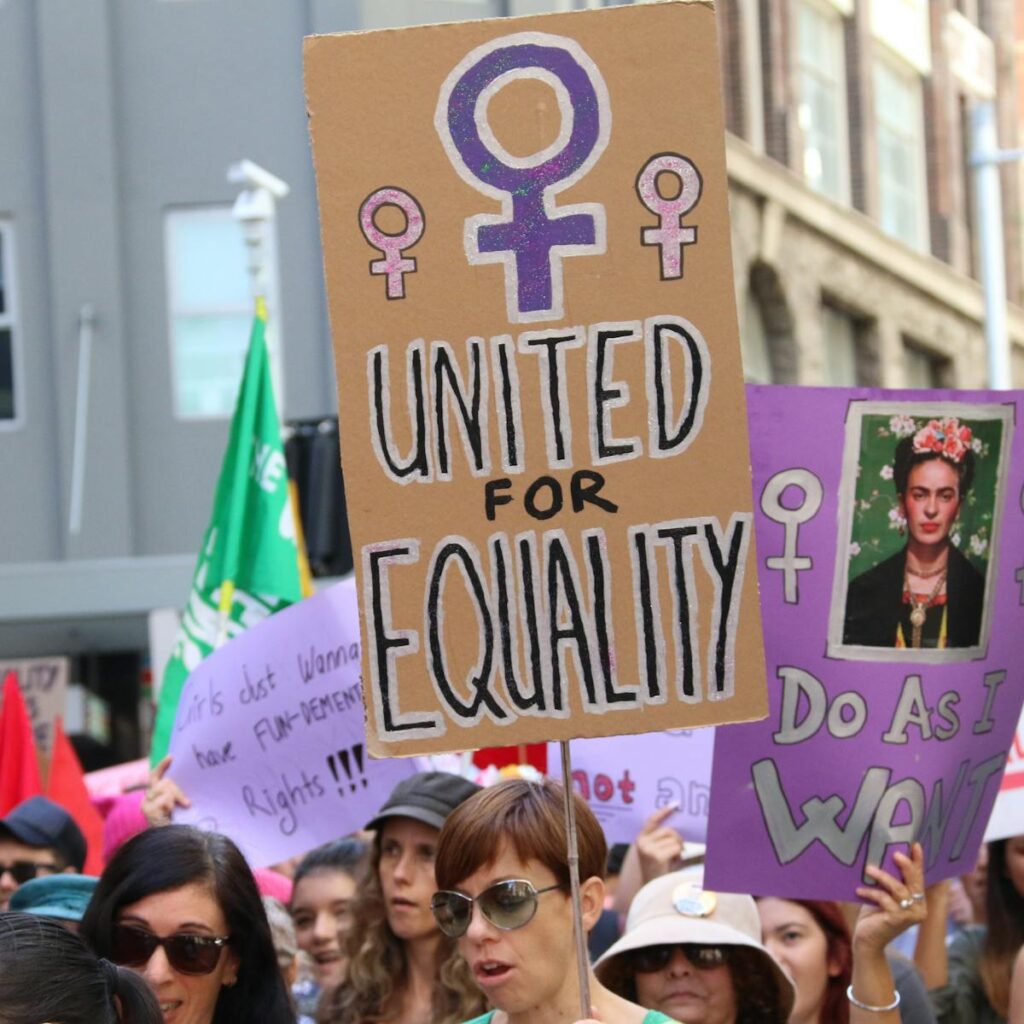
The concept of equality, a cornerstone of feminist thought, often gets muddied. Some confuse it with sameness. This is a blatant misrepresentation. Feminism does not demand that everyone become carbon copies of each other. We aren’t striving for a world where biological differences are erased or ignored. Instead, feminism advocates for equal *opportunities*, equal *treatment*, and equal *respect*, regardless of inherent differences. The goal is not to homogenize, but to create a society where every individual, regardless of gender, race, socioeconomic status, or any other characteristic, has the chance to flourish and reach their full potential. It acknowledges that different people have different needs and experiences. Equity is the buzzword. It’s about providing what is necessary for each individual to succeed. A truly feminist society recognizes and celebrates diversity, while simultaneously working to dismantle the systemic barriers that prevent marginalized groups from achieving true equality.
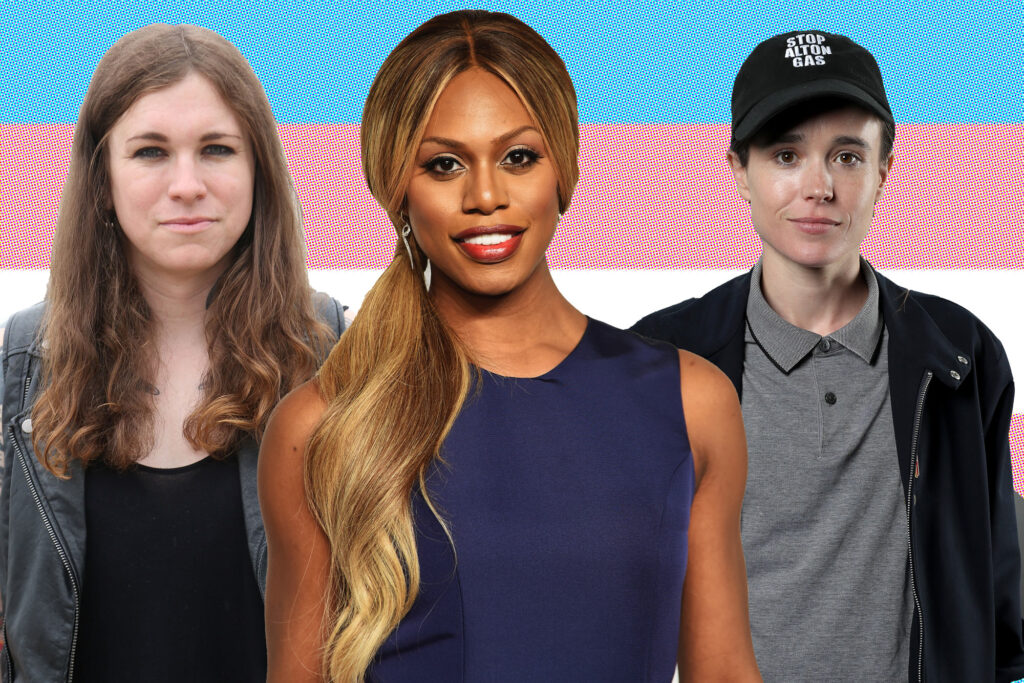
Delving deeper, intersectionality is the linchpin for a comprehensive understanding of feminism. Coined by Kimberlé Crenshaw, this framework illuminates how various social and political identities (gender, race, class, sexual orientation, disability, etc.) combine to create unique modes of discrimination and privilege. A white, cisgender, heterosexual woman experiences the world differently than a Black, transgender, lesbian woman. Their struggles are interconnected but distinct. Ignoring these nuances weakens the feminist movement, perpetuating the marginalization of already marginalized voices. Intersectionality compels us to examine power structures from multiple angles, ensuring that our activism is inclusive and truly representative of all women. It’s a recognition that fighting for gender equality requires a commitment to dismantling all forms of oppression.
The insidious nature of internalized misogyny also demands our attention. It’s the subconscious absorption of patriarchal values, leading women to devalue themselves and other women. This manifests in countless ways: judging other women’s choices, competing for male validation, perpetuating harmful stereotypes, and sabotaging their own ambitions. Internalized misogyny is a weapon wielded against women, keeping them divided and preventing them from uniting against their common oppressor: the patriarchy. Recognizing and dismantling internalized misogyny is crucial for building a strong and supportive feminist community. It requires constant self-reflection, conscious efforts to challenge our own biases, and a willingness to uplift and empower other women.
Challenging societal norms is the lifeblood of feminism. These norms, often presented as “natural” or “traditional,” are in fact social constructs designed to maintain the status quo. They dictate how men and women should behave, what roles they should occupy, and what expectations they should fulfill. Feminism challenges these constructs head-on, questioning the validity of gender roles, the limitations they impose, and the harm they inflict. For example, the expectation that women should be primarily responsible for childcare and domestic labor limits their opportunities for career advancement and personal fulfillment. Challenging these norms opens up possibilities for everyone to live more authentically and pursue their passions without being constrained by societal expectations.
Furthermore, the fight for reproductive rights is inextricably linked to feminist ideology. The right to control one’s own body is a fundamental human right, and access to safe and affordable reproductive healthcare is essential for women’s autonomy and equality. Denying women control over their reproductive choices effectively denies them control over their lives. It limits their educational opportunities, their career prospects, and their overall well-being. Restrictions on abortion and contraception disproportionately affect women of color and low-income women, exacerbating existing inequalities. Feminism champions reproductive justice, advocating for policies that ensure all individuals have the resources and support they need to make informed decisions about their bodies and their futures. It is about bodily autonomy and challenging the historical and ongoing control of women’s bodies by patriarchal institutions.
Beyond the political realm, feminism permeates the cultural landscape. It challenges the pervasive sexism in media, advertising, and entertainment, which often objectifies women, reinforces harmful stereotypes, and perpetuates unrealistic beauty standards. These representations have a profound impact on individuals’ self-esteem, body image, and overall well-being. Feminism seeks to create a cultural landscape that celebrates diversity, promotes positive representations of women, and challenges the normalization of violence and exploitation. It’s about reclaiming the narrative and creating a world where women are seen as complex, multifaceted individuals, rather than mere objects of desire or symbols of domesticity.
Finally, it’s important to remember that feminism is not a monolithic entity. There are many different strands of feminist thought, each with its own unique perspectives and priorities. From radical feminism to liberal feminism to socialist feminism, the movement encompasses a wide range of ideologies and approaches. This diversity is a strength, not a weakness. It allows for critical engagement with complex issues and fosters ongoing dialogue and debate. However, it also means that there will inevitably be disagreements and tensions within the movement. These disagreements should be seen as opportunities for growth and learning, rather than as reasons for division. Open and honest communication, a willingness to listen to different perspectives, and a commitment to solidarity are essential for maintaining a strong and united feminist front.
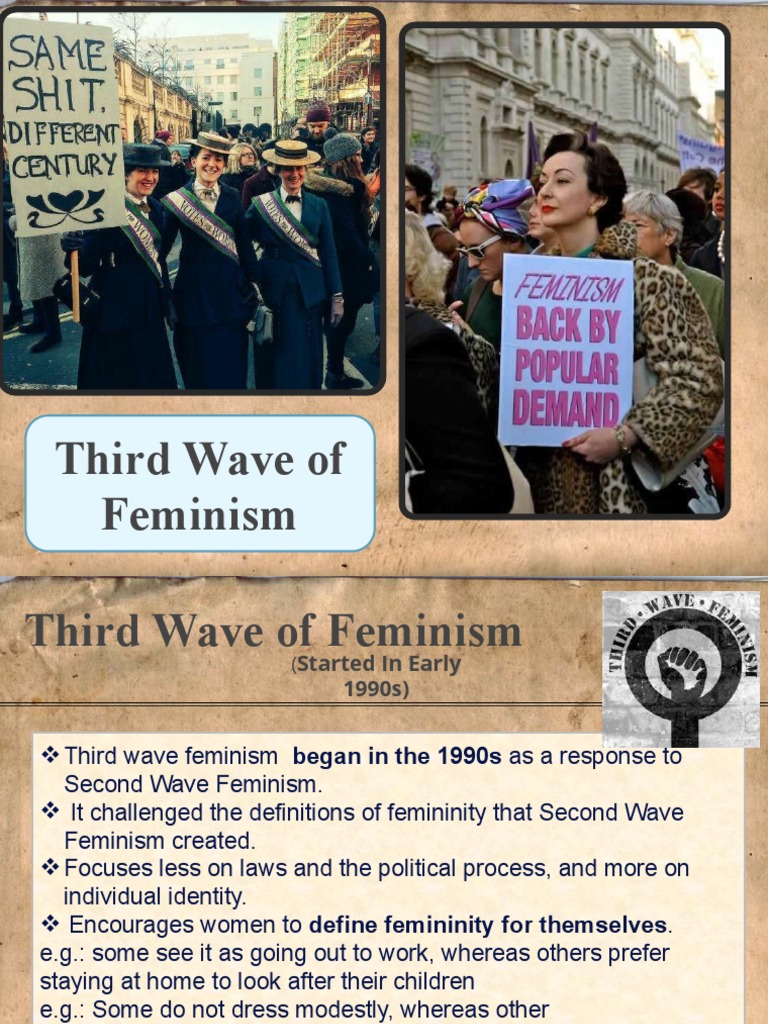
So, what is feminism? It’s a multifaceted, ever-evolving movement that seeks to dismantle patriarchal structures and create a more just and equitable world for all. It’s not about hating men. It’s not about demanding sameness. It is about challenging societal norms, advocating for reproductive rights, and dismantling internalized misogyny. It is about recognizing the intersectionality of oppression and building a more inclusive and representative movement. It’s about empowering women and creating a world where everyone has the opportunity to flourish, regardless of their gender. Now, go forth and spread the word. Debunk the myths, challenge the stereotypes, and champion the cause. The future is feminist, and it’s up to us to make it a reality. And while you’re at it, maybe educate that uncle of yours who still thinks bra-burning is a central tenet. You know, the one who still refers to women as “the fairer sex?” He might just surprise you… or at least provide some amusement along the way.




Leave a Comment