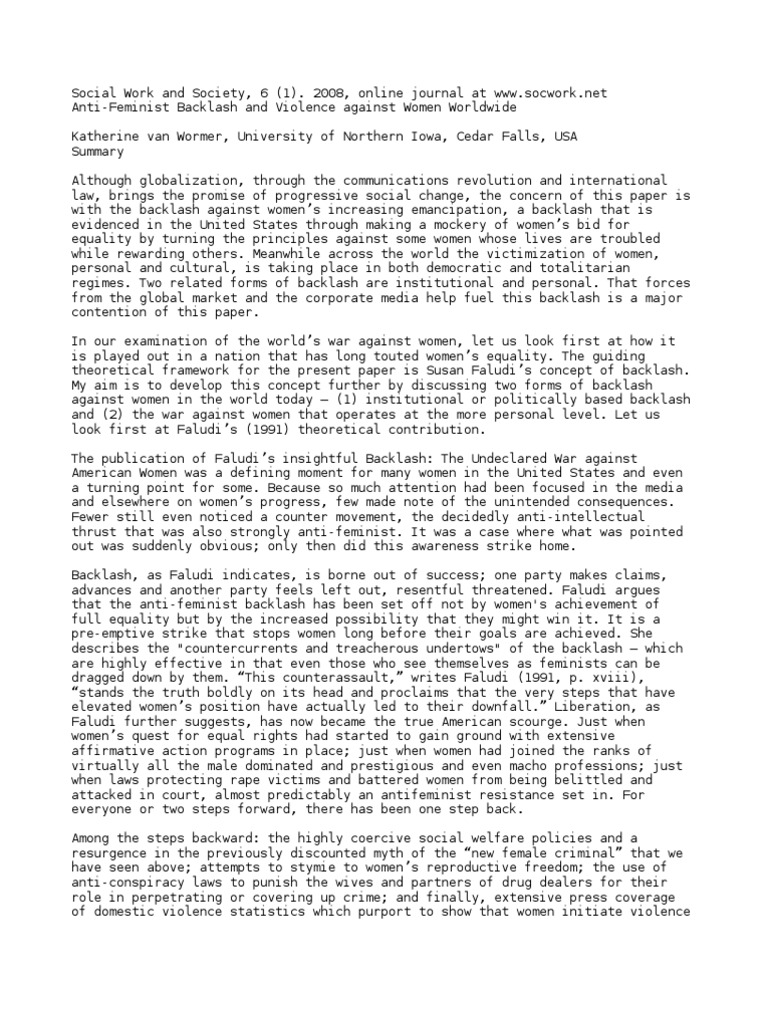
Anti-feminism. The very term conjures images of shadowy figures, archaic ideologies, and a desperate clinging to a bygone era. But to simply dismiss it as a quaint anachronism is to fundamentally misunderstand the insidious and multifaceted nature of the backlash against gender equality. It’s not just about disliking feminists; it’s a complex tapestry woven from resentment, fear, and a deeply ingrained desire to maintain the patriarchal status quo.
So, what *is* anti-feminism, really? It’s not a monolithic entity, but rather a constellation of beliefs, arguments, and actions that oppose feminist goals and challenge the very notion of gender equality. It’s a reactionary force, pushing back against the hard-won progress of generations of women and their allies.
Let’s delve into the intellectual bog of anti-feminist thought, dissecting its core tenets and exposing the fallacies that underpin its resistance.
I. The Anatomy of Resistance: Deconstructing Anti-Feminist Arguments
Anti-feminism doesn’t just spring from nowhere. It’s built on a foundation of carefully constructed arguments, often cloaked in seemingly reasonable language. To understand the beast, we must first dissect its anatomy.
A. The Myth of Reverse Discrimination: The cornerstone of many anti-feminist arguments is the claim that feminism has gone too far, resulting in “reverse discrimination” against men. This narrative posits that women have achieved equality and are now unfairly advantaged in education, employment, and other spheres. This is, quite frankly, balderdash. The persistent gender pay gap, the underrepresentation of women in leadership positions, and the disproportionate burden of unpaid care work all scream otherwise. The playing field is far from level, and the notion of systemic discrimination against men is a thinly veiled attempt to deflect from the real issues.
B. Biological Determinism and the “Natural” Order: This argument, as old as patriarchy itself, asserts that inherent biological differences between men and women dictate their roles in society. Men are “naturally” more suited for leadership, while women are “naturally” more nurturing and domestic. This essentialist view ignores the vast diversity within each gender and the profound impact of socialization on shaping our behaviors and aspirations. To claim that biology is destiny is to deny the agency and potential of countless individuals. It’s a convenient excuse for maintaining traditional power structures.
C. The Attack on the Family: Anti-feminists often portray feminism as an assault on the traditional family unit, arguing that it undermines marriage, encourages promiscuity, and devalues motherhood. This is a deliberate misrepresentation of feminist goals. Feminists advocate for a variety of family structures and support individuals in making choices that are right for them. The real threat to the family is not feminism, but the rigid and often oppressive expectations placed upon individuals within patriarchal systems. Feminism seeks to liberate families from these constraints, allowing them to flourish in diverse and equitable ways.
D. The Dismissal of Violence Against Women: Shockingly, some anti-feminists downplay or even deny the prevalence and severity of violence against women. They may argue that accusations of sexual assault are often false, or that women are responsible for provoking male aggression. This is not only deeply offensive but also demonstrably untrue. Statistics on domestic violence, sexual assault, and harassment paint a grim picture of the pervasive threat that women face. Minimizing these realities is a dangerous act of complicity.
II. The Faces of Anti-Feminism: Identifying the Players
Anti-feminism manifests in various forms, from overt misogyny to subtle microaggressions. Understanding the different faces of anti-feminism is crucial for effectively combating its influence.
A. Overt Misogyny: This is the most blatant and easily recognizable form of anti-feminism. It involves openly expressing hatred, contempt, or disgust towards women. Online trolls who engage in harassment and abuse are a prime example. While overt misogyny is abhorrent, it’s often a symptom of deeper, more insidious forms of anti-feminism.
B. Benevolent Sexism: This seemingly positive form of sexism idealizes women as nurturing, caring, and dependent on men. While it may appear flattering on the surface, benevolent sexism reinforces traditional gender roles and limits women’s autonomy. It subtly communicates that women are less capable and require male protection.
C. Conservative Movements: Many conservative political and religious movements oppose feminist goals, often under the guise of preserving traditional values. These movements may advocate for policies that restrict women’s reproductive rights, limit their access to education and employment, or reinforce traditional family structures. Their opposition to gender equality is often deeply ingrained in their worldview.
D. “Men’s Rights” Activism: This movement claims that men are victims of discrimination and that feminism has gone too far in promoting women’s rights. While some “men’s rights” activists may raise legitimate concerns about issues such as male suicide or parental rights, the movement is often used as a platform for misogyny and anti-feminist sentiment.
E. The “Cool Girl” Trope: This internalized form of anti-feminism involves women distancing themselves from feminism and other women in an attempt to gain male approval. The “cool girl” prides herself on being “not like other girls,” often criticizing women who embrace feminist ideals or express traditionally feminine interests. This is a form of self-betrayal, perpetuating harmful stereotypes and undermining solidarity among women.
III. The Consequences of Backlash: The Real-World Impact
Anti-feminism is not just an abstract ideology; it has tangible and harmful consequences for individuals and society as a whole.
A. Increased Violence Against Women: Anti-feminist rhetoric can create a climate of hostility and disrespect towards women, contributing to an increase in violence against them. When women are dehumanized and objectified, it becomes easier to justify violence against them. The correlation is chilling and undeniable.
B. Restrictions on Reproductive Rights: Anti-feminist movements actively work to restrict women’s access to abortion and contraception, undermining their bodily autonomy and reproductive freedom. These restrictions disproportionately impact women of color and low-income women, further exacerbating existing inequalities.
C. Reinforcement of Gender Stereotypes: Anti-feminism perpetuates harmful gender stereotypes, limiting individuals’ opportunities and stifling their potential. When boys are told that they must be strong and stoic, and girls are told that they must be pretty and submissive, everyone suffers.
D. Political and Economic Inequality: Anti-feminist policies and attitudes contribute to the persistent political and economic inequality faced by women. The lack of women in leadership positions, the gender pay gap, and the unequal burden of unpaid care work are all symptoms of a society that devalues women’s contributions.
IV. Reclaiming the Narrative: Combating Anti-Feminism
Combating anti-feminism requires a multifaceted approach, encompassing education, activism, and a commitment to challenging harmful stereotypes and biases.
A. Education and Awareness: The first step in combating anti-feminism is to educate ourselves and others about its nature and consequences. We must challenge harmful stereotypes and biases whenever we encounter them, and promote a more nuanced understanding of gender and equality. This involves actively seeking out diverse perspectives and engaging in respectful dialogue with those who hold differing views. It demands critical thinking and a willingness to confront uncomfortable truths.
B. Amplifying Feminist Voices: It is crucial to amplify the voices of feminists, particularly those from marginalized communities. We must create spaces for women to share their stories and experiences, and support their efforts to advocate for change. This includes actively promoting feminist scholarship, art, and activism.
C. Supporting Feminist Organizations: There are numerous organizations working to advance gender equality and combat anti-feminism. Supporting these organizations through donations, volunteering, and advocacy can make a significant impact.
D. Challenging Online Misogyny: The internet has become a breeding ground for anti-feminist rhetoric and online harassment. We must actively challenge misogyny and abuse online, reporting hateful content and supporting victims of online harassment. This includes creating safer online spaces for women and promoting digital literacy and responsible online behavior.
E. Promoting Gender-Equitable Policies: We must advocate for policies that promote gender equality in all spheres of life, from education and employment to healthcare and politics. This includes supporting legislation that addresses issues such as equal pay, paid family leave, and affordable childcare.
Anti-feminism is a formidable foe, but it is not invincible. By understanding its core tenets, identifying its various forms, and taking concrete action to challenge its influence, we can create a more just and equitable world for all.
The fight is far from over, and the stakes are high. Let us rise to the challenge with courage, determination, and an unwavering commitment to gender equality. The future depends on it.






Leave a Comment