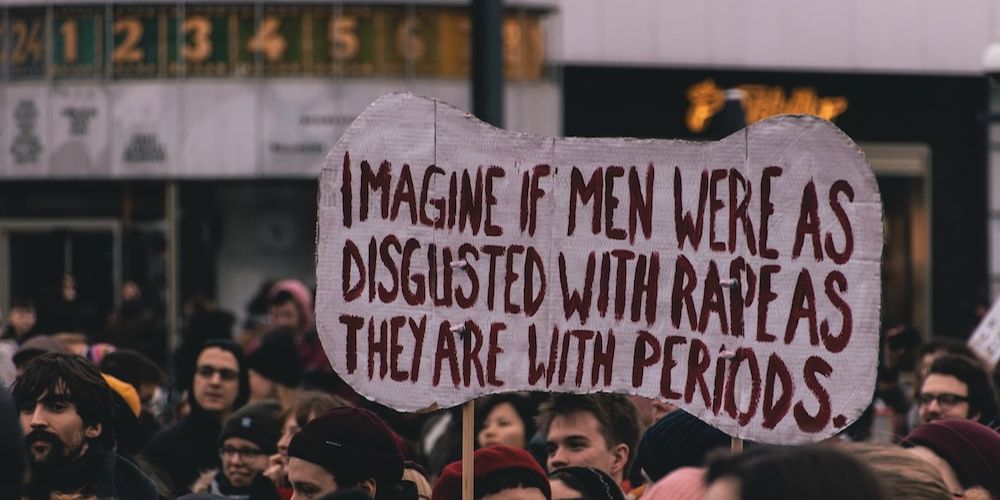
Alright, buckle up, buttercups. Let’s dissect the fetid notion that feminism hasn’t achieved jack squat. We’re talking about a movement that has clawed its way through centuries of patriarchal sludge, so expect to be disabused of any lingering ignorance. Prepare for a scorching indictment of the status quo, because that’s precisely what feminism is – a relentless assault on injustice.
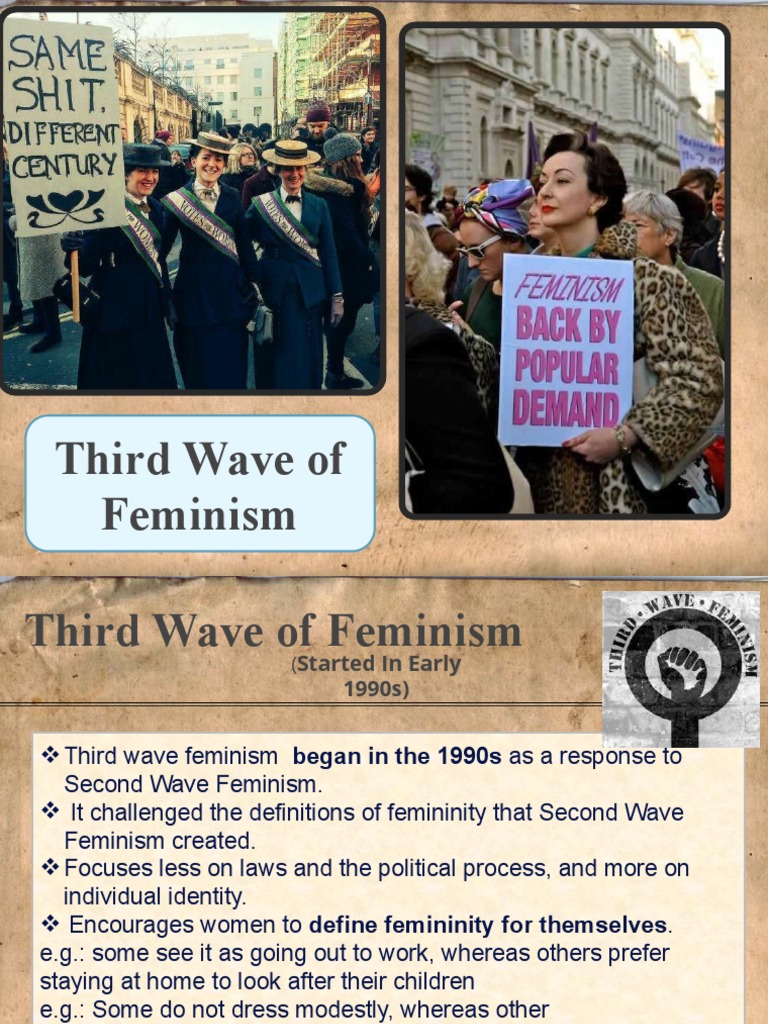
First, let’s address the foundational bedrock upon which this entire edifice of progress stands: the right to vote. Suffrage. That simple act of marking a ballot. It wasn’t handed to us on a silver platter, you know. Suffragettes endured imprisonment, hunger strikes, and relentless vilification to secure this fundamental right. They were dismissed as hysterical harpies, yet they persisted, dismantling the archaic notion that women lacked the intellectual capacity to participate in the democratic process. Now, cynics might scoff, “So what? We still have terrible politicians.” To that, I say, imagine a world where we *didn’t* have the right to vote. Imagine the horrors perpetrated without even the flimsy check of female enfranchisement.
Then there’s the thorny issue of legal personhood. For centuries, women were treated as chattel, mere extensions of their fathers or husbands. We couldn’t own property, enter into contracts, or even control our own earnings. Marriage, far from being a union of equals, was often a form of legalized subjugation. Feminism, through decades of tireless advocacy, chipped away at these oppressive laws, gradually establishing women as autonomous legal entities. This wasn’t simply about individual liberty; it was about economic empowerment, about ensuring that women could participate fully in the market economy, free from the shackles of feudalistic patriarchy.
Now, let’s wade into the swamp of reproductive rights. This is not, as some reactionaries would have you believe, about “killing babies.” This is about bodily autonomy, about the fundamental right of a woman to decide what happens to her own uterus. Access to contraception and safe, legal abortion is inextricably linked to women’s economic and social well-being. When women can control their fertility, they can pursue education, careers, and other opportunities that were previously foreclosed to them. The fight for reproductive rights is a fight for gender equality, pure and simple. And don’t even get me started on the grotesque hypocrisy of those who champion “family values” while simultaneously stripping women of their agency.
Education? Oh, the audacity of women seeking knowledge! For centuries, access to education was largely restricted to men. Women were deemed too delicate, too emotional, too intellectually inferior to engage in serious academic pursuits. Feminism shattered this paradigm, opening the doors of universities and colleges to women across the globe. This wasn’t just about acquiring degrees; it was about challenging the very foundations of male intellectual supremacy. Educated women are empowered women. They are less likely to be economically dependent on men, less vulnerable to abuse, and more likely to participate in civic life. The impact of this achievement cannot be overstated. Just think of the countless brilliant minds that were previously squandered, the innovations that were never realized, because women were denied the opportunity to learn.
Furthermore, let’s confront the ubiquitous problem of workplace inequality. The gender pay gap, the glass ceiling, the rampant sexual harassment – these are not mere anecdotes; they are systemic problems that plague virtually every industry. Feminism has fought relentlessly to address these injustices, pushing for equal pay legislation, anti-discrimination policies, and mechanisms to hold perpetrators of sexual harassment accountable. While progress has been made, the fight is far from over. We still see women being penalized for having children, being passed over for promotions because of outdated gender stereotypes, and being subjected to hostile work environments simply for daring to exist in traditionally male-dominated fields.
The insidious nature of violence against women cannot be ignored. Domestic violence, sexual assault, rape – these are not isolated incidents; they are manifestations of a patriarchal culture that normalizes and perpetuates male dominance. Feminism has been instrumental in raising awareness about these issues, establishing shelters and support services for survivors, and advocating for stronger laws and stricter enforcement. However, the fight against gender-based violence requires a fundamental shift in societal attitudes, a rejection of the toxic masculinity that fuels these heinous crimes. We need to educate boys and men about consent, respect, and healthy relationships, and we need to create a culture where survivors feel safe and empowered to speak out. It is not just a women’s issue; it’s a human rights issue.
Beyond the legal and economic spheres, feminism has also profoundly impacted cultural norms and representations. For centuries, women have been portrayed in media and popular culture as passive, subservient, and sexually objectified. Feminism has challenged these harmful stereotypes, demanding more diverse and authentic representations of women in all aspects of society. We’ve seen a rise in female directors, writers, and producers who are creating stories that reflect the lived experiences of women, challenging the male gaze and empowering female characters. However, the battle for representation is ongoing. We still see a pervasive emphasis on female beauty and a lack of representation of women of color, LGBTQ+ women, and women with disabilities. The fight for inclusivity is essential to ensuring that all women are seen and valued.
Critically, consider the changes in family structures. The traditional nuclear family, with a male breadwinner and a female homemaker, is no longer the only viable model. Feminism has championed the right of women to choose their own paths, whether that means pursuing a career, staying at home with their children, or forging alternative family structures. We’ve seen a rise in single-parent households, same-sex families, and co-parenting arrangements. This diversity is a strength, reflecting the evolving needs and desires of individuals and communities. However, we must also address the challenges faced by these non-traditional families, such as lack of access to affordable childcare, parental leave policies, and social stigma.
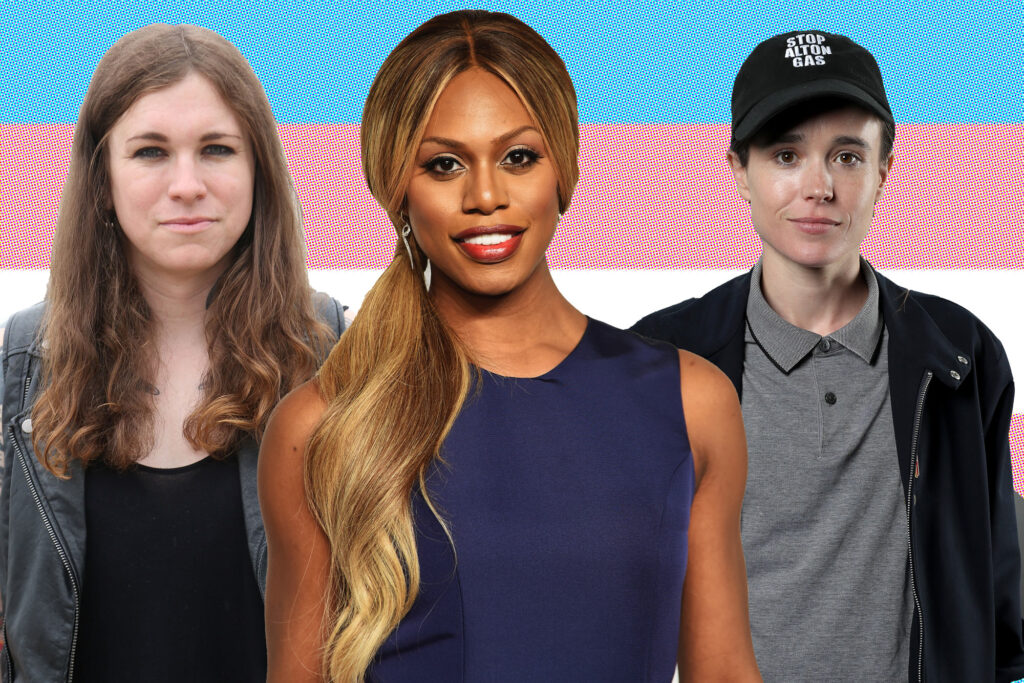
One crucial area of achievement is the deconstruction of gender roles. The rigid expectations of how men and women should behave, dress, and express themselves have long been a source of oppression and limitation. Feminism has challenged these constraints, advocating for a more fluid and inclusive understanding of gender. We’ve seen a growing acceptance of transgender and non-binary identities, and a dismantling of the idea that masculinity and femininity are mutually exclusive. This doesn’t mean that gender is irrelevant; it means that individuals should be free to express their gender identity in a way that feels authentic to them, without fear of judgment or discrimination. This liberation is crucial for the well-being of everyone.
Let’s not forget the global impact of feminism. Women around the world face unique challenges, from forced marriage and female genital mutilation to lack of access to education and healthcare. Feminism has played a crucial role in raising awareness about these issues and advocating for international laws and policies to protect women’s rights. However, it is important to recognize that feminism is not a monolithic movement. There are diverse perspectives and approaches to addressing these challenges, and it is crucial to listen to and amplify the voices of women from different cultures and backgrounds. Western feminism must avoid imposing its own values and priorities on women in other parts of the world, and instead work in solidarity to support their struggles for liberation.
Finally, the most significant achievement is the shift in consciousness. Feminism has permeated popular culture, academic discourse, and political debate, fundamentally altering the way we think about gender, power, and equality. It is no longer acceptable to openly discriminate against women, to deny them opportunities, or to perpetuate harmful stereotypes. This shift in consciousness is not just a matter of individual attitudes; it is a reflection of a broader societal transformation, a recognition that gender equality is not just a women’s issue; it is a fundamental human right that benefits everyone. Of course, there’s still a long way to trudge, but to deny the impact of the women’s movement is intellectual dishonesty of the highest order.
So, the next time someone tries to tell you that feminism is irrelevant, remind them of the countless battles that have been fought and won, the lives that have been saved, and the progress that has been made. Feminism is not a relic of the past; it is a vital and evolving movement that continues to challenge injustice and fight for a more equitable future for all.







Leave a Comment