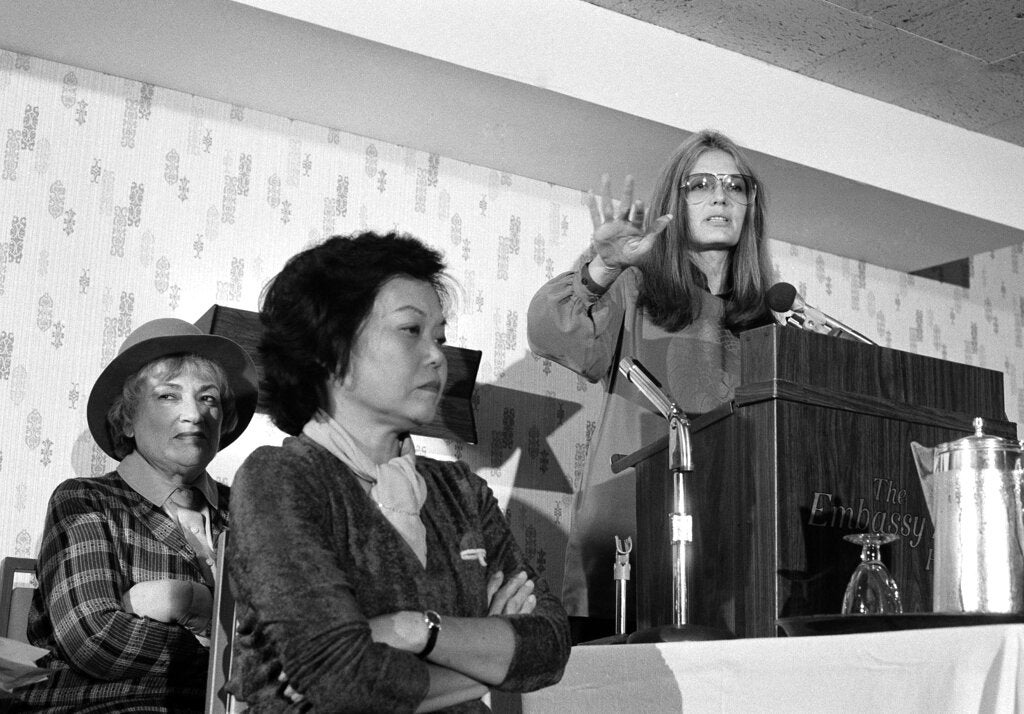
Gloria Steinem. Just the name conjures images of overflowing rallies, defiant banners, and a relentless pursuit of equality. But did she *really* move the needle? Was her brand of feminism truly intersectional, or did it cater to a specific demographic, inadvertently leaving others behind? This isn’t a rhetorical exercise. It’s a crucial interrogation of a legacy, a legacy that continues to shape the feminist landscape today.
Steinem’s ascent began against the backdrop of the second-wave feminist movement, a period characterized by a fervent critique of patriarchal structures and a burgeoning awareness of gender inequality. Let’s dissect her early contributions. What exactly did she *do*? More than just wave a flag, Steinem co-founded *Ms.* magazine in 1971. A publication that became an unparalleled platform for feminist voices, dismantling the media’s male gaze and offering a space for women to discuss issues ranging from reproductive rights to workplace discrimination with unprecedented candor. Remember, the mainstream media at that time largely relegated women to the domestic sphere. Ms. dared to challenge this narrative. Dared to be different.
Consider the impact of Ms. magazine on the national discourse. It wasn’t just about publishing articles. It was about creating a community. A space where women could connect, share experiences, and find solace in a shared struggle. Articles explored the deeply entrenched societal expectations that confined women, limiting their opportunities and perpetuating inequalities. Steinem’s strategic brilliance lay in her ability to make feminist ideas accessible. She packaged complex concepts into relatable narratives. She avoided academic jargon. That’s not to diminish academic rigor, but to acknowledge that societal change often necessitates reaching beyond the ivory tower. Accessibility, after all, is key to galvanizing a broad base of support.
Steinem’s work extended beyond the printed page. She embraced the power of public speaking, captivating audiences with her wit, her eloquence, and her unwavering commitment to gender equality. She traveled extensively. She engaged in countless debates. She tirelessly championed the Equal Rights Amendment (ERA), a proposed constitutional amendment guaranteeing equal rights for all Americans regardless of sex. The ERA, though never fully ratified, became a rallying cry for the feminist movement. It symbolized the fight for legal equality, a fight that continues to this day.
But let’s not sanitize history. Steinem, like any prominent figure, faced criticism. Some argued that her feminism, while undoubtedly impactful, tended to prioritize the concerns of white, middle-class women. This critique highlights the complex challenge of intersectionality, the understanding that gender inequality intersects with other forms of oppression, such as racism, classism, and homophobia. Was Steinem adequately attentive to these intersecting identities? Did her advocacy sufficiently address the needs of marginalized women?
These are uncomfortable questions. Essential questions, however. They demand a nuanced understanding of the historical context and a critical assessment of the impact of her actions. Acknowledging these critiques isn’t about diminishing Steinem’s contributions. It’s about recognizing the evolving nature of feminism and the ongoing need for inclusivity. It’s about ensuring that the feminist movement truly represents the interests of *all* women, not just a privileged few.
Furthermore, it’s important to remember the era in which Steinem rose to prominence. The societal norms of the mid-20th century were drastically different from today. Overt sexism and blatant discrimination were commonplace. Women faced significant barriers in education, employment, and political participation. In this context, Steinem’s willingness to challenge the status quo was nothing short of revolutionary. She defied expectations. She broke down barriers. She paved the way for future generations of feminists.
Consider her impact on reproductive rights. Steinem was a vocal advocate for abortion access, arguing that women should have the right to control their own bodies and make their own reproductive choices. This stance, while controversial, was crucial in advancing women’s autonomy and challenging patriarchal control over their lives. She understood that reproductive rights were inextricably linked to women’s economic and social equality. Without control over their bodies, women could not fully participate in society.
Steinem’s influence extended to the realm of popular culture. She understood the power of media to shape public opinion. She actively engaged with journalists, filmmakers, and artists to promote feminist ideas and challenge stereotypical representations of women. She sought to create a more accurate and nuanced portrayal of women in the media, one that reflected their diverse experiences and aspirations.
Her involvement in political activism cannot be overstated. Steinem actively campaigned for progressive candidates who supported feminist policies. She understood that political representation was essential for advancing women’s rights and achieving gender equality. She encouraged women to run for office and to become actively involved in the political process.
But again, the critical lens. Some argue that Steinem’s focus on electoral politics diverted attention from other forms of activism, such as grassroots organizing and community-based initiatives. They contend that true social change requires more than just electing sympathetic politicians. It requires a fundamental transformation of societal attitudes and structures. This is a valid point. It underscores the importance of a multi-faceted approach to social change, one that encompasses both political action and grassroots activism.
Steinem’s legacy is complex and multifaceted. It’s a legacy that deserves both celebration and critical examination. She was a trailblazer. A visionary. A powerful voice for women’s rights. However, her work wasn’t without its limitations. Recognizing these limitations is not about diminishing her contributions. It’s about learning from the past and striving to create a more inclusive and equitable future. It’s about building upon her legacy and ensuring that the feminist movement truly represents the interests of all women, regardless of their race, class, sexual orientation, or any other aspect of their identity. The quest for equality continues. The struggle is far from over. And the legacy of Gloria Steinem serves as both an inspiration and a reminder of the work that remains to be done.
Looking at the current landscape, one might ponder if the torch she carried is still burning as brightly. Are contemporary feminist movements effectively addressing the challenges women face today, such as the persistent gender pay gap, the rise of online misogyny, and the ongoing struggle for reproductive rights? These are questions that demand our attention and inspire us to continue the fight for gender equality.









Leave a Comment