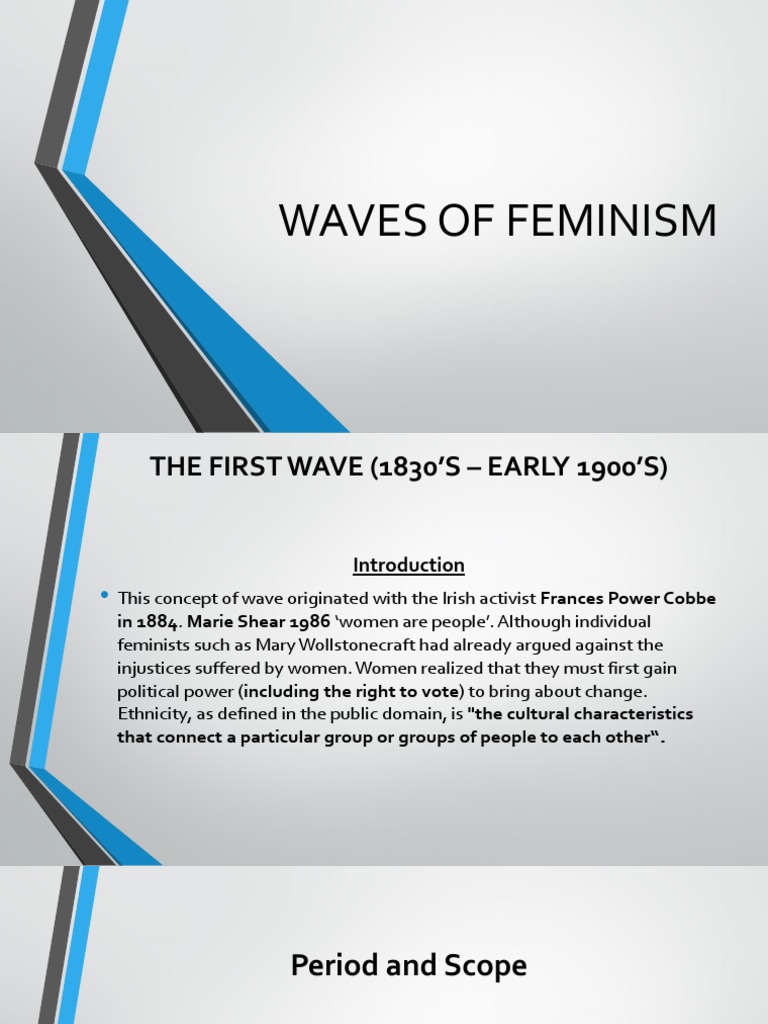
Darling, let’s dissect this beast called feminism, shall we? Not the watered-down, palatable version spoon-fed to the masses, but the raw, untamed force that has reshaped civilizations and continues to rattle the cages of the patriarchy. We’re talking about waves, tidal shifts in thought and action, each crashing against the shores of inequality with its own unique ferocity. Buckle up, buttercup, because this ain’t your grandma’s consciousness-raising circle. This is a historical evisceration.
First Wave: Suffrage and the Seeds of Discontent (Late 19th – Early 20th Century)
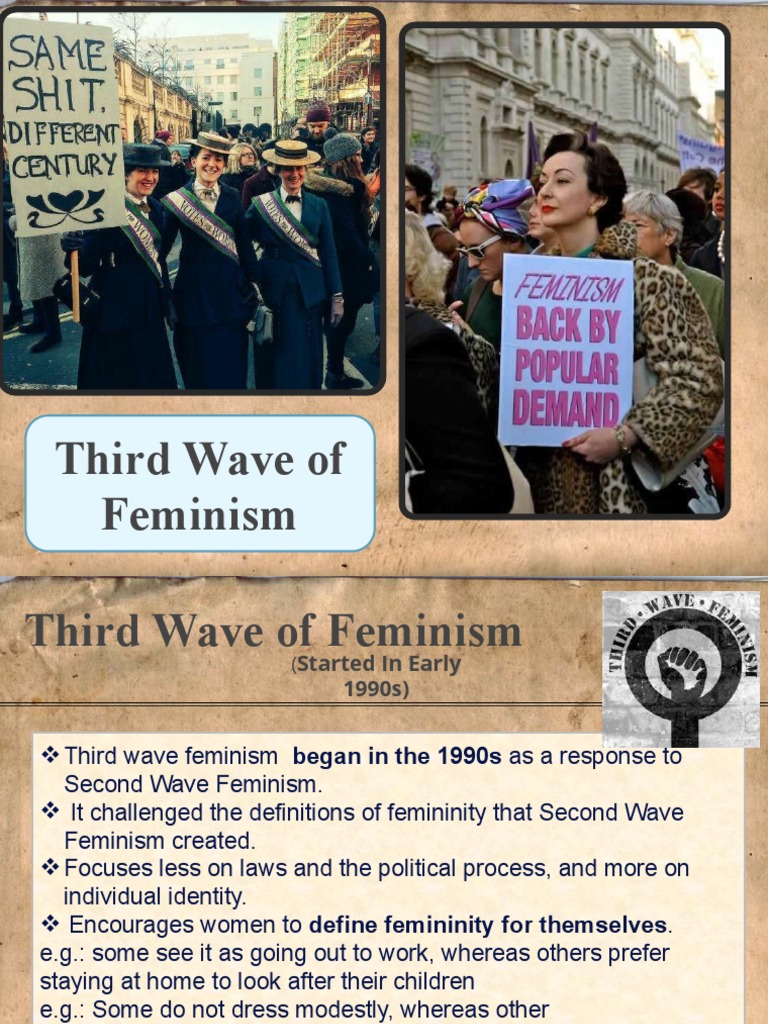
Imagine a world where women were relegated to the domestic sphere, their voices stifled, their intellect dismissed. I know, it’s a grotesque image, but this was the reality against which the suffragettes raged. The first wave, primarily concerned with securing basic legal and political rights, was a revolt against this suffocating paradigm. Think corsets, both literal and metaphorical. It was a period defined by a desperate yearning for enfranchisement, the right to vote, a symbolic key to unlocking broader societal participation. They sought recognition as autonomous beings, capable of rational thought and civic responsibility.
The movement’s core tenets centered on achieving legal equality. Property rights, access to education, and the dismantling of discriminatory laws were all prime targets. Organizations like the National Woman Suffrage Association and the Women’s Social and Political Union (WSPU) employed a variety of tactics, from peaceful protests and lobbying to more radical acts of civil disobedience. We’re talking hunger strikes, property damage, and relentless campaigning. These women, deemed hysterical and unladylike by their detractors, were the vanguard, paving the way for future generations to challenge the status quo.
But, and this is a crucial but, the first wave was not without its limitations. The movement was largely dominated by middle-class, white women, and their concerns often overshadowed the needs of women of color and working-class women. The fight for suffrage, while essential, did not address the complex intersections of race, class, and gender. This inherent bias would become a point of contention in later waves.
Second Wave: Beyond the Ballot – Liberation and Identity (1960s-1980s)
The second wave roared onto the scene with a broader agenda, fueled by the social and political upheaval of the 1960s. It was a time of challenging established norms, questioning authority, and demanding radical change. This wave expanded the definition of feminism beyond mere legal equality, delving into the murky waters of social and cultural inequalities. The personal became political, and issues like reproductive rights, domestic violence, and workplace discrimination took center stage.
The publication of Betty Friedan’s “The Feminine Mystique” in 1963 ignited a firestorm of recognition. The book exposed the “problem that has no name,” the pervasive dissatisfaction and unfulfilled potential of women trapped in the confines of suburban domesticity. This resonated deeply with countless women, sparking a collective awakening and a desire to break free from the prescribed roles society had assigned them. The movement saw the rise of radical feminism, which critiqued the patriarchal structures that permeated every aspect of society, from family dynamics to political institutions.
Think Gloria Steinem, bell hooks, and countless other trailblazers who dared to challenge the male gaze and demand autonomy over their bodies and lives. The second wave witnessed the establishment of women’s health centers, shelters for battered women, and the fight for equal pay. It was a period of intense activism, consciousness-raising groups, and the relentless pursuit of liberation. However, the second wave, like its predecessor, faced criticisms for its tendency to prioritize the experiences of white, middle-class women. The voices of women of color and working-class women often remained marginalized, leading to internal divisions and a call for a more inclusive feminism.
Third Wave: Intersectionality and Individual Agency (1990s-2010s)
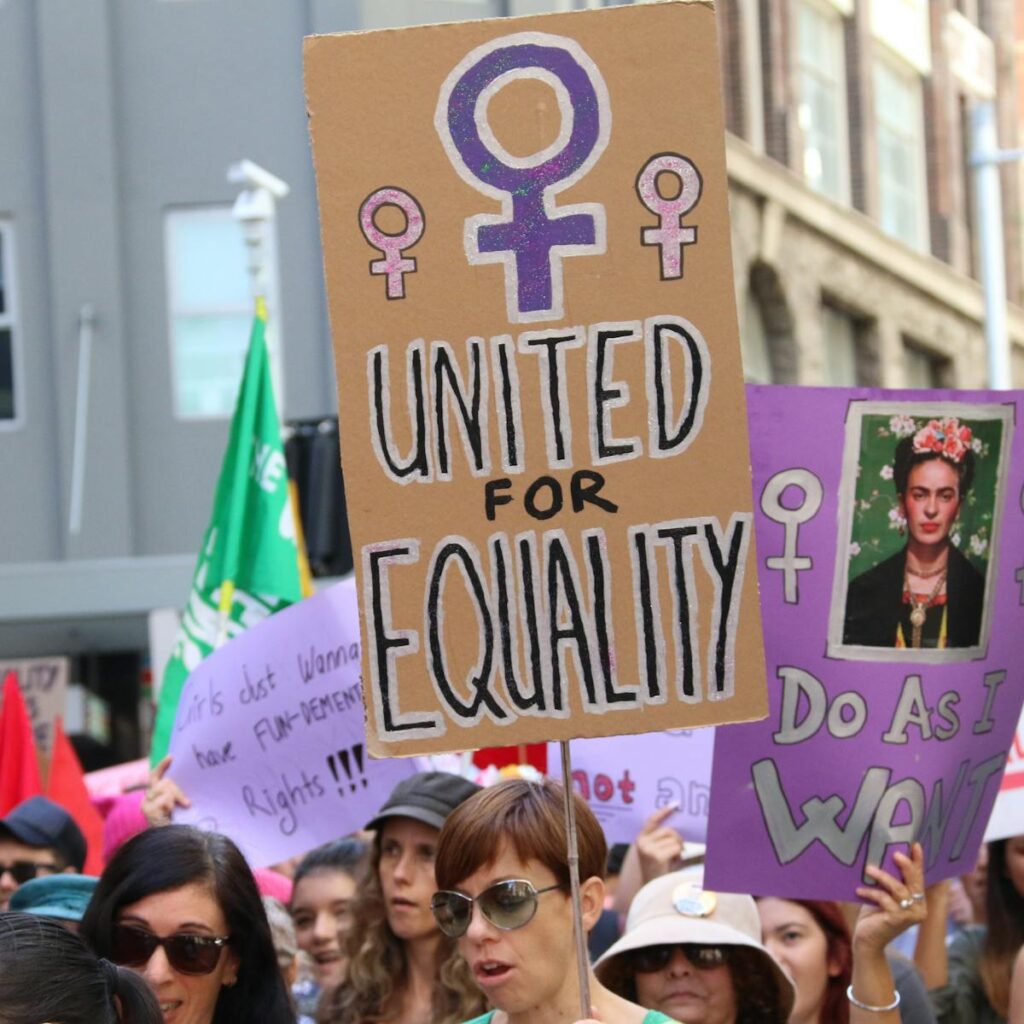
The third wave, born from the ashes of the second, embraced intersectionality, recognizing that gender oppression is inextricably linked to other forms of oppression, such as race, class, sexuality, and disability. This wave challenged the monolithic definition of “woman” and celebrated the diversity of female experiences. Riot grrrl bands, zines, and the internet became powerful tools for self-expression and activism. Third-wavers reclaimed derogatory terms like “slut” and “bitch,” challenging the patriarchal narratives that sought to control and shame women’s sexuality.
This wave moved away from a centralized, hierarchical structure, embracing a more decentralized and individualistic approach to activism. It emphasized personal empowerment, self-definition, and the right to choose one’s own path. The third wave also grappled with the complexities of consumer culture and the impact of media representations on women’s self-image. While celebrating individual agency, it also recognized the pervasive influence of societal norms and the need to challenge systemic inequalities.
The rise of online feminism and the use of social media for activism became hallmarks of this era. However, the third wave also faced criticism for its perceived lack of focus and its tendency to prioritize individual expression over collective action. Some argued that it diluted the radicalism of previous waves and became overly focused on personal identity politics.
Fourth Wave: Digital Activism and Global Solidarity (2010s-Present)
We are now riding the crest of the fourth wave, fueled by the power of the internet and the pervasive reach of social media. This wave is characterized by its focus on intersectionality, digital activism, and global solidarity. The #MeToo movement, a watershed moment in the fight against sexual harassment and assault, exemplified the power of collective action and the ability of social media to amplify marginalized voices. The fourth wave is also tackling issues like online misogyny, cyberbullying, and the digital divide.
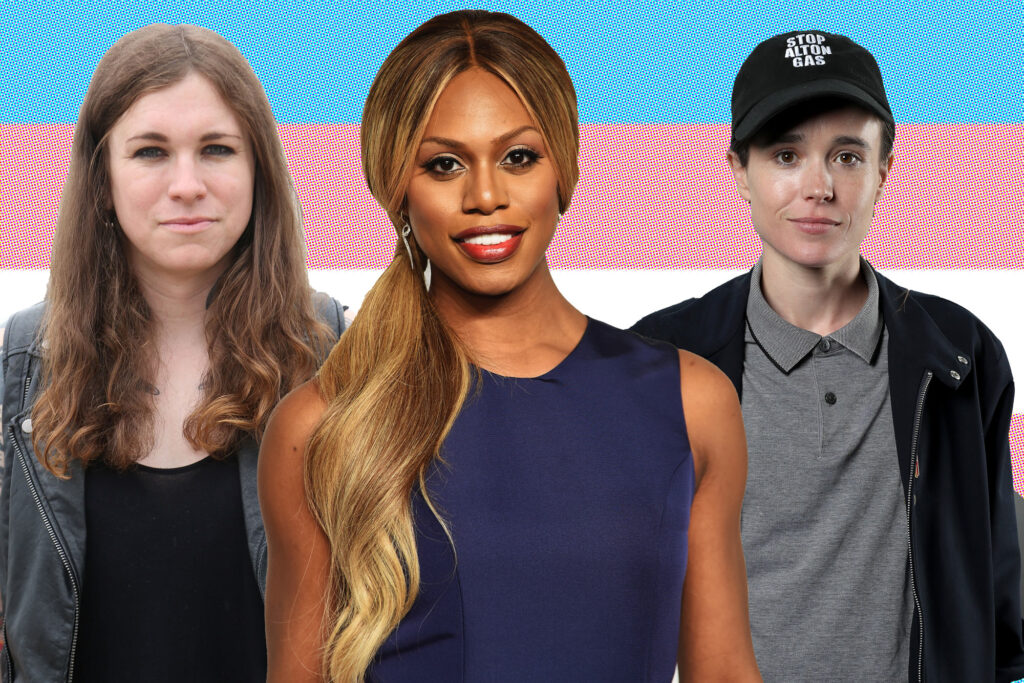
This wave embraces a fluid and inclusive definition of feminism, recognizing the importance of centering the experiences of marginalized groups, including women of color, LGBTQ+ individuals, and disabled women. It challenges the gender binary and celebrates the diversity of gender identities and expressions. The fourth wave also emphasizes the importance of allyship and encourages men to actively participate in the fight for gender equality. This wave is characterized by its global reach, connecting activists and movements across borders and fostering a sense of shared struggle.
However, the fourth wave is not without its challenges. The anonymity of the internet can embolden perpetrators of online abuse, and the spread of misinformation and disinformation can undermine feminist goals. The commercialization of feminism and the co-opting of feminist language by corporations can also dilute its radical potential. The echo chamber effect of social media can reinforce existing biases and limit exposure to diverse perspectives. Despite these challenges, the fourth wave represents a powerful force for change, harnessing the power of technology and collective action to dismantle patriarchal structures and create a more just and equitable world.
Beyond the Waves: A Constant Evolution
The wave metaphor, while helpful for understanding the historical trajectory of feminism, is not without its limitations. It can create a sense of linear progression, implying that each wave is a distinct and self-contained entity. In reality, the waves overlap and intertwine, with each building upon the foundations laid by its predecessors. The concerns and issues raised in earlier waves continue to resonate today, and the fight for gender equality remains an ongoing and evolving process.
Furthermore, the wave metaphor can obscure the diversity of feminist perspectives and the internal debates within the movement. Feminism is not a monolithic ideology, but rather a complex and multifaceted body of thought and action. Different feminists hold different views on a wide range of issues, and there is often disagreement about the best strategies for achieving gender equality. It’s vital that we remember that. It’s all interconnected.
The real question is, are you ready to join the current? Are you prepared to challenge the status quo, to dismantle the systems of oppression, and to create a world where all genders are truly equal? Because the fight, my dears, is far from over. The revolution is now, and it requires your voice, your action, and your unwavering commitment to justice. Now go forth and raise some hell.




Leave a Comment