
For too long, the narrative of feminism has been fragmented, misinterpreted, even weaponized against itself. Dismissed as a monolithic entity, it’s time we acknowledge the powerful, multifaceted reality of its evolution: the waves of feminism. These aren’t just chronological markers; they are dynamic swells, each cresting with unique demands and resonating with the shifting socio-political tides.
Think of it as a palimpsest, an ancient parchment where layer upon layer of script has been inscribed. Each ‘wave’ doesn’t erase the previous one; instead, it builds upon it, revealing new depths and complexities. We must interrogate this history, not as a linear progression, but as an ongoing dialogue, a constant negotiation of power and liberation.
The goal here isn’t to offer a sterile, academic dissection. We’re dismantling, interrogating, and reclaiming a history that has been too often curated by those who benefit from our continued subjugation. Buckle up, sisters; we’re diving deep.
I. The First Wave: Suffrage and the Seeds of Dissent (Late 19th – Early 20th Century)
The primordial surge. The first wave, crashing against the shores of entrenched patriarchal power, was defined primarily by the struggle for suffrage. It was about enfranchisement, the right to vote, the most basic tool of democratic participation. These women, often caricatured as humorless spinsters, were the vanguards. They dared to challenge the very notion that a woman’s place was solely in the domestic sphere. They were forging a pathway, brick by painful brick, towards political agency.
But let’s not romanticize this genesis. The first wave, while monumental, was far from intersectional. Its focus remained largely on the concerns of white, middle-class women. The voices of women of color, working-class women, and queer women were often marginalized, drowned out by the dominant narrative. This is a crucial caveat, a chasm in the foundation that we must acknowledge and actively redress.
Imagine the sheer audacity of demanding a voice in a world that had systematically silenced them for centuries! The sheer, unwavering determination! These women understood that political power, however limited, was a crucial lever for change. They picketed, they marched, they endured imprisonment and ridicule, all for the fundamental right to be heard.
The legacy of the first wave is undeniable. It laid the groundwork for future struggles, establishing a precedent for organized feminist activism and demonstrating the power of collective action. However, it also revealed the inherent limitations of a movement that failed to fully embrace the diversity of female experience.
II. The Second Wave: Liberation and the Personal as Political (1960s – 1980s)
The second swell, born from the crucible of the Civil Rights movement and the anti-war protests, was far more radical, more expansive. It transcended the narrow focus on suffrage and delved into the deeper, more insidious structures of patriarchy. This wave declared that the personal is political. It challenged societal norms surrounding sexuality, reproduction, and the division of labor.
Think Betty Friedan’s “The Feminine Mystique,” a seismic text that shattered the myth of the happy housewife. Think Gloria Steinem, a charismatic leader who championed reproductive rights and equality in the workplace. These women, and countless others, dared to question the very fabric of our social order.
This era saw the rise of consciousness-raising groups, spaces where women could gather and share their experiences, recognizing the systemic nature of their oppression. It was a period of intense intellectual ferment, fueled by feminist theory that sought to deconstruct the power dynamics that perpetuated inequality. Concepts like “the male gaze” and “patriarchal structures” entered the lexicon, providing a framework for understanding the complexities of gender-based oppression.
However, the second wave, like its predecessor, was not without its flaws. It continued to be dominated by the perspectives of white, middle-class women, often overlooking the unique challenges faced by women of color and working-class women. The focus on individual liberation sometimes overshadowed the need for collective action and systemic change.
And let us not forget the backlash. The anti-feminist movement gained momentum, fueled by fear and resentment of women’s increasing power and autonomy. This resistance serves as a stark reminder that progress is never guaranteed and that vigilance is essential.
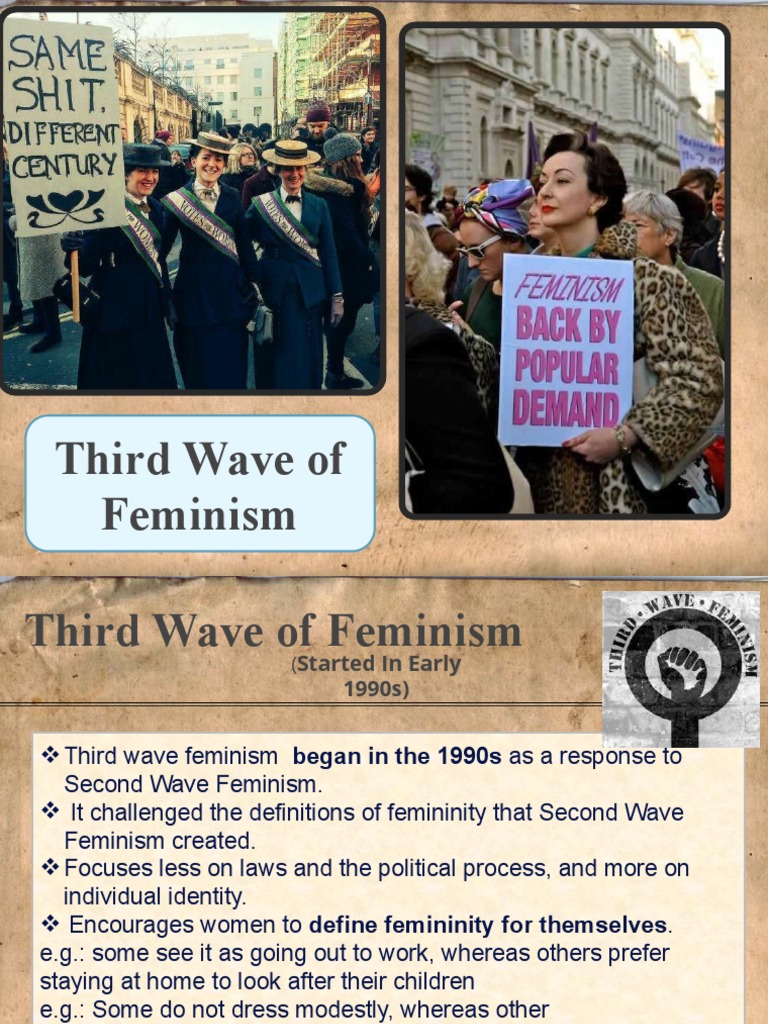
III. The Third Wave: Intersectionality and the Embrace of Difference (1990s – 2000s)
A tempestuous confluence. The third wave, crashing onto the scene in the 1990s, was characterized by a renewed emphasis on intersectionality, recognizing that gender is inextricably linked to other forms of identity, such as race, class, sexuality, and disability. It was a rejection of the monolithic “woman” of previous waves, embracing the diversity and complexity of female experience.
This wave saw the rise of Riot Grrrl, a punk feminist movement that used music and art to express anger and frustration with patriarchal norms. It embraced technology and the internet, creating online spaces for feminist activism and community building. It challenged traditional notions of femininity, celebrating self-expression and challenging beauty standards.
The third wave also grappled with the complexities of power and privilege within the feminist movement itself. It called for greater accountability and inclusivity, demanding that white feminists acknowledge their own complicity in perpetuating systems of oppression.
Think of Kimberlé Crenshaw, whose work on intersectionality provided a crucial framework for understanding the interconnectedness of social identities and the ways in which they shape individual experiences. Think of bell hooks, whose writings on race, class, and gender challenged the exclusionary practices of mainstream feminism.
While the third wave made significant strides in promoting inclusivity and embracing diversity, it also faced criticism for its lack of a clear, unified agenda. Some argued that its focus on individual expression and identity politics detracted from the larger goal of systemic change.
IV. The Fourth Wave: Digital Activism and the Call for Justice (2010s – Present)
The tsunami of today. The fourth wave, propelled by the power of social media, is characterized by its global reach and its focus on issues such as sexual harassment, rape culture, and online misogyny. It is a decentralized, networked movement, fueled by hashtag activism and online communities.
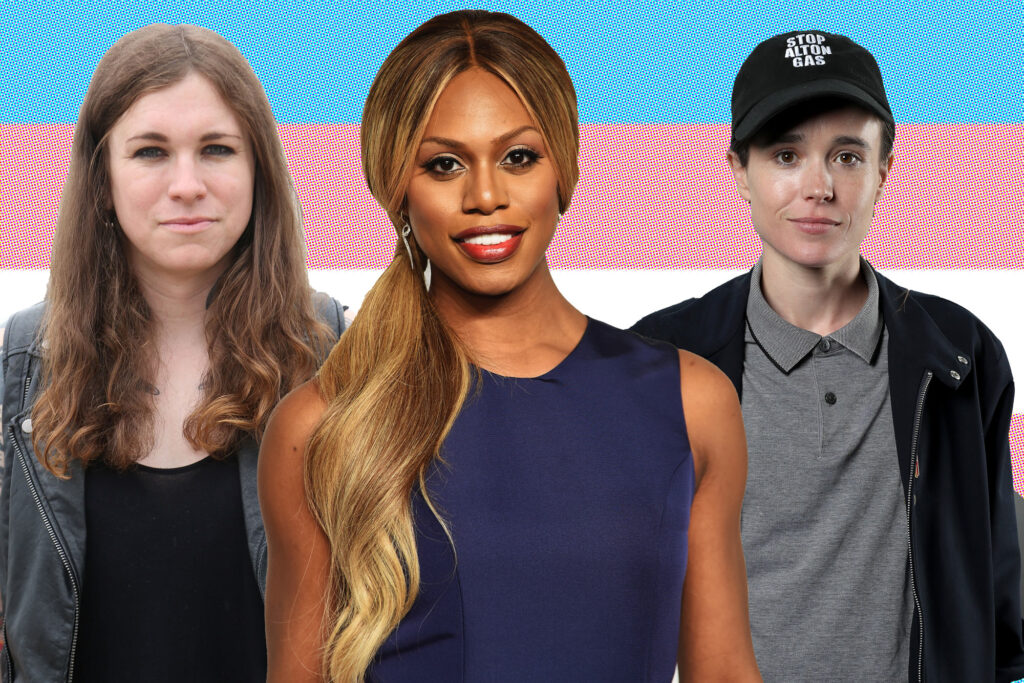
Think of the #MeToo movement, a watershed moment that brought widespread attention to the pervasive problem of sexual harassment and assault. Think of the activism surrounding issues like reproductive rights, trans rights, and climate justice. The fourth wave is a force to be reckoned with, using technology to amplify marginalized voices and demand accountability.
This wave is also marked by a growing awareness of the importance of allyship and the need to dismantle systems of power that perpetuate inequality. It is a movement that is constantly evolving, adapting to the changing landscape of technology and social media.
However, the fourth wave also faces challenges. The very tools that empower it can also be used to silence and harass women online. The spread of misinformation and disinformation poses a threat to feminist activism and the pursuit of justice.
The ease of online activism can sometimes lead to performative allyship, where individuals express support for feminist causes without taking meaningful action. It is crucial to distinguish between genuine commitment and superficial gestures.
V. Beyond the Waves: A Sea of Possibilities
The metaphor of “waves” has served us well, providing a framework for understanding the evolution of feminism. But perhaps it’s time to move beyond this imagery and embrace a more fluid, interconnected understanding of feminist activism. Think of the ocean itself, a vast and dynamic ecosystem where different currents and tides interact, creating a complex and ever-changing landscape.
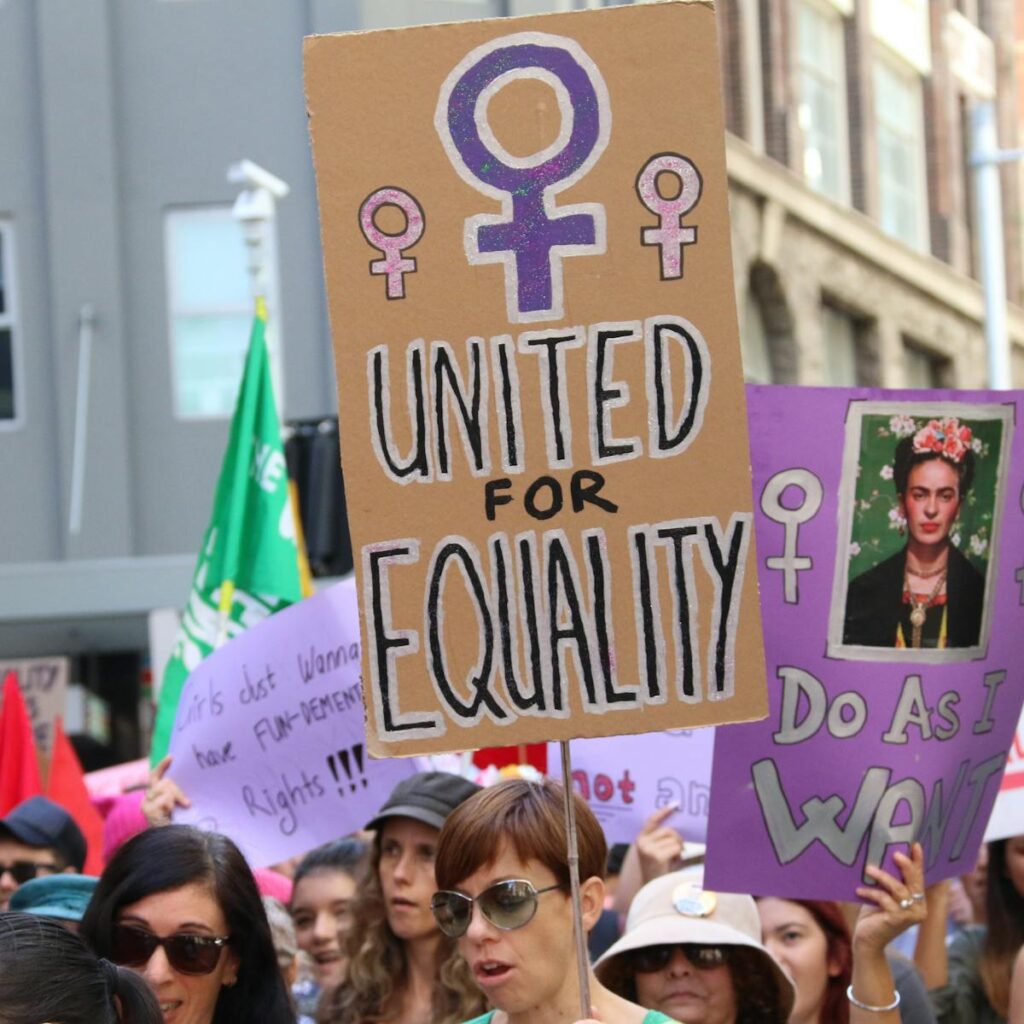
The future of feminism lies in embracing intersectionality, building bridges across differences, and working collectively to dismantle systems of oppression. It requires us to listen to marginalized voices, challenge our own biases, and commit to ongoing learning and growth.
It demands that we move beyond simply identifying problems and actively work to create solutions. This requires engaging in political action, supporting feminist organizations, and advocating for policies that promote equality and justice.
It necessitates a radical reimagining of our social, political, and economic structures. A world where gender equality is not just a slogan, but a lived reality. A world where all individuals, regardless of their gender identity, have the opportunity to thrive and reach their full potential.
The journey is far from over. The fight for gender equality is an ongoing struggle, a constant negotiation of power and liberation. But by understanding the history of feminism, embracing its diversity, and working together, we can create a future where all voices are heard and all lives are valued.
So, let’s not just ride the waves. Let’s become the ocean.






Leave a Comment