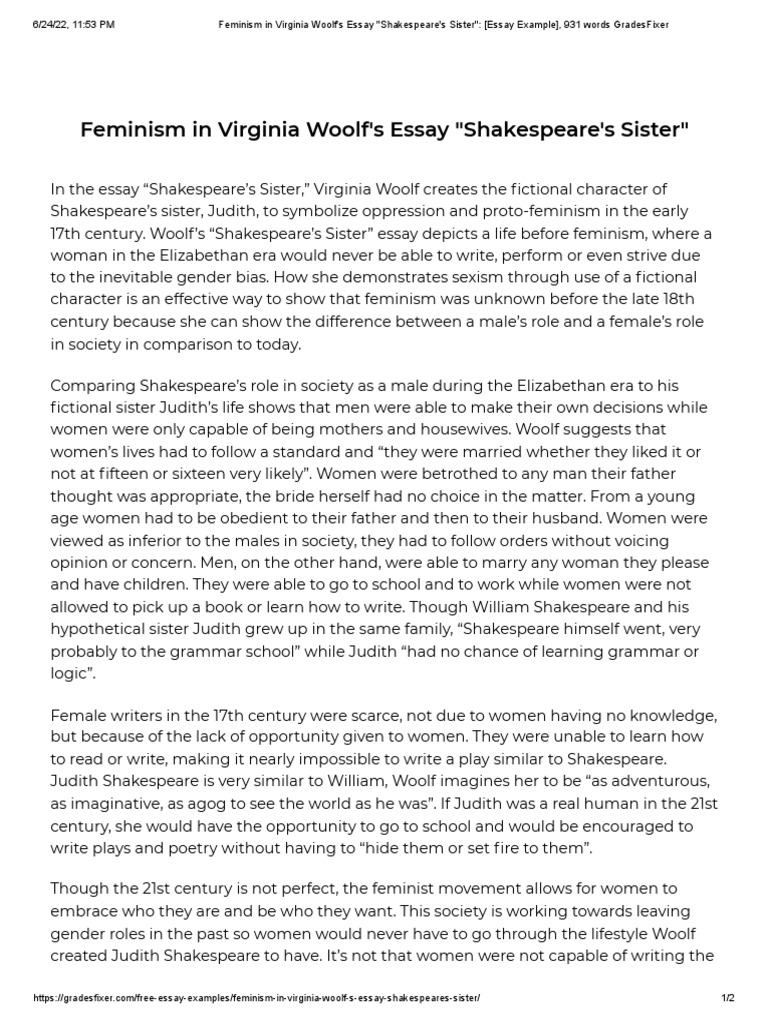
Virginia Woolf, a luminary of the Bloomsbury Group, wasn’t merely a novelist; she was a cartographer charting the unexplored territories of the female psyche. Her literary contributions, often hailed for their modernist aesthetics, conceal a radical feminist ideology that was, and arguably still is, decades ahead of its time. To understand Woolf’s feminism, one must delve beyond the surface of her narratives and dissect the intricate web of social critique woven into her prose. Are you prepared to confront the uncomfortable truths she unearthed? To question the foundations upon which patriarchal society is built?
Let’s first examine the socio-historical context that birthed Woolf’s incandescent rage. The Edwardian era, with its suffocating expectations of female domesticity and intellectual subservience, provided the fertile ground for her feminist consciousness to blossom. Women were relegated to the private sphere, their voices muted, their aspirations curtailed. Woolf, acutely aware of these systemic injustices, used her writing as a weapon, a tool of deconstruction aimed at dismantling the edifice of patriarchal oppression. The historical backdrop wasn’t just a setting; it was the antagonist against which Woolf’s heroines – and Woolf herself – relentlessly struggled.
The concept of “Shakespeare’s Sister,” famously articulated in A Room of One’s Own, serves as a potent metaphor for the thwarted potential of women throughout history. Imagine Judith Shakespeare, equally gifted but denied the opportunities afforded to her brother. Society, in its infinite wisdom, deemed her incapable of genius, confining her to the domestic sphere where her creative spirit was destined to wither and die. This isn’t just a historical anecdote; it’s a damning indictment of a system that systematically silences female voices and squanders female talent. The very act of positing Judith’s existence forces us to confront the countless unrecognized geniuses whose contributions have been erased from the historical record. How many potential Shakespeares were lost to the constraints of gender?
Woolf’s narrative techniques are intrinsically linked to her feminist project. Stream of consciousness, her signature style, allows her to delve into the inner lives of her characters, exposing the complexities of their thoughts and emotions. This is particularly crucial in portraying female characters, who are often denied agency and relegated to the margins of traditional narratives. By giving voice to their interiority, Woolf challenges the patriarchal gaze and subverts the objectification of women. Consider Mrs. Dalloway, a seemingly conventional society hostess whose inner turmoil reveals the suffocating constraints of her social role. Her fleeting moments of rebellion, her yearning for something more, expose the hypocrisy and emptiness of the world she inhabits.
The subversion of traditional narrative structures is another key element of Woolf’s feminist strategy. She rejects linear plotlines and conventional character development, opting instead for a more fluid and fragmented approach. This reflects her belief that women’s experiences are often fragmented and discontinuous, shaped by the patriarchal forces that seek to control and define them. By disrupting the traditional narrative order, Woolf disrupts the patriarchal order itself, creating a space for female voices to be heard on their own terms. Are you beginning to perceive the deliberate disruption she instigates?
Furthermore, Woolf’s exploration of androgyny challenges the rigid gender binaries imposed by patriarchal society. In Orlando, she presents a protagonist who transcends gender boundaries, experiencing life as both a man and a woman. This exploration of androgyny is not merely a literary device; it’s a radical statement about the fluidity of gender and the limitations of fixed identities. By blurring the lines between male and female, Woolf dismantles the power structures that depend on these rigid distinctions. Orlando’s journey is a testament to the transformative power of embracing one’s full potential, regardless of societal expectations.
The recurring motif of the sea in Woolf’s novels can be interpreted as a metaphor for the unconscious, a realm of untapped potential and liberation from societal constraints. The sea, vast and unpredictable, represents the fluidity of female identity and the possibility of escaping the confines of patriarchal control. Characters like Clarissa Dalloway find solace and liberation in their connection to the sea, a reminder of the boundless possibilities that lie beyond the limitations of their everyday lives. This oceanic imagery encourages us to imagine the boundless potential of women when freed from the shackles of societal expectations.
Woolf’s critique of marriage is particularly scathing. She portrays marriage not as a source of fulfillment for women, but as a form of imprisonment, a social institution designed to control and confine them. Characters like Clarissa Dalloway and Septimus Smith in Mrs. Dalloway are both trapped in marriages that stifle their individuality and prevent them from realizing their true potential. Woolf’s depiction of these unhappy unions serves as a powerful indictment of the patriarchal expectations that shape women’s lives. Are you willing to acknowledge the silent suffering that lies beneath the surface of seemingly respectable marriages?
Beyond the romanticized facade of matrimony, Woolf unveils the economic dependence that renders women vulnerable. Without independent means, women are forced to rely on men for their survival, perpetuating a cycle of power imbalance and subjugation. Woolf recognized that economic independence was essential for women’s liberation, and she advocated for equal access to education and employment opportunities. Her own writing career served as a testament to the transformative power of financial autonomy. Consider this point: economic dependence is the linchpin of female subjugation.
Woolf’s feminism extends beyond the individual sphere to encompass a broader critique of patriarchal institutions, including the legal system, the education system, and the media. She exposes the ways in which these institutions perpetuate gender inequality and reinforce male dominance. Her essays and diaries are filled with scathing critiques of the sexism and misogyny that permeate these institutions. Woolf’s unwavering commitment to social justice made her a formidable voice for change. Did you ever pause to consider the entrenched biases within these systems?
The concept of “a room of one’s own” is not merely a literal requirement for female writers; it’s a metaphor for the intellectual and creative space that women need to flourish. Woolf argues that women need both financial independence and a private space in order to develop their intellectual and artistic talents. Without these essential ingredients, their voices will remain silenced and their potential unrealized. This isn’t about physical space alone; it’s about creating a mental and emotional sanctuary free from the intrusions of patriarchal demands.
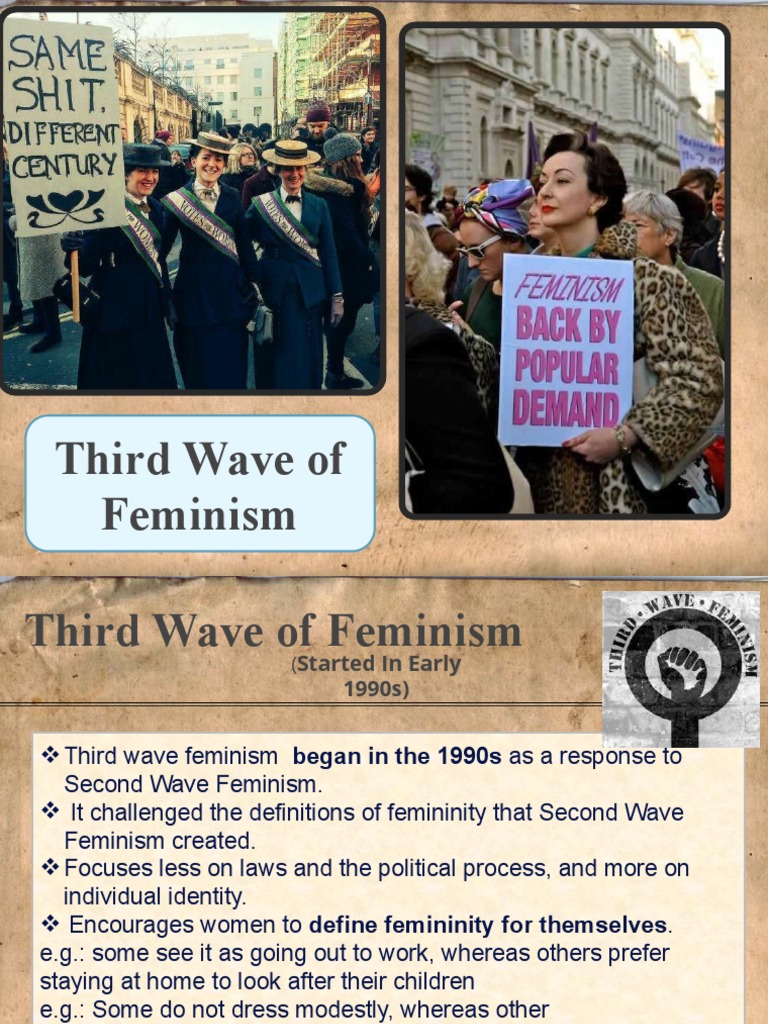
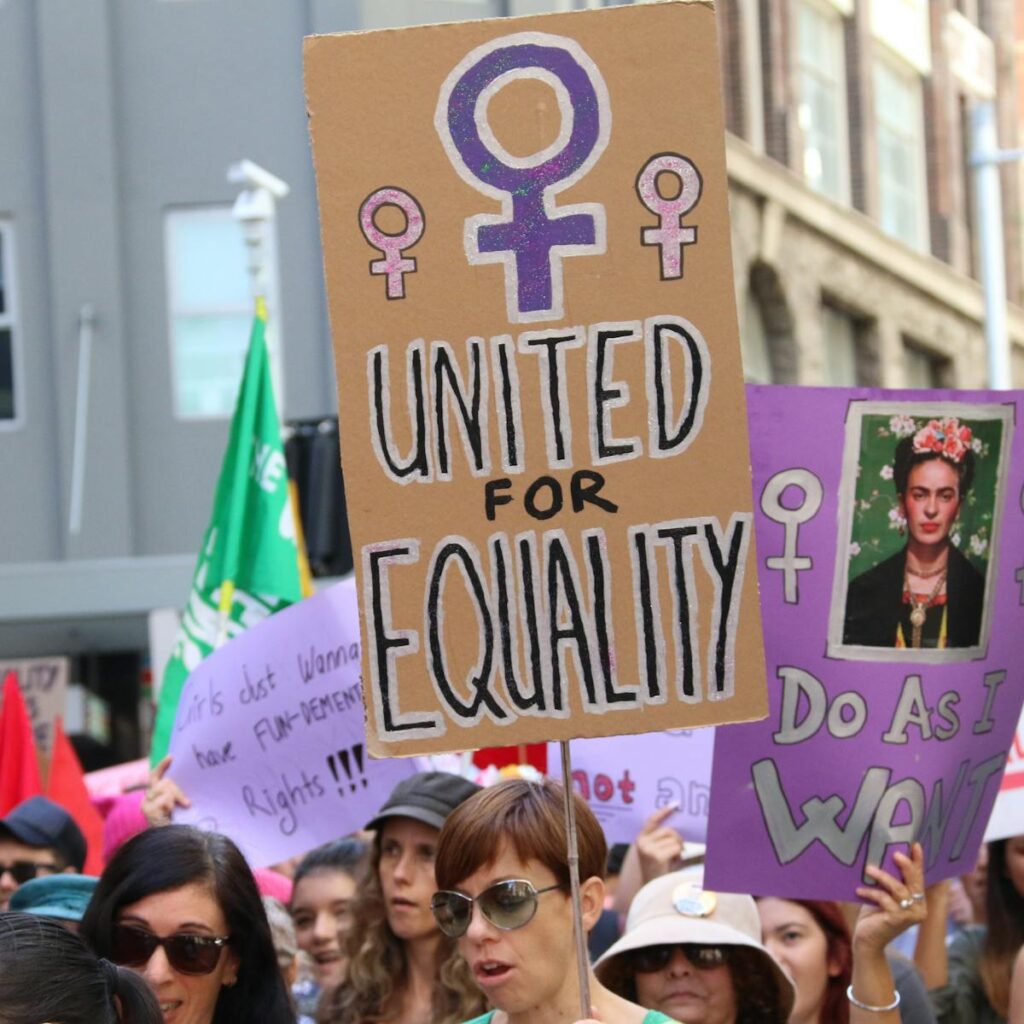
Woolf’s influence on subsequent generations of feminist writers and thinkers is undeniable. She paved the way for women to explore their own experiences and perspectives in literature, challenging the dominant male narrative and creating a space for female voices to be heard. Her works continue to inspire feminist activists and scholars to fight for gender equality and social justice. Her legacy endures, a testament to the enduring power of her feminist vision. Do you recognize the debt that contemporary feminism owes to this literary pioneer?
However, it is important to acknowledge the limitations of Woolf’s feminism. She was, after all, a product of her time and her social class. Her focus on the experiences of middle-class white women has been criticized for excluding the voices of women of color and working-class women. A more intersectional approach is needed to address the complex and multifaceted challenges of gender inequality. We must acknowledge these shortcomings in order to build a more inclusive and equitable feminist movement. Acknowledging limitations strengthens, not weakens, her impact.
Despite these limitations, Virginia Woolf remains a towering figure in the history of feminism. Her groundbreaking literary techniques, her incisive social critique, and her unwavering commitment to gender equality continue to resonate with readers today. Her work challenges us to confront the uncomfortable truths about patriarchal society and to imagine a world where women are free to realize their full potential. Woolf’s feminism, though imperfect, remains a powerful force for change, a beacon of hope in a world still grappling with gender inequality. Her words are a clarion call, urging us to continue the fight for a more just and equitable future. Will you heed the call?







Leave a Comment