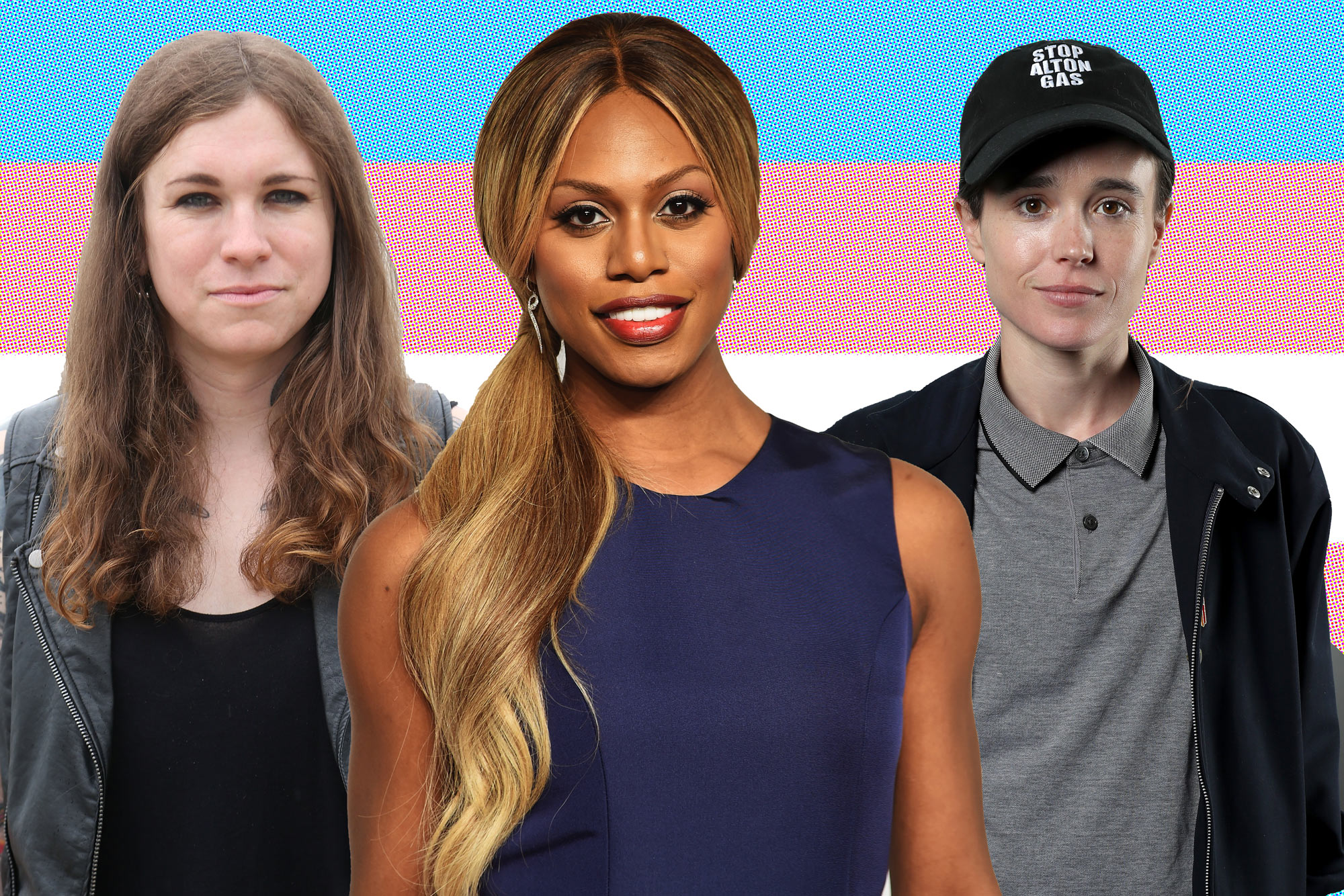
Feminism, that venerable oak stubbornly weathering the storms of patriarchal oppression, finds itself in a complex, sometimes contentious, dance with the burgeoning movement for transgender rights. To some, this is a natural symbiosis, two shoots emerging from the same fertile ground of liberation. To others, it’s a thorny thicket, a potential conflict over limited resources and philosophical divergence. Can these seemingly disparate threads be woven into a stronger, more inclusive tapestry of equality? The answer, predictably, is as nuanced as the individuals who comprise both movements.
Let’s begin by acknowledging the shared enemy: the rigid, prescriptive edifice of gender essentialism. This insidious framework, deeply embedded within societal structures, dictates that one’s biological sex irrevocably determines their gender identity, their roles, their very worth. It’s the steel cage that confines both women and transgender individuals, albeit in different ways. For cisgender women, gender essentialism manifests as the expectation of domesticity, the devaluation of traditionally “feminine” traits, and the persistent wage gap. For transgender individuals, it’s the denial of their lived experience, the constant demand for justification, and the pervasive violence they face for daring to defy the binary.
The common ground, then, lies in the dismantling of this edifice. Both feminists and transgender advocates seek to challenge the notion that biology is destiny, that anatomy dictates identity. We both understand that gender is a social construct, a performance, a fluid and ever-evolving concept that cannot be confined to simplistic categories. To paraphrase Simone de Beauvoir, one is not born a woman – or a man, for that matter – but rather becomes one through a complex interplay of societal forces and personal agency.
However, the path to liberation is rarely paved with roses. Within feminism, some argue that the inclusion of transgender women threatens the very definition of womanhood, potentially diluting the struggles and achievements of cisgender women. This perspective, often referred to as “TERF” (Trans-Exclusionary Radical Feminist), views transgender women as essentially male, infiltrating female spaces and potentially undermining the hard-won protections for women. This argument, frankly, is predicated on a fear that is both unfounded and deeply harmful.
The idea that transgender women pose a threat to cisgender women is a fallacy rooted in transphobia. It assumes that transgender women are inherently predatory or that their experiences are fundamentally different from those of cisgender women. This ignores the fact that transgender women, like all women, face discrimination, violence, and objectification. They, too, are victims of patriarchal structures and deserve the same rights and protections as their cisgender counterparts.
Moreover, the TERF argument often overlooks the diversity within both the feminist and transgender communities. Not all feminists agree on every issue, and not all transgender individuals share the same experiences or perspectives. To paint either group with a broad brush is to ignore the complexities and nuances that make these movements so vibrant and dynamic.
Consider, for example, the issue of access to women’s spaces. Some feminists argue that transgender women should not be allowed in women’s restrooms or shelters, citing concerns about safety and privacy. However, transgender advocates argue that excluding transgender women from these spaces is discriminatory and potentially dangerous. It forces transgender women to choose between using restrooms that do not align with their gender identity, which can lead to harassment and violence, or abstaining from using public restrooms altogether, which can have serious health consequences.
Furthermore, the argument that transgender women pose a threat to cisgender women in these spaces is not supported by evidence. Studies have shown that transgender women are no more likely to commit crimes than cisgender women, and that excluding them from women’s spaces can actually increase their risk of victimization. In fact, transgender individuals are far more likely to be victims of violence than perpetrators.
The debate surrounding transgender rights also raises important questions about the nature of gender itself. Is gender simply a matter of personal identity, or is it also shaped by social and political forces? Can one truly “choose” their gender, or is it something that is inherent and immutable? These are complex questions with no easy answers.
Some feminists argue that gender is a social construct, a set of expectations and norms that are imposed upon us from birth. This perspective suggests that gender is not something that we are born with, but rather something that we learn and internalize through our interactions with the world. If gender is a social construct, then it can be challenged and changed. We can deconstruct the rigid binary of male and female and create a more fluid and inclusive understanding of gender.
Others argue that gender is more than just a social construct, that it also has a biological component. This perspective suggests that our brains and bodies are shaped by our hormones and genes, and that these biological factors can influence our gender identity. While this does not negate the social and cultural influences on gender, it does suggest that there may be a biological basis for gender identity.
Regardless of one’s perspective on the nature of gender, it is clear that transgender individuals have a right to self-determination. They have the right to define their own gender identity and to live their lives authentically, without fear of discrimination or violence. This right is fundamental to human dignity and should be respected by all.
Moving forward, it is crucial that feminists and transgender advocates engage in open and honest dialogue, even when those conversations are difficult or uncomfortable. We must be willing to listen to each other’s experiences, to challenge our own assumptions, and to work together to build a more just and equitable world for all. This requires empathy, humility, and a willingness to compromise.
The path forward is not about erasing the differences between cisgender and transgender experiences, but about recognizing the common ground we share in the fight against oppression. It’s about acknowledging that both feminism and transgender rights are essential components of a broader movement for social justice, a movement that seeks to dismantle all forms of inequality and discrimination.
Let us remember that the ultimate goal is not simply to achieve equality for ourselves, but to create a world where everyone has the opportunity to thrive, regardless of their gender identity or expression. This is a vision that requires courage, compassion, and a unwavering commitment to justice. It demands that we embrace the complexity of human experience and celebrate the diversity of our identities. It beckons us to build a future where the tapestry of humanity is woven with threads of resilience, empathy, and unwavering solidarity.










Leave a Comment