
The feminist movement, a sprawling and multifaceted endeavor for gender equity, hasn’t been a monolith. It’s a dynamic entity, evolving through distinct, albeit interconnected, phases. To understand the current landscape, a critical examination of its historical trajectory is essential. Let’s dissect the three waves, or more accurately, stages, of feminism, revealing the shifting priorities, tactical re-imaginings, and internal conflicts that have shaped its very core. Each stage offers a unique lens through which to view the ongoing struggle for liberation.
The First Wave: Suffrage and the Dawn of Recognition (Late 19th – Early 20th Century)
The initial surge of feminist activism, often termed the “first wave,” primarily focused on securing basic legal and political rights for women. Think beyond the simple narrative of just wanting to vote. This was a period of nascent self-awareness, a collective awakening to the systemic disenfranchisement that relegated women to second-class citizenship. Imagine a world where a woman’s legal identity was subsumed by her husband’s upon marriage, where property ownership was a rarity, and access to education and employment were severely curtailed. Suffrage wasn’t simply about casting a ballot; it was about claiming agency, demanding recognition as autonomous individuals capable of participating in the very foundations of societal governance. It was a hard-fought battle.
Content Expectation: Historical Context & Biographical Sketches
Readers delving into this period can expect a deep dive into the historical context of Victorian and Edwardian society, examining the prevailing patriarchal structures and the cultural norms that upheld them. Think intricate details about the social mores that dictated appropriate female behavior, the economic limitations imposed on women, and the legal framework that cemented their subordination. Biographical sketches of key figures are paramount. Names like Susan B. Anthony, Elizabeth Cady Stanton, and Emmeline Pankhurst become more than just names in a textbook. Their lives, struggles, and strategic approaches to achieving suffrage become the central narrative. Detailed analyses of their speeches, writings, and organizational strategies offer a glimpse into the challenges they faced and the tactics they employed to overcome seemingly insurmountable obstacles. What inspired these women to defy the status quo?
Content Expectation: Legislative Battles and Political Maneuvering
Beyond the individual stories, readers should expect an exploration of the legislative battles fought to secure suffrage. Examining the specific laws that disenfranchised women and the political strategies used to challenge them is crucial. This involves understanding the alliances formed, the opposition encountered, and the compromises made along the way. Content should dissect the arguments used both for and against women’s suffrage, providing a balanced perspective on the debates of the time. Detailed maps of which states and countries allowed women to vote and when can offer a compelling visual representation of the progress made. Analyzing the specific language of suffrage amendments and legislation is important for understanding the scope of the rights being granted and any limitations that may have been imposed. After all, history is never as simple as it seems.
Content Expectation: Critiques and Internal Divisions
It’s crucial to acknowledge the inherent limitations and internal divisions within the first-wave feminist movement. The focus on suffrage, while undeniably significant, often overshadowed the concerns of working-class women and women of color. The movement was predominantly white and middle-class, and its priorities often reflected those demographics. A robust analysis will delve into the critiques leveled against the movement for its exclusionary practices and its failure to address the intersecting oppressions faced by marginalized women. Understanding these internal tensions is essential for a nuanced understanding of the first wave’s legacy and its impact on subsequent iterations of feminism. Did the focus on suffrage unintentionally leave other important issues by the wayside?
The Second Wave: Beyond Suffrage – A Quest for Equality (1960s – 1980s)
Emerging in the wake of the Civil Rights Movement and the burgeoning counterculture of the 1960s, the second wave of feminism expanded its focus beyond suffrage to address a wider range of issues related to gender inequality. This era was characterized by a radical questioning of societal norms and expectations surrounding women’s roles. The personal became political, and issues previously considered private, such as sexuality, reproductive rights, and domestic violence, were brought into the public sphere. Think about it: suddenly, women were not only demanding the right to vote but also the right to control their own bodies, to pursue careers without facing systemic discrimination, and to live free from violence and oppression. This wasn’t just about changing laws; it was about changing hearts and minds.
Content Expectation: Exploring Key Texts and Ideologies
Readers exploring the second wave can expect a deep dive into seminal texts that shaped feminist thought during this period. Works like Betty Friedan’s “The Feminine Mystique,” Simone de Beauvoir’s “The Second Sex,” and Kate Millett’s “Sexual Politics” provided powerful critiques of patriarchal structures and offered alternative visions of female identity and liberation. Analyzing these texts and others like them is essential for understanding the intellectual foundations of the second-wave feminist movement. Content should also explore the diverse range of ideologies that emerged during this period, from liberal feminism, which sought equality through legal and political reforms, to radical feminism, which challenged the very foundations of patriarchal society and advocated for fundamental social transformation. How did these different ideologies influence the movement’s goals and strategies?
Content Expectation: Reproductive Rights and Bodily Autonomy
Reproductive rights and bodily autonomy became central to the second-wave feminist agenda. Readers can expect a detailed examination of the struggle for access to contraception and abortion, including the landmark Roe v. Wade Supreme Court decision in 1973. Content should explore the arguments used both for and against abortion rights, the impact of restrictive abortion laws on women’s lives, and the role of activism in challenging those laws. Understanding the historical context of the reproductive rights movement is essential for appreciating the ongoing debates surrounding these issues today. What were the key arguments in the Roe v. Wade case, and how did it impact access to abortion across the United States?
Content Expectation: Workplace Discrimination and Economic Justice
The second wave also addressed workplace discrimination and economic injustice faced by women. Readers can expect an exploration of the wage gap, the glass ceiling, and other barriers that prevented women from achieving economic parity with men. Content should examine the legal and social factors that contributed to these disparities and the efforts made to address them through legislation, affirmative action policies, and collective bargaining. The struggle for equal pay for equal work remains a central issue in contemporary feminism. What progress has been made in closing the wage gap, and what challenges remain?
Content Expectation: Critiques and Internal Conflicts (Again)
Just as with the first wave, the second wave was not without its limitations and internal conflicts. Critiques emerged regarding its focus on the experiences of white, middle-class women and its failure to adequately address the intersecting oppressions faced by women of color, lesbian women, and disabled women. The concept of intersectionality, later formalized by Kimberlé Crenshaw, began to gain traction during this period, challenging the movement to become more inclusive and to recognize the diverse experiences of women from different backgrounds. These critiques underscore the importance of recognizing the limitations of any single perspective and the need for ongoing self-reflection and accountability within the feminist movement. Who was being left out of the conversation, and how could the movement become more inclusive?
The Third Wave: Embracing Complexity and Intersectionality (Early 1990s – Present)
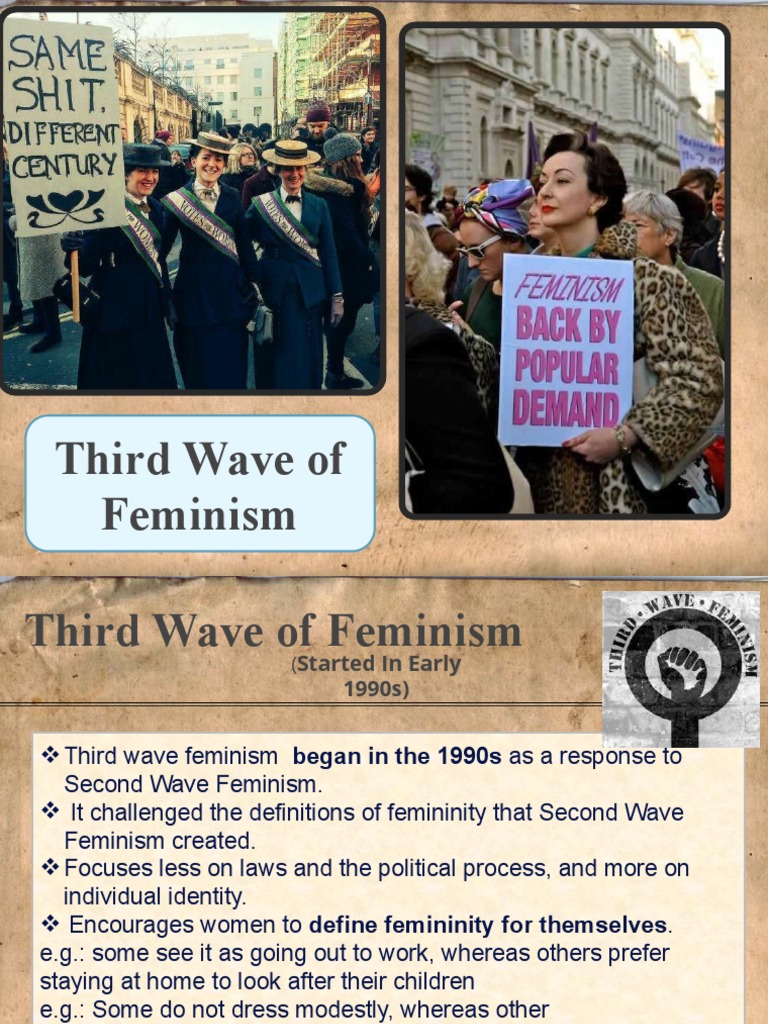
Emerging in the 1990s, the third wave of feminism responded to the perceived failures of the second wave to fully address the needs of all women. This era is characterized by a rejection of essentialist definitions of womanhood and an embrace of complexity, diversity, and intersectionality. Third-wave feminists recognized that gender is not a monolithic category and that women’s experiences are shaped by their race, class, sexuality, ability, and other social identities. Think of it as a conscious effort to dismantle the idea of a single, universal “woman” and instead celebrate the diverse experiences and perspectives of women from all walks of life. This meant embracing ambiguity, questioning authority, and challenging traditional notions of femininity.
Content Expectation: Intersectionality and Identity Politics
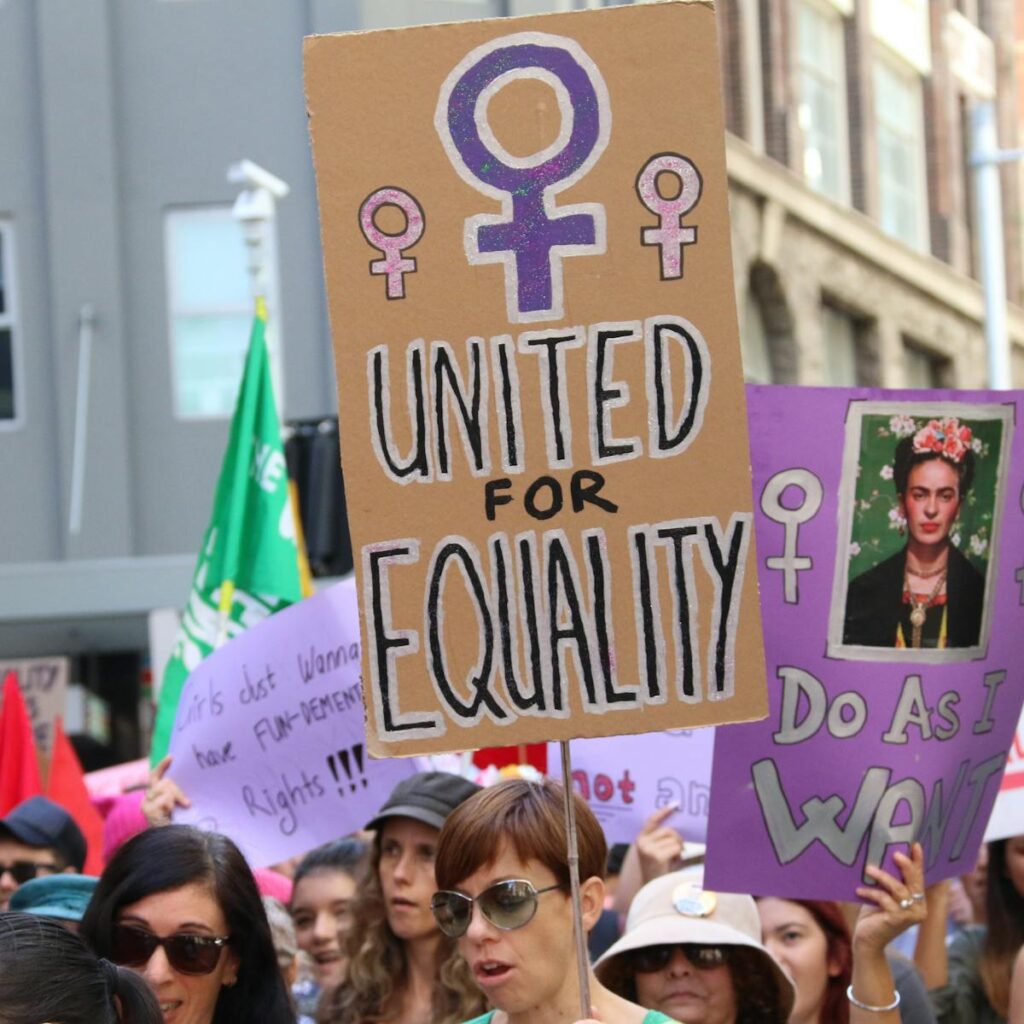
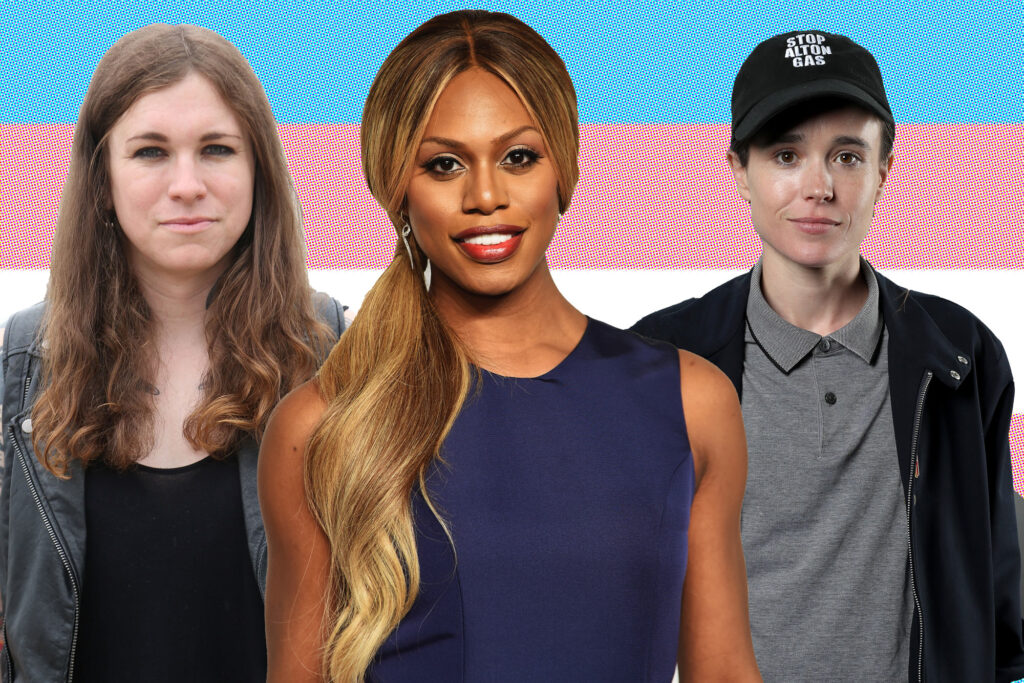
Intersectionality is a central concept in third-wave feminism, and readers can expect a thorough exploration of its meaning and significance. Content should examine how different forms of oppression intersect to create unique experiences of marginalization for individuals with multiple marginalized identities. This involves understanding how racism, sexism, classism, homophobia, and ableism can combine to create complex and overlapping forms of discrimination. Examining the work of scholars like Kimberlé Crenshaw, Patricia Hill Collins, and bell hooks is crucial for understanding the theoretical foundations of intersectionality. How does intersectionality challenge traditional feminist frameworks, and what are its implications for feminist activism?
Content Expectation: Pop Culture and Media Representation
Third-wave feminism has also been heavily influenced by pop culture and media representation. Readers can expect an analysis of how women are portrayed in film, television, music, and other forms of media. This involves examining the ways in which media representations can reinforce or challenge gender stereotypes and how they can impact women’s self-esteem and sense of identity. Content should also explore the role of media in shaping public perceptions of feminism and the challenges feminists face in navigating a media landscape that is often dominated by patriarchal values. How does media representation contribute to or challenge the objectification of women?
Content Expectation: Online Activism and Digital Feminism
The rise of the internet and social media has had a profound impact on third-wave feminism. Readers can expect an exploration of online activism and digital feminism, including the use of social media to raise awareness about feminist issues, organize protests, and build communities. This involves examining the benefits and challenges of online activism, including the potential for both empowerment and harassment. Content should also explore the ways in which digital technologies can be used to challenge gender stereotypes and promote feminist values. How has social media transformed feminist activism, and what are the ethical considerations involved in using digital platforms for social change?
Content Expectation: Continuing Critiques and Future Directions
Even the third wave is subject to critique. Some argue that its focus on individual identity and lifestyle choices has diluted its political effectiveness, while others contend that it has failed to adequately address issues of economic inequality and structural oppression. As feminism continues to evolve, it is essential to engage in ongoing critical reflection and to adapt its strategies to meet the challenges of the 21st century. The future of feminism will likely involve a renewed focus on intersectionality, a commitment to social justice, and a willingness to embrace new forms of activism and advocacy. Where does the feminist movement need to go next to achieve true gender equality?
In conclusion, the three stages of feminism offer a framework for understanding the historical evolution of the movement and its ongoing pursuit of gender equality. Each stage has made significant contributions to advancing women’s rights, while also grappling with internal contradictions and external challenges. By critically examining these stages and their legacies, we can gain a deeper appreciation for the complexities of the feminist project and its enduring relevance in today’s world. The fight is far from over. The patriarchy, a Hydra-headed beast, continues to rear its ugly head in new and insidious ways. Vigilance, resistance, and a relentless pursuit of justice are paramount. The future of feminism hinges on our ability to learn from the past, embrace intersectionality, and forge a path towards a truly equitable future for all.







Leave a Comment