What if a simple cotton tee could spark a revolution? Or at least, a robust and sometimes rancorous debate about what constitutes the very essence of “feminism?” The “This Is What A Feminist Looks Like” shirt, a seemingly innocuous garment, ignited a firestorm of conversations, controversies, and challenges to the status quo. These garments weren’t just fabric and ink; they were wearable manifestos, sparking dialogues both invigorating and infuriating. But why did this specific article of clothing, out of all the possible avenues for feminist expression, become such a potent symbol?
Let’s unravel the sartorial saga of the “This Is What A Feminist Looks Like” shirt, diving into its origins, its viral trajectory, the backlash it inevitably attracted, and its enduring legacy in the ever-evolving tapestry of feminist activism. We’ll explore how a simple statement, emblazoned on a piece of clothing, became a lightning rod for complex discussions about intersectionality, representation, and the very definition of feminism itself.
The Genesis of a Slogan: From Fawcett Society to Global Phenomenon
The story begins, not in the hallowed halls of high fashion, but within the earnest environs of the Fawcett Society, a UK-based organization dedicated to advancing gender equality. The organization, with its laudable, if not particularly flashy, agenda, sought to amplify its message and foster greater public awareness. The brainchild? A t-shirt, boldly declaring “This Is What A Feminist Looks Like.” The intent was straightforward: to dispel misconceptions about feminists as man-hating harpies, and to showcase the diverse faces and perspectives that comprised the feminist movement.
The campaign gained traction, amplified by endorsements from prominent figures like politicians and celebrities, individuals who dared to publicly align themselves with the much-maligned “feminist” label. Photographs of these figures, proudly sporting the shirt, flooded social media, igniting a viral cascade that propelled the garment from a niche advocacy tool to a global phenomenon. The shirt became a visual shorthand, a readily identifiable emblem of feminist solidarity.
Riding the Viral Wave: Amplification and Appropriation
The shirt’s journey into the digital stratosphere was a masterclass in leveraging the power of social media. Its succinct message, visually striking design, and strategic endorsements created a perfect storm of virality. The hashtag #ThisIsWhatAFeministLooksLike became a rallying cry, as individuals from all walks of life shared selfies and stories, each contributing to the collective narrative of what it meant to embrace feminist ideals. The shirt became a conversation starter, a catalyst for dialogue, a visual representation of an increasingly complex and multifaceted movement.
However, the very success of the shirt also sowed the seeds of its own controversy. As its popularity soared, so did the accusations of appropriation and commercialization. Critics argued that the garment had been divorced from its original intent, transformed into a mere fashion statement devoid of substantive meaning. The initial, sincere message was watered down, some claimed, by the relentless pursuit of profit and the performative activism of social media influencers. Was this genuine allyship, or simply a savvy marketing ploy? The debate raged on.
The Backlash: Intersectionality and the Perils of Single-Story Narratives
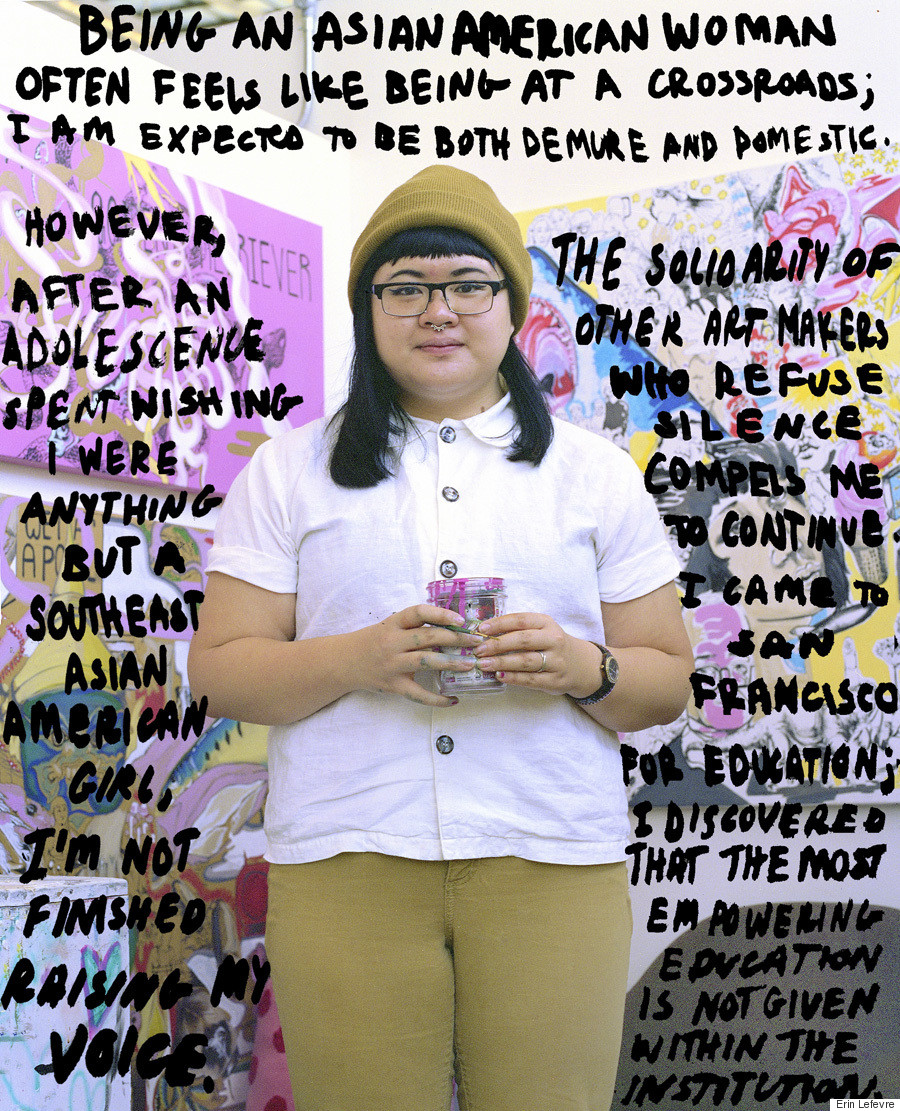
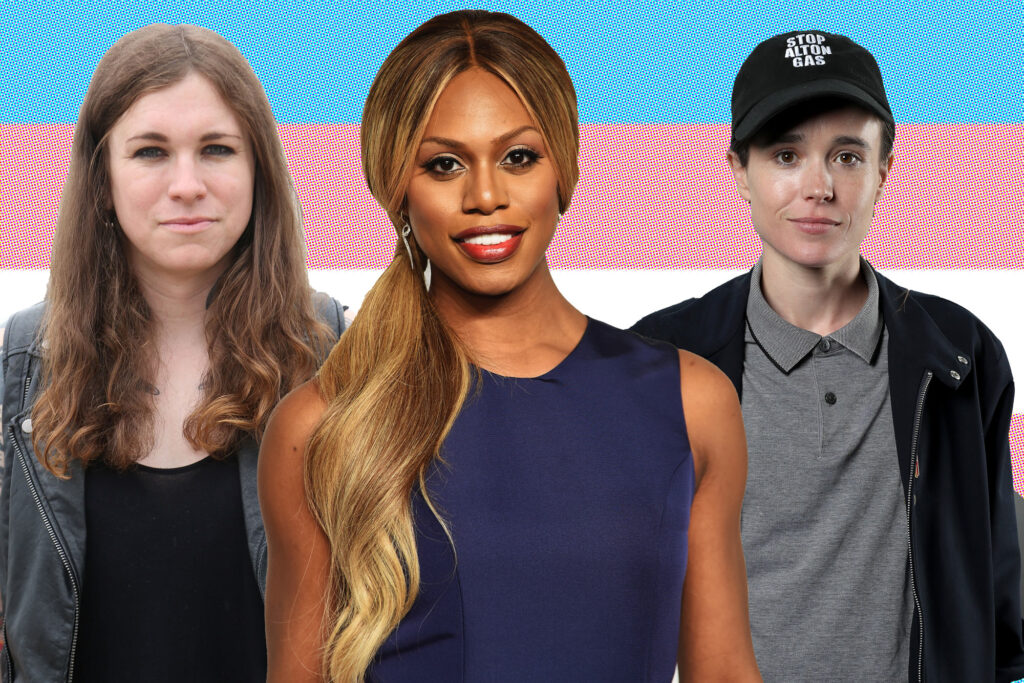
The most significant critique leveled against the “This Is What A Feminist Looks Like” shirt centered on its inherent lack of intersectionality. The campaign, inadvertently or otherwise, presented a homogenous image of feminism, failing to adequately represent the diverse experiences of women of color, LGBTQ+ individuals, disabled women, and women from marginalized communities. The shirt became a symbol of the limitations of mainstream feminism, a reminder of the pervasive whiteness and privilege that often dominates the discourse.
The controversy escalated when it was revealed that the garment was being manufactured in sweatshops, perpetuating the very patriarchal structures that feminism sought to dismantle. The irony was almost unbearable: a shirt intended to promote gender equality was, in fact, contributing to the exploitation of women in the garment industry. This revelation ignited a firestorm of outrage, further fueling the critique of the campaign’s ethical shortcomings. The message was clear: performative activism, devoid of genuine commitment to social justice, is ultimately self-defeating.
Reclaiming the Narrative: Beyond the Single Garment
The controversy surrounding the “This Is What A Feminist Looks Like” shirt served as a crucial inflection point in the evolution of feminist activism. It forced a reckoning with the limitations of simplistic slogans and the importance of embracing intersectionality in all its complexity. The backlash prompted a wave of alternative campaigns and initiatives, designed to amplify the voices of marginalized women and challenge the dominant narratives of mainstream feminism.
One key outcome was a greater emphasis on direct action and grassroots organizing. Instead of relying solely on symbolic gestures, activists began to focus on concrete strategies for addressing systemic inequalities, advocating for policy changes, and supporting community-based initiatives. The shirt, in a sense, became a cautionary tale, a reminder that true feminist solidarity requires more than just wearing a slogan; it demands a deep and sustained commitment to dismantling oppressive structures and amplifying the voices of those who are most marginalized.
The controversy also spurred a renewed focus on education and awareness. Activists launched campaigns to educate the public about intersectionality, privilege, and the complexities of gender inequality. They used social media to share personal stories, challenge stereotypes, and promote a more nuanced understanding of feminism. The goal was to move beyond simplistic slogans and foster a deeper engagement with the issues at hand.
The Enduring Legacy: A Catalyst for Critical Dialogue
Despite the controversies and criticisms, the “This Is What A Feminist Looks Like” shirt left an indelible mark on the landscape of feminist activism. It demonstrated the power of social media to amplify feminist messages and mobilize support for gender equality. It also highlighted the importance of embracing intersectionality and challenging the limitations of mainstream feminism.
The shirt’s legacy extends beyond its initial viral moment. It continues to serve as a reminder of the ongoing struggle for gender equality and the need for sustained activism. It also stands as a testament to the power of clothing to spark dialogue, challenge assumptions, and inspire social change.
The story of the “This Is What A Feminist Looks Like” shirt is a complex and multifaceted one. It is a story of empowerment, appropriation, backlash, and ultimately, a catalyst for critical dialogue. It is a story that reminds us that feminism is not a monolithic ideology, but a diverse and ever-evolving movement, constantly grappling with its own internal contradictions and striving to create a more just and equitable world for all.
The garment, now somewhat faded in the collective consciousness, serves as a poignant reminder that even the most well-intentioned efforts can inadvertently perpetuate harmful stereotypes and exclude marginalized voices. The onus is upon us, the inheritors of this legacy, to learn from these missteps, to embrace intersectionality, and to ensure that future iterations of feminist activism are truly inclusive and equitable.
So, the next time you see a slogan-emblazoned garment, ask yourself: what narrative is this promoting? Whose voices are being amplified, and whose are being silenced? And, most importantly, what am I doing to contribute to a more just and equitable world, beyond the superficiality of a simple statement? The answer, dear readers, lies not in the clothing we wear, but in the actions we take.







Leave a Comment