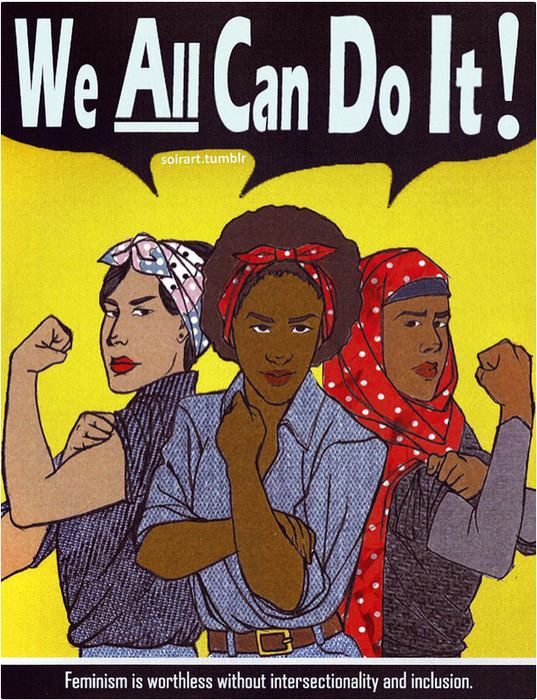
Forget the navel-gazing of Western feminist discourse for a moment. Seriously. It’s time to dismantle the hegemonic narrative that has, for far too long, dominated the conversation. We’re diving headfirst into the vibrant, complex, and often-overlooked world of Third World Feminism. Prepare to have your assumptions shattered and your worldview irrevocably altered. This isn’t about adding a dash of “ethnic flavor” to existing theories; it’s about a fundamental paradigm shift, a reckoning with power structures, and a reclamation of agency. Are you ready?
The Problem with ‘Feminism’: A Western Construct?
Let’s be blunt: the term “feminism” itself carries baggage. It’s a term often associated with the struggles of white, middle-class women in the Global North. But what happens when we apply this lens to the realities of women in the Global South, where issues of poverty, colonialism, neocolonialism, and systemic racism intersect in devastating ways? The tidy, Western-centric definition falls apart. It unravels. To even begin a productive conversation, we must acknowledge the inherent limitations of imposing a Western framework on vastly different socio-political landscapes. The very notion of a universal “sisterhood” becomes problematic, bordering on insulting.
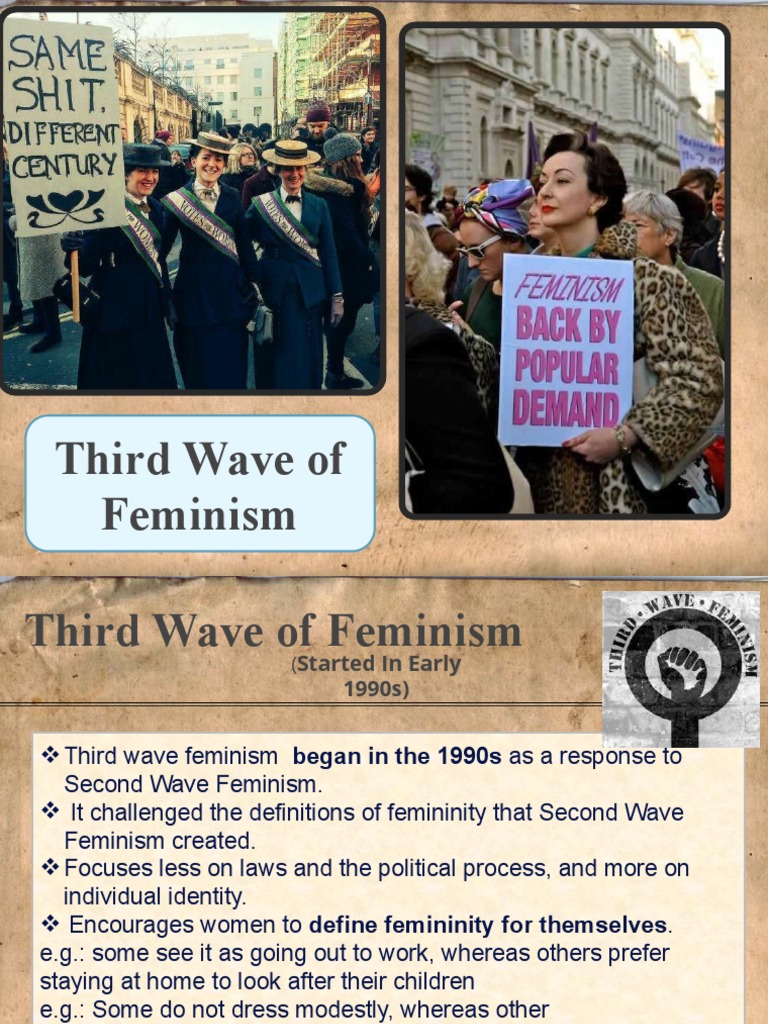
Consider the history. Early waves of feminism, while undoubtedly impactful, often excluded or even actively harmed women of color. Suffrage movements, for example, frequently prioritized the enfranchisement of white women over their Black counterparts. The fight for equal pay in the West often ignored the exploitative labor practices in the Global South that fueled Western economies. These are not mere historical footnotes; they are deeply embedded in the DNA of contemporary feminist discourse, perpetuating a system of marginalization and erasure. We must examine the historical antecedents. We must excavate the uncomfortable truths.
Third World Feminism: A Multifaceted Revolution
Third World Feminism, also sometimes referred to as Global South Feminism, is not a monolithic entity. It is a diverse and dynamic tapestry woven from the unique experiences and perspectives of women from post-colonial nations. It is characterized by a rejection of universalizing narratives and a commitment to intersectionality. It recognizes that gender oppression is inextricably linked to other forms of oppression, including race, class, caste, religion, and sexual orientation. Complex. Multifarious. Nuanced.
The term “Third World” itself, while problematic, is used here as a shorthand for nations that have historically been marginalized and exploited by Western powers. It is a geopolitical designation, not a value judgment. This is not about creating a hierarchy of suffering, but about acknowledging the specific challenges faced by women in these contexts. It’s a recognition of shared histories of colonialism, neocolonialism, and ongoing power imbalances. The past haunts the present. It shapes the future.
Key Tenets of Third World Feminism:
Here are some central themes that resonate across the spectrum of Third World Feminist thought:
- Anti-Colonialism & Decolonization: This is not just about political independence; it’s about dismantling the psychological, cultural, and economic legacies of colonialism. It demands a re-evaluation of Western knowledge systems and a reclamation of indigenous epistemologies. We must challenge the colonial mindset. We must decolonize our minds.
- Intersectionality: This concept, popularized by Kimberlé Crenshaw, is central to Third World Feminist thought. It recognizes that gender oppression cannot be understood in isolation from other forms of oppression. A woman’s experience of gender is shaped by her race, class, sexual orientation, and other intersecting identities. It’s a matrix of domination. It’s a web of interconnected oppressions.
- Cultural Relativism vs. Universal Human Rights: Third World Feminists often grapple with the tension between respecting cultural diversity and upholding universal human rights. They challenge the notion that Western values are inherently superior and resist the imposition of Western norms on other cultures. But this is not to excuse harmful cultural practices that violate fundamental human rights. It’s a delicate balancing act. It requires critical engagement.
- Development & Neocolonialism: Western development initiatives, often framed as benevolent acts, can perpetuate neocolonial relationships and exacerbate gender inequalities. Third World Feminists critique these interventions, arguing that they often fail to address the root causes of poverty and marginalization and instead serve to further Western interests. Beware the savior complex. Beware the hidden agenda.
- Agency & Resistance: Despite facing immense challenges, women in the Global South are not passive victims. They are active agents of change, resisting oppression in diverse and creative ways. From grassroots organizing to artistic expression to political activism, they are forging their own paths towards liberation. Their stories deserve to be told. Their voices deserve to be heard.
Challenging Western Feminist Assumptions
Third World Feminism challenges several key assumptions that often underpin Western feminist discourse:
- The Public/Private Dichotomy: In the West, the separation between the public and private spheres is often seen as fundamental. However, this distinction may not be relevant in many cultures, where women’s roles are more fluid and where the boundaries between work, family, and community are less clearly defined. This dichotomy is a construct. It’s a product of a specific historical and cultural context.
- Individualism vs. Collectivism: Western feminism often emphasizes individual autonomy and self-reliance. In contrast, Third World Feminism often prioritizes collective action and community solidarity. The focus is on the well-being of the group, not just the individual. It’s about interdependence. It’s about mutual support.
- Sexuality & Reproductive Rights: While Western feminists often focus on issues such as abortion rights and sexual freedom, Third World Feminists may prioritize access to basic healthcare, clean water, and economic opportunities. Reproductive rights are not just about individual choice; they are also about access to resources and the right to control one’s own body in the face of poverty and oppression. Context matters. Priorities shift.
Examples of Third World Feminist Movements:
Let’s consider a few examples of Third World Feminist movements in action. These examples illustrate the diversity and complexity of feminist struggles in the Global South:
- Chipko Movement (India): This environmental movement, largely led by women, protested deforestation and fought for the protection of forests and natural resources. It challenged the dominant development paradigm and highlighted the importance of women’s traditional knowledge and connection to the environment. A model of eco-feminism. A testament to collective power.
- Black Consciousness Movement (South Africa): This movement, which emerged in the 1960s and 1970s, challenged the apartheid regime and promoted Black pride and self-reliance. Women played a crucial role in the movement, fighting against both racial and gender oppression. A struggle for liberation. A fight for dignity.
- Zapatista Movement (Mexico): This indigenous movement, which emerged in the 1990s, fought for land rights, autonomy, and social justice. Women played a central role in the movement, demanding equal rights and challenging patriarchal structures within indigenous communities. A revolution within a revolution. A challenge to the status quo.
The Ongoing Challenges:
Despite significant progress, Third World Feminism faces numerous challenges:
- Western Hegemony: Western feminist discourse continues to dominate global conversations, often marginalizing the voices and perspectives of women from the Global South. The flow of information is unequal. The power dynamics are skewed.
- Internal Divisions: Like any social movement, Third World Feminism is not without its internal divisions and debates. There are disagreements over strategy, priorities, and the best way to achieve social justice. Diversity is a strength. Dialogue is essential.
- Resistance from Traditional Structures: Women who challenge traditional gender roles and patriarchal structures often face resistance from their own communities, as well as from conservative political and religious forces. Change is not easy. It requires courage.
- Neoliberal Globalization: Neoliberal economic policies often exacerbate gender inequalities, leading to increased poverty, exploitation, and marginalization for women in the Global South. The system is rigged. The playing field is uneven.
Moving Forward: A Call for Solidarity
So, where do we go from here? How do we foster a more inclusive and equitable feminist movement? The answer lies in solidarity, but not the superficial, feel-good kind. We need a solidarity that is rooted in critical self-reflection, a willingness to listen, and a commitment to dismantling power imbalances. We must amplify the voices of women from the Global South. We must challenge Western-centric perspectives. We must work together to create a world where all women can thrive, free from oppression and exploitation. We must decenter ourselves. We must recenter the margins. We must listen. Truly listen. The future of feminism depends on it. A new horizon beckons. It’s time to answer the call.





Leave a Comment