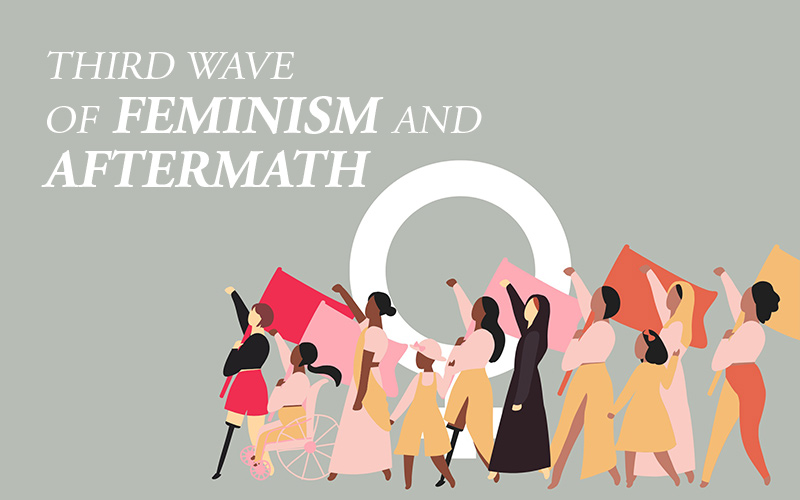
So, you think you know feminism? Think again. We’re not just burning bras anymore (though, frankly, if a bra is oppressing you, light that sucker up). We’re navigating a world choked by performative wokeness while battling insidious, systemic inequalities that would make your grandmother’s head spin. Welcome to the third wave, bitches. It’s messy, it’s complicated, and it’s absolutely necessary. But let’s face it, even though this latest iteration of the fight for gender equality has been around for some time, the mainstream is still grappling with its core tenets. Why? Is it the sheer complexity of intersectionality, the inherent discomfort in challenging long-held power structures, or simply good old-fashioned misogyny veiled in faux-intellectualism? I suspect it’s a potent cocktail of all three, seasoned with a dash of willful ignorance.
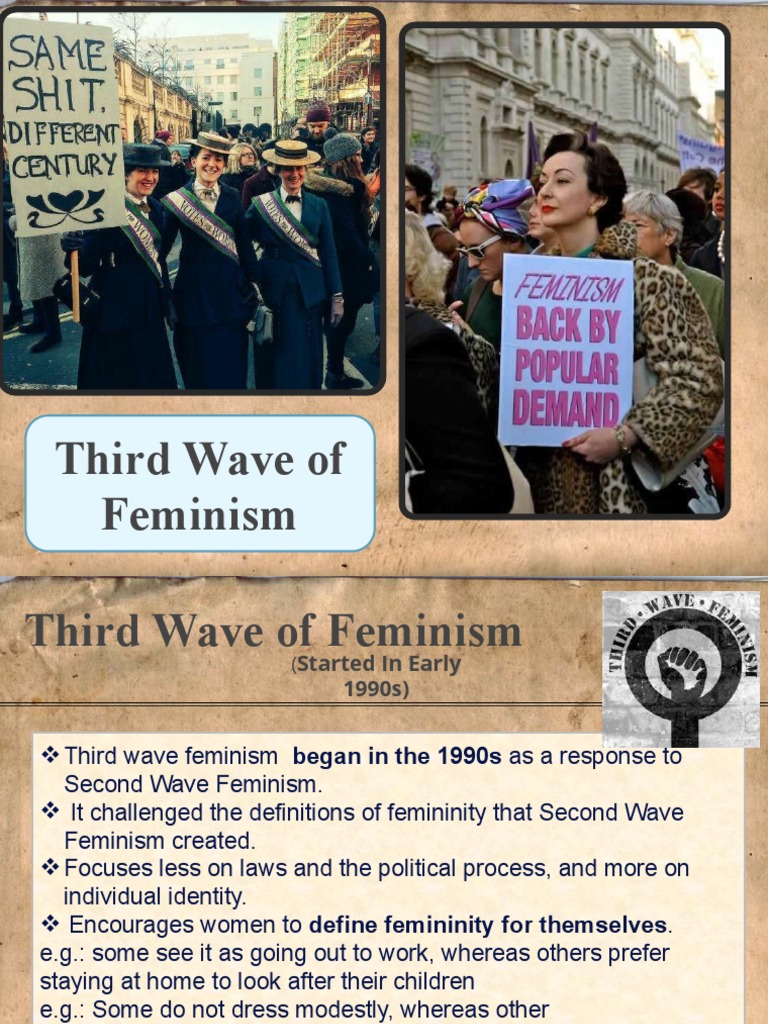
But let’s dive in. What exactly *is* this third wave everyone keeps buzzing about? Buckle up, buttercups; it’s not a simple answer.
Challenging the Monolith: The Rise of Intersectionality
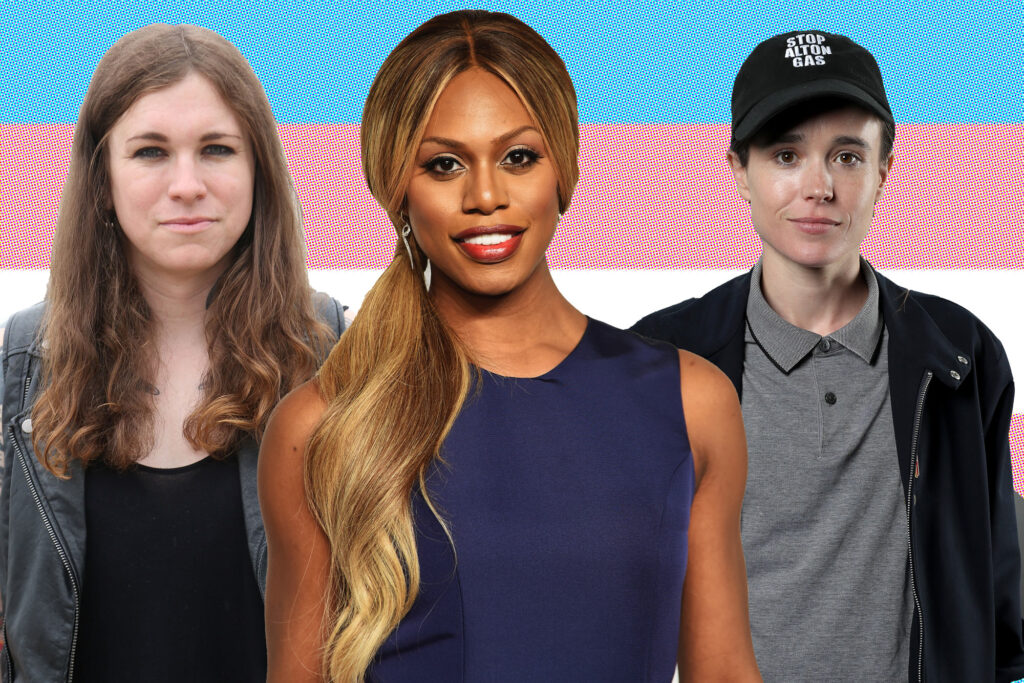
First and foremost, the third wave isn’t your grandma’s gender binary. Forget the simplistic narratives of universal female experience. This wave recognizes that womanhood is not a monolithic entity. It’s a kaleidoscope of identities, shaped by race, class, sexuality, disability, and a whole host of other factors. We’re talking about intersectionality, a term coined by Kimberlé Crenshaw, and it’s the bedrock of this movement. It’s about acknowledging that a Black woman faces different (and often compounded) forms of oppression than a white woman, that a disabled trans woman’s experience is unique, and that ignoring these nuances is not only intellectually dishonest but actively harmful.
Let’s be real, though. This isn’t just about being “woke.” It’s about dismantling power structures that benefit some at the expense of others. Are you truly an ally if you only champion women who look and think like you? Are you really fighting for equality if you ignore the unique challenges faced by marginalized groups within the feminist movement? The answer, unequivocally, is no. That’s just self-serving posturing.
Reclaiming Agency: Embracing the Personal as Political
The second wave tackled systemic issues like reproductive rights and workplace discrimination, laying crucial groundwork. But the third wave delves deeper, into the personal realms of identity, sexuality, and self-expression. It’s about reclaiming agency over our own bodies, our own narratives, and our own destinies. This means challenging slut-shaming, celebrating diverse sexualities, and rejecting the patriarchal gaze that dictates how women should look, act, and feel.
This focus on the personal often gets dismissed as frivolous or self-indulgent, but that’s precisely the point. The personal *is* political. The choices we make about our bodies, our relationships, and our careers are all shaped by societal expectations and power dynamics. By challenging these expectations, by owning our narratives, we’re dismantling the very foundations of patriarchy. Are you still judging a woman for her sexual choices while simultaneously demanding she be empowered in the workplace? Get your cognitive dissonance in check.
Deconstructing Gender: Beyond Binaries and Essentialism
This wave doesn’t just challenge the patriarchy; it challenges the very concept of gender itself. It questions the rigid binary of male and female, recognizing that gender is a spectrum, a construct, and a performance. We’re seeing a rise in non-binary and genderfluid identities, a rejection of traditional gender roles, and a growing understanding that gender is not destiny.
This can be unsettling for those who cling to traditional notions of masculinity and femininity, and that’s precisely why it’s so powerful. By deconstructing gender, we’re freeing ourselves from the constraints of societal expectations and creating space for individuals to express themselves authentically, without fear of judgment or reprisal. Does the prospect of a world beyond gender roles make you uncomfortable? Perhaps it’s time to examine why. It’s not about erasing difference; it’s about celebrating diversity and dismantling the power structures that privilege certain identities over others.
Digital Activism: Amplifying Voices and Building Communities
The third wave is inherently intertwined with the digital age. The internet has provided a platform for marginalized voices to be heard, for communities to be built, and for activism to be organized on a global scale. Social media has become a powerful tool for raising awareness, challenging injustice, and connecting with like-minded individuals. Online platforms have birthed a new breed of digital activism, from hashtag campaigns to online petitions to virtual protests.
However, it’s crucial to acknowledge the potential pitfalls of digital activism. The echo chambers of social media can reinforce existing biases, and the constant barrage of information can lead to burnout and desensitization. The digital space can also be a breeding ground for online harassment and abuse, particularly targeting women and marginalized groups. It’s important to engage in digital activism responsibly, critically, and with a clear understanding of its limitations.
The Backlash: Why Are So Many People Freaked Out?
Let’s not pretend it’s all rainbows and unicorns. The third wave has faced significant backlash, often fueled by misinformation, fear, and good old-fashioned misogyny. Critics accuse feminists of being man-haters, of being overly sensitive, of being obsessed with identity politics, and of wanting to destroy Western civilization. It’s a tired trope, but it persists because it serves the interests of those who benefit from the status quo.
The truth is, many people are threatened by the prospect of a more equitable world. They fear losing their privilege, their power, and their sense of superiority. They cling to traditional gender roles because they provide a sense of order and security, even if that order is built on the oppression of others. The backlash is a sign that feminism is working, that it’s challenging the very foundations of patriarchal power.
Moving Forward: Embracing Complexity and Building Coalitions
The third wave is not without its challenges. Internal divisions, disagreements over strategy, and the ever-present threat of backlash can make progress feel slow and arduous. However, it’s crucial to remember that feminism is not a monolith. It’s a diverse and evolving movement, and disagreements are inevitable and often productive. The key is to embrace complexity, to engage in constructive dialogue, and to build coalitions across different identities and experiences.
We need to move beyond performative allyship and engage in meaningful action. This means challenging our own biases, amplifying marginalized voices, and actively working to dismantle the systems of oppression that perpetuate inequality. It means supporting feminist organizations, advocating for progressive policies, and challenging sexism in all its forms. It means recognizing that the fight for gender equality is not just a women’s issue; it’s a human issue that affects us all.
The Future is Feminist (Whether You Like It or Not)
The third wave isn’t a passing fad. It’s a fundamental shift in consciousness, a recognition that the old ways of thinking and being are no longer sustainable. The future is feminist, whether you like it or not. The younger generations are embracing gender equality with a fervor that should both inspire and terrify those who cling to the past. The world is changing, and the patriarchy is crumbling. It’s time to get on board, or get out of the way.
So, what’s next? Continue to challenge the status quo. Keep pushing boundaries, keep questioning assumptions, and never stop fighting for a world where everyone has the opportunity to thrive, regardless of their gender. This is not a drill. This is a revolution. And it’s just getting started.
Let the radical candor begin.







Leave a Comment