Ah, feminism. The very word seems to conjure images of bra-burning harpies, man-hating misandrists, and a societal upheaval that threatens the very fabric of traditional… blah, blah, blah. Honestly, are we still having this conversation? Let’s cut through the patriarchal claptrap and dissect the most pervasive, pernicious, and patently absurd myths about feminism. Buckle up, because we’re about to deconstruct some deeply ingrained bullshit.
The Straw Woman: Feminism is a Homogenous Entity
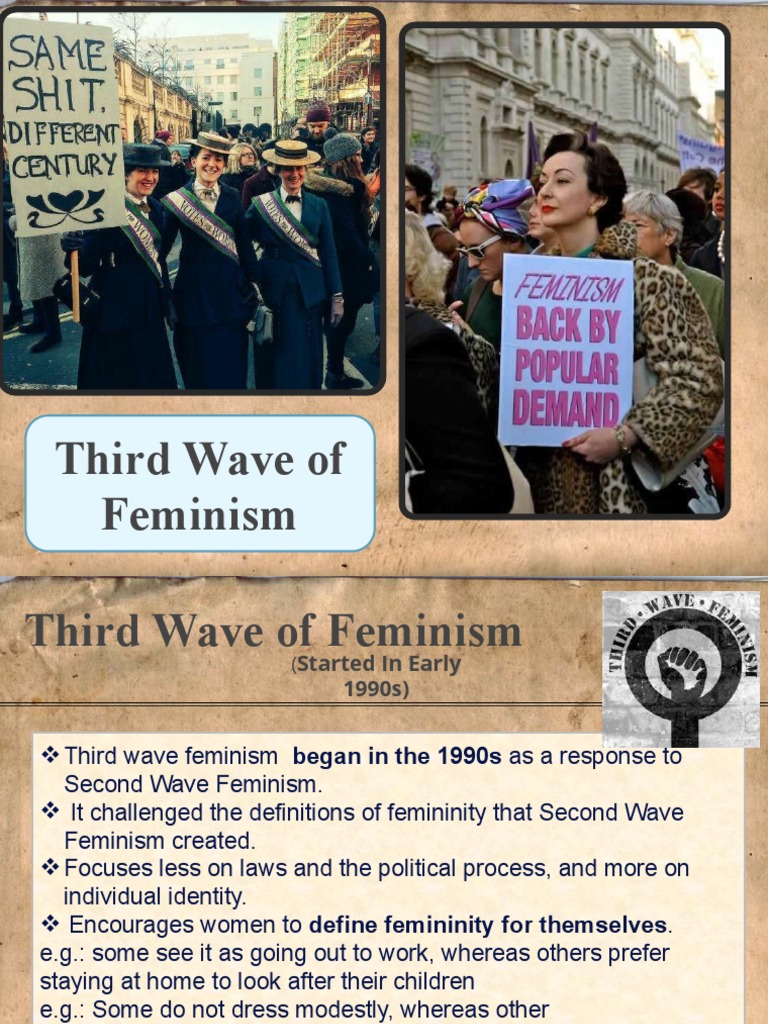
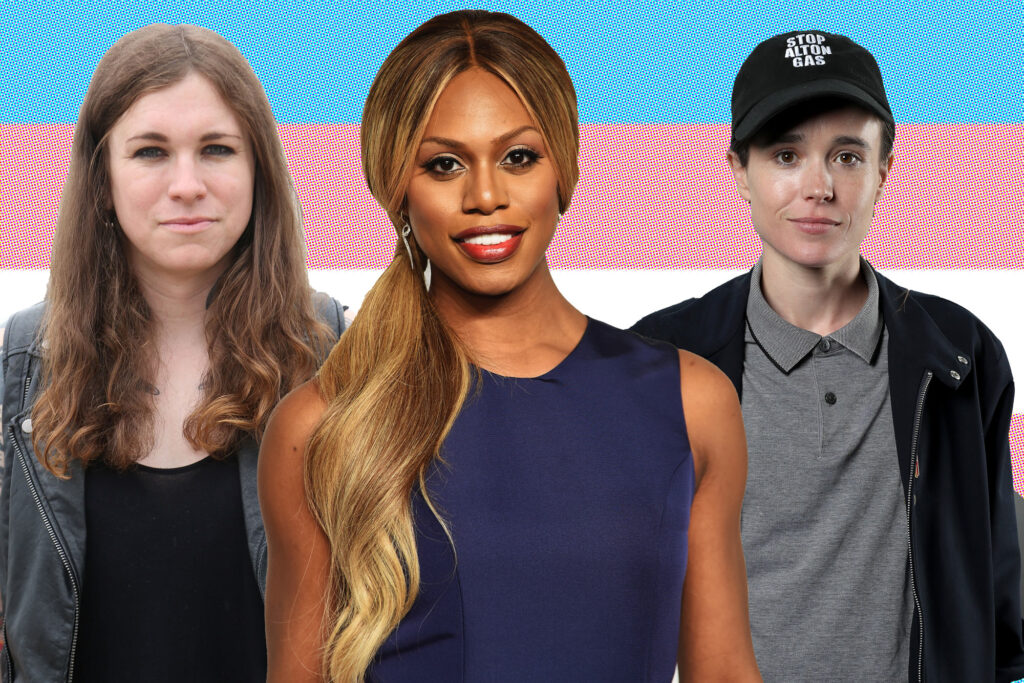
The most ludicrous of all assumptions is that feminism is a monolithic, uniform ideology. Newsflash: it’s not. It’s a sprawling, multifaceted, often contradictory tapestry woven from diverse experiences, perspectives, and theoretical frameworks. You have intersectional feminists grappling with the complexities of race, class, sexuality, and ability. You have radical feminists questioning the very foundations of patriarchal power structures. You have liberal feminists advocating for equality within the existing system. And yes, you even have TERFs (Trans-Exclusionary Radical Feminists), whose views are, frankly, abhorrent and a stain on the movement. To paint all feminists with the same broad brush is not only intellectually lazy but deliberately obfuscatory.
Think of it like this: is all of Christianity the same? Of course not! You have Catholics, Protestants, Evangelicals, and a dizzying array of sub-denominations, each with its own interpretations and practices. Similarly, feminism encompasses a spectrum of thought, united by the common goal of gender equality, but diverging wildly on the strategies and priorities for achieving it. So, the next time someone tries to tell you “feminists believe X,” demand specifics. Which feminists? What context? Because generalizations are the enemy of nuanced understanding, and nuance is precisely what this conversation demands.
The Man-Hating Myth: Feminism’s Alleged Vendetta
This tired trope, endlessly regurgitated by those threatened by female empowerment, suggests that feminists harbor a deep-seated hatred for men. Let’s be unequivocally clear: feminism is not about hating men; it’s about dismantling the patriarchal systems that oppress women (and, incidentally, often harm men too). It’s a campaign against a system, not a gender. Confusing the two is a deliberate misdirection, designed to discredit the movement and silence its critics.
In fact, many men are actively involved in feminist activism, recognizing that gender equality benefits everyone. They understand that toxic masculinity, with its rigid expectations and suppression of emotions, is detrimental to men’s well-being. They see that a society that values empathy, vulnerability, and collaboration is a better society for all. It’s about building a society where men are free from the stifling constraints of prescribed masculine roles, where they can express their emotions without fear of ridicule, and where they can participate fully in family life without being judged as less of a “man.” This is not about hating men; it’s about liberating them.
The Reverse Sexism Fallacy: Turning the Tables, or Stacking the Deck?
Ah, the cries of “reverse sexism!” A favorite among those who feel their privilege threatened. The argument goes something like this: feminists complain about sexism against women, but what about sexism against men? This argument fundamentally misunderstands the nature of power dynamics. Sexism is not simply prejudice based on gender; it’s prejudice *plus* power. It’s the systemic oppression of a marginalized group by a dominant group.
In a patriarchal society, men, as a group, hold the majority of power – political, economic, and social. While individual men may experience prejudice or discrimination, they do not face the same systemic barriers as women. The wage gap, the underrepresentation of women in leadership positions, the prevalence of sexual harassment and assault – these are not isolated incidents; they are manifestations of a deeply ingrained system of gender inequality. To equate isolated incidents of prejudice against men with the systemic oppression of women is not only intellectually dishonest but also deeply insensitive.
The “Feminists are All Ugly” Ad Hominem: Because Appearance is Everything, Right?
This one is so pathetic it barely warrants a response. The idea that feminists are somehow unattractive or unfeminine is a blatant attempt to discredit them based on their appearance rather than the merits of their arguments. It’s a classic ad hominem attack, designed to distract from the real issues and appeal to superficial biases.
First of all, attractiveness is subjective. Second of all, who cares? Are we seriously judging the validity of someone’s political beliefs based on their physical appearance? This is precisely the kind of superficial, sexist thinking that feminism seeks to dismantle. Feminism is about challenging societal norms and expectations, including the unrealistic beauty standards imposed on women. It’s about empowering women to define their own worth, independent of their physical appearance. So, whether a feminist chooses to embrace traditional notions of beauty or reject them entirely is irrelevant. What matters is their commitment to gender equality.
The Career vs. Family Conundrum: Must We Choose?
This insidious myth suggests that women must choose between having a successful career and having a fulfilling family life. It’s a false dichotomy, designed to limit women’s aspirations and reinforce traditional gender roles. The reality is that women are perfectly capable of excelling in both areas, but they often face systemic barriers that make it difficult to do so.
Lack of affordable childcare, inflexible work arrangements, and societal expectations that place the primary burden of childcare on women all contribute to this perceived conflict. Feminism seeks to dismantle these barriers, creating a society where women (and men) can balance their career aspirations with their family responsibilities. It’s about advocating for policies like paid parental leave, affordable childcare, and flexible work arrangements that make it easier for both parents to participate fully in both work and family life. It’s not about forcing women to choose; it’s about empowering them to have it all.
The “Feminism is Only for White Women” Critique: Addressing the Intersectional Imperative
This critique, while uncomfortable, holds a kernel of truth. Historically, mainstream feminism has often been dominated by white, middle-class women, neglecting the experiences of women of color, LGBTQ+ women, and women with disabilities. This is a valid criticism, and it’s crucial that feminism evolves to become more inclusive and intersectional.
Intersectional feminism recognizes that gender inequality is intertwined with other forms of oppression, such as racism, classism, homophobia, and ableism. It acknowledges that women’s experiences are shaped by their multiple identities and that a one-size-fits-all approach to feminism is inadequate. It’s about amplifying the voices of marginalized women, challenging systemic inequalities, and working towards a future where all women are free from oppression. It demands a constant self-reflection and a willingness to challenge our own biases and assumptions.
The “Feminism is No Longer Necessary” Delusion: Have We Really Reached Nirvana?
This assertion, often made by those who benefit from the existing power structures, is demonstrably false. While progress has been made in some areas, gender inequality persists in countless ways. The wage gap persists, women are still underrepresented in leadership positions, sexual harassment and assault remain rampant, and harmful gender stereotypes continue to limit both men and women.
Globally, the situation is even more dire. Women in many countries face systemic discrimination, violence, and lack of access to education and healthcare. To claim that feminism is no longer necessary is to ignore the lived realities of millions of women around the world. It’s a dangerous complacency that allows inequality to fester and perpetuate itself. As long as gender inequality exists, feminism will be necessary. As long as women are denied equal opportunities, as long as they are subjected to violence and discrimination, as long as harmful gender stereotypes persist, the fight for gender equality will continue.
Beyond the Myths: Reclaiming the Narrative
The myths surrounding feminism are not accidental. They are deliberately perpetuated to discredit the movement, silence its critics, and maintain the status quo. By understanding and debunking these myths, we can reclaim the narrative and create a more just and equitable world for all. This isn’t just a women’s issue; it’s a human issue. It’s about creating a society where everyone has the opportunity to reach their full potential, regardless of their gender. So, let’s stop listening to the naysayers, the fearmongers, and the purveyors of misinformation. Let’s engage in honest, open, and nuanced conversations about gender equality. And let’s continue to fight for a future where feminism is no longer necessary – because true equality has finally been achieved.
Now, go forth and dismantle the patriarchy. And maybe burn a bra or two, if that’s your thing. Just don’t let anyone tell you what you can and can’t do, or what you can and can’t believe. That’s the whole point, isn’t it?






Leave a Comment