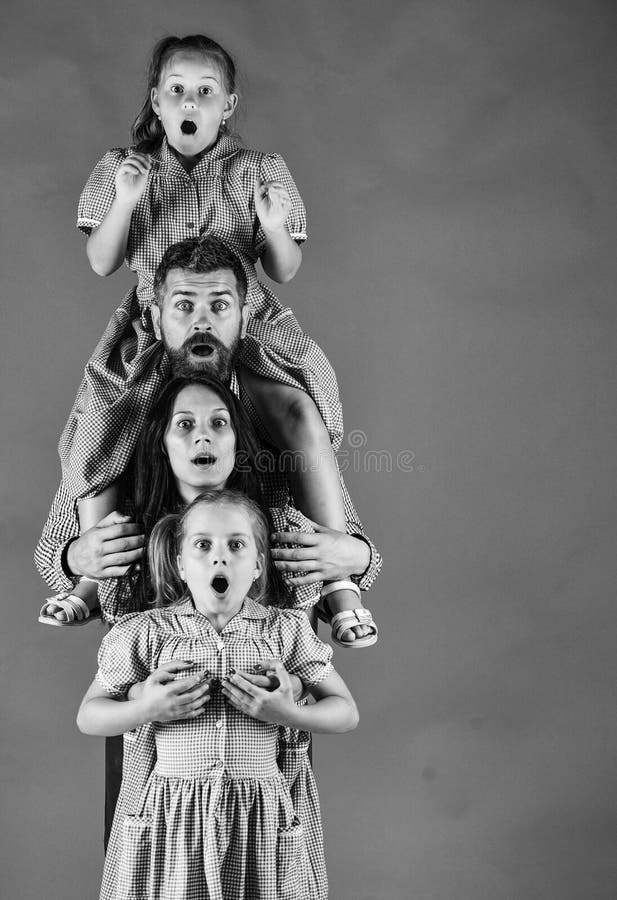
In countless households, there emerges a striking dichotomy—children receiving emotional sanctuary and nuanced guidance from the women they grow up with, while the “fun dad” plays a distinct, almost performative role. This bifurcation in parental engagement isn’t merely a happenstance of personality or preference; it is rooted in entrenched socio-cultural constructs and gender norms that delineate emotional labor in childrearing. The fascination society holds for the jovial, playful father figure contrasts starkly with the often invisible but indispensable scaffold of emotional support forged by women. This divergence begs scrutiny beyond surface impressions to uncover the genesis of these familial roles, why they persist, and the profound implications for children’s emotional development.
The Emotional Bedrock Women Build for Children
Women, predominantly mothers, have historically borne the brunt of emotional caregiving, a labor both intangible and foundational. They are the architects of the inner emotional world—a realm where empathy, resilience, and self-awareness are cultivated meticulously. This labor is not merely about soothing tears or tender gestures. It is a complex orchestration of attunement, vigilance, and intuitive responsiveness to a child’s emotional needs. Through countless quiet moments, women become the emotional anchor that tether a child to security in an unpredictable world.
This emotional scaffolding is multilayered, encompassing active listening, validation of feelings, and the fine art of emotional lexicon-building. It’s not just about how children feel but how they come to understand, articulate, and regulate those feelings. Such cultivation is pivotal for emotional intelligence, which research continually links with successful relational and psychological outcomes later in life.
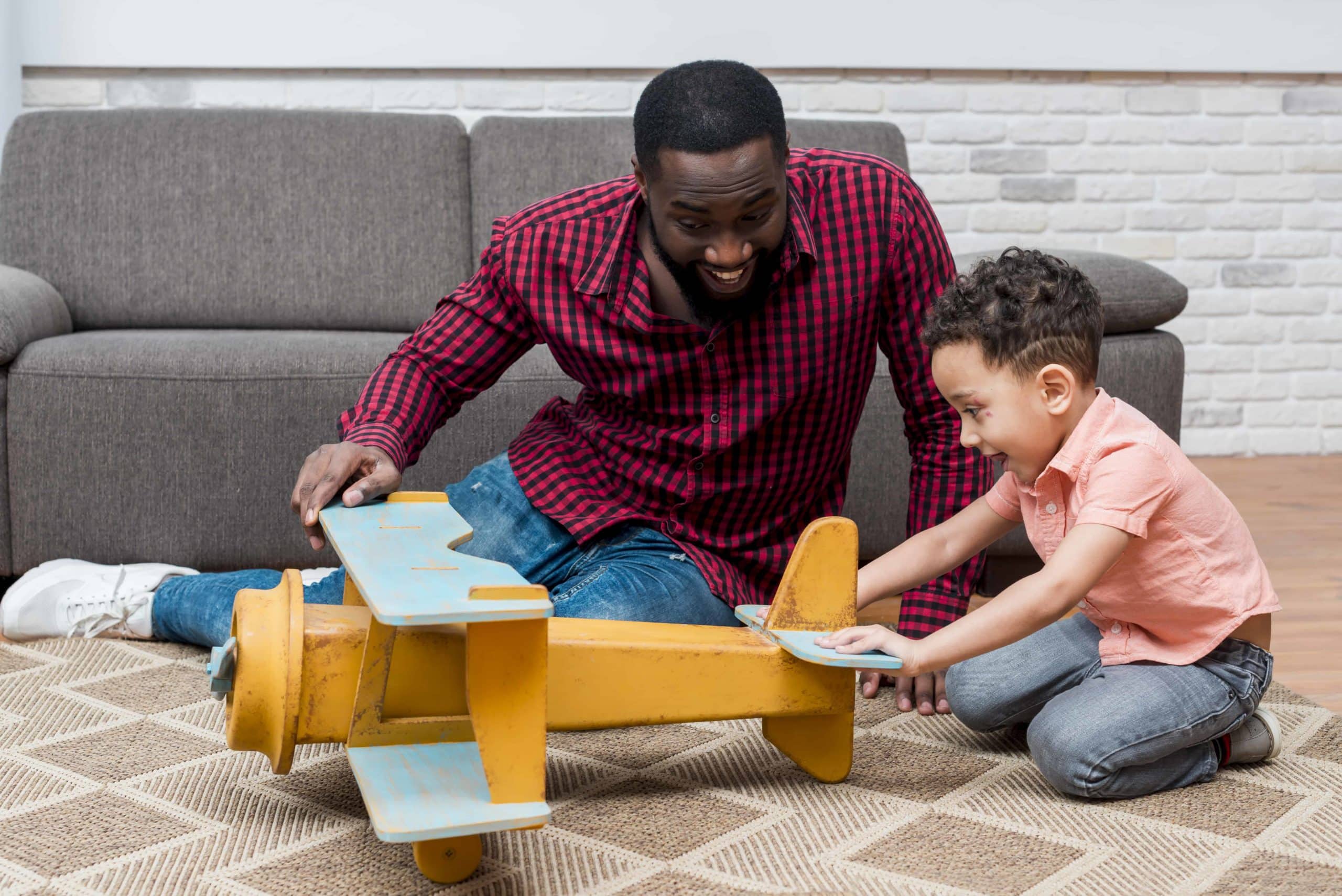
The societal expectation that women will innately shoulder this role often goes unquestioned—even unrecognized. Yet, the emotional repartee a mother maintains with her child demands immense cognitive and affective energy. This symbiosis, often invisible to observers, is the unseen labor that molds children equipped to navigate both personal and social terrains with nuance.
The “Fun Dad”: A Captivating Yet Surface-Level Archetype
The “fun dad” persona conjures images of carefree play, boisterous laughter, and whimsical escapades. Fathers adopting this role are often lauded for bringing levity to a child’s life, providing a stark contrast to the sometimes somber or regimented emotional milieu women maintain. This narrative is not without merit—joy, spontaneity, and adventurousness are essential components of a balanced upbringing. However, the phenomenon also reveals a societal comfort with fathers engaging in more superficial or episodic emotional exchanges rather than sustained emotional caregiving.
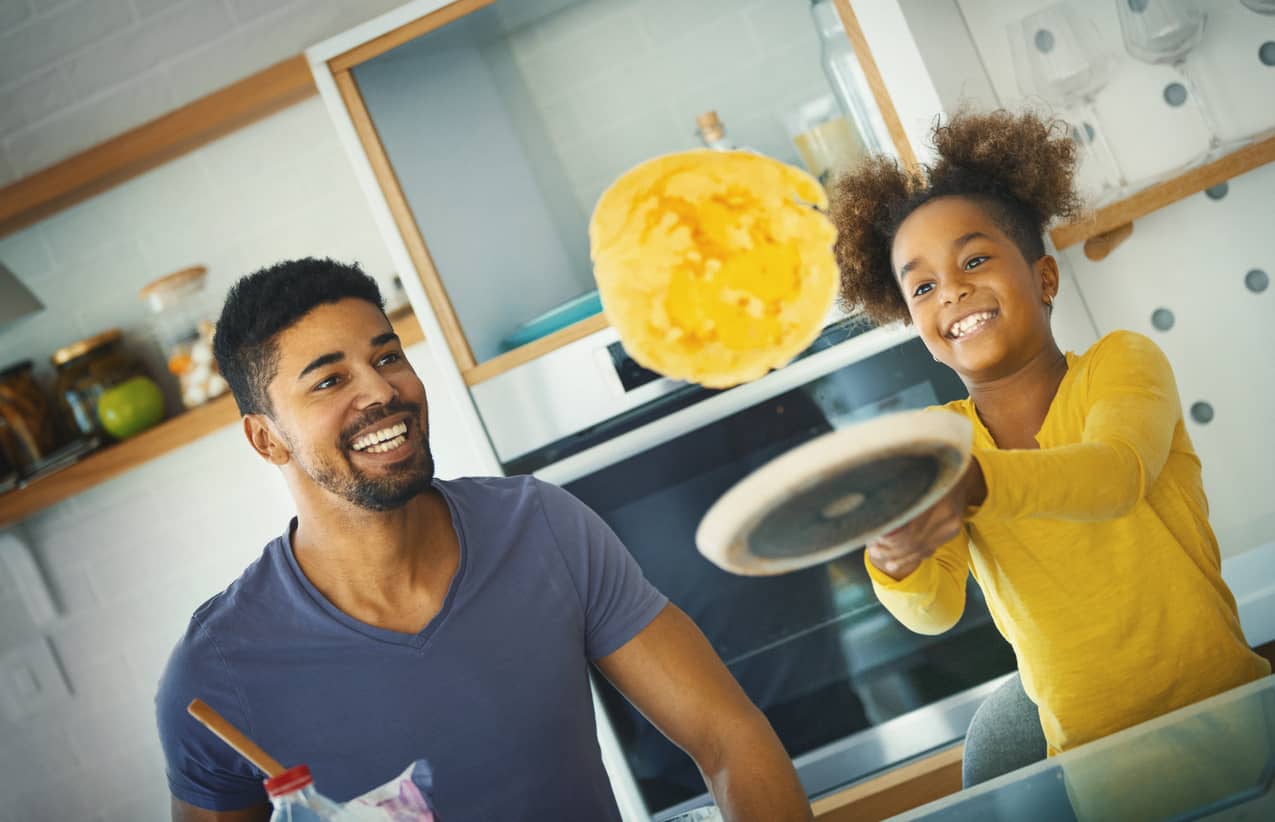
This fascination with the playful father masks a deeper cultural ambivalence about paternal emotional involvement. The “fun dad” is often tolerated or even celebrated in popular culture because he conforms to traditional masculine norms—distance, stoicism, and invulnerability. These tropes discourage fathers from delivering the emotional labor that society unconsciously expects women to perform. The resultant dynamic places fathers in the realm of occasional entertainers rather than consistent emotional partners, a role limiting for children seeking comprehensive emotional connection.
Why Society Celebrates This Dichotomy
There is an underlying societal compulsion to romanticize the “fun dad” as a corrective to the heavy emotional atmosphere seemingly perpetuated by women. This romanticization both exoticizes and sanitizes paternal involvement—it reframes fathers’ presence as a joyful respite rather than an integral emotional foundation. It also plays into gender stereotypes that confine men to specific behavioral scripts: protector, provider, occasional jester.
The fascination with this dichotomy reveals broader anxieties about masculinity and emotional expression. Men are culturally discouraged from displaying vulnerability and emotional attunement, and the “fun dad” role circumvents these expectations with ease, providing laughter without emotional depth. This not only upholds patriarchal norms but also limits the emotional growth of children, particularly boys, who internalize these gendered lessons about engagement and expression.
The Consequences for Children’s Emotional Development
Children thrive in environments where emotional validation is consistent and multidimensional. When emotional labor becomes gender-segregated, children are forced to navigate disparate emotional universes created by their caregivers. The nurturing emotional support from women offers stability and depth, yet the intermittent emotional availability of fathers constrains children’s opportunities to develop a holistic emotional repertoire.

This division can create an emotional paradox—the child learns that emotional sustenance is predominantly a maternal responsibility, while paternal emotional engagement remains an exception rather than the norm. Such dynamics may perpetuate emotional dependency on mothers and foster emotional distance or avoidance with fathers. It also raises critical considerations for equity in emotional caregiving and the broader cultural reimagining necessary to encourage fathers as full participants in the emotional education of their children.
Reimagining Emotional Labor: Toward Equitable Parenting
The path forward demands more than lip service to shared parenting. It requires dismantling deep-rooted myths surrounding gender and emotional labor. Women must be liberated from the prescriptive burden of being the sole emotional custodians, and men encouraged and equipped to embody the full spectrum of emotional caregiving. This means societal validation of paternal vulnerability and investment in fatherhood beyond the episodic fun persona.
Equitable parenting fosters richer, more resilient emotional ecosystems for children. Fathers who embrace vulnerability and engage consistently in emotional dialogue provide children with vital models of emotional versatility. This is particularly transformative in recalibrating masculinity away from repression toward authenticity. The family paradigm shifts from fragmented emotional labor toward a cohesive framework nourishing all members.
The fascination with the emotional dichotomy—between the emotional support women provide and the captivating but shallow “fun dad”—is symptomatic of gendered power structures and cultural inertia. Addressing this requires courage to confront uncomfortable truths and imagination to envision parenting where emotional labor is distributed equitably. Only then can children inherit not just laughter but deep emotional wisdom from all their caregivers.






Leave a Comment