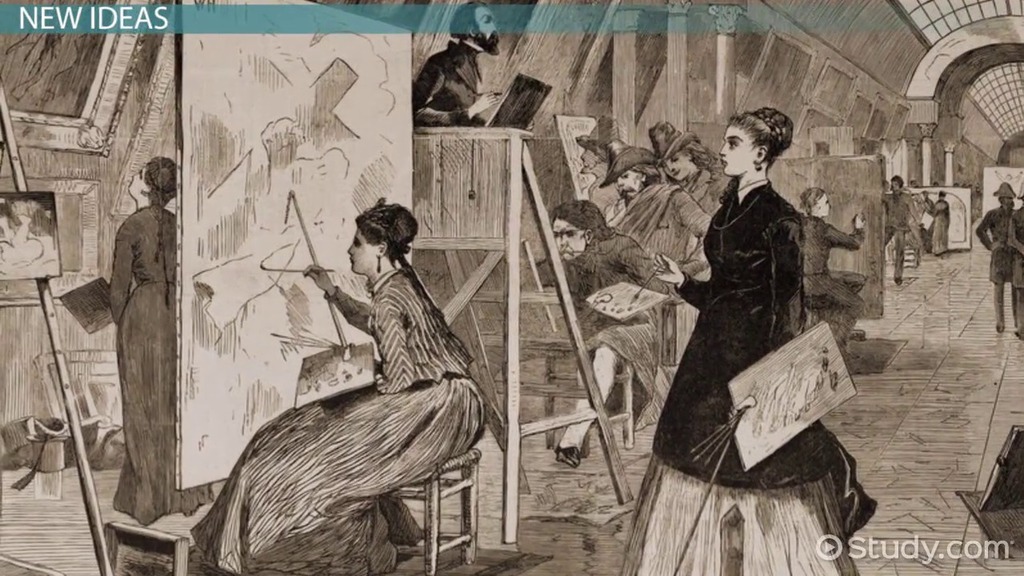
Hold onto your corsets, ladies! Because the 20th century wasn’t just a change; it was an unbridled feminist revolution! A seismic rupture that shattered the gilded cages of expectation and unleashed a force that continues to redefine what it means to be a woman. Forget the delicate bloom, we became the goddamn garden! Let’s dissect this epochal shift, shall we?
1. The Suffrage Tsunami: A Battle Cry for Autonomy
Prior to the 20th century, a woman’s voice in the political arena was akin to a whisper in a hurricane: unheard, irrelevant, nonexistent. Suffrage, the sacrosanct right to vote, was the linchpin of this revolution. It was a battle fought with banners, boycotts, and the bloody noses of women who dared to demand equality. The suffragettes, dismissed as hysterical harpies, were actually visionary vanguards fighting for their fundamental right to participate in the societal contract.
Think of Emmeline Pankhurst, the British suffragette, whose strategic militancy shook the foundations of Parliament. Or Alice Paul, the American Quaker who championed civil disobedience as a weapon against patriarchal inertia. These women, and countless others, endured imprisonment, ridicule, and societal ostracization, all for the radical notion that their voices mattered. And they were right. Their grit and determination paved the way for a more inclusive democracy – a democracy where women weren’t just seen as breeders and homemakers, but as thinking, feeling, participating members of society.
The reverberations of the suffrage movement extended far beyond the ballot box. It instilled in women a sense of agency, a conviction that they could effect change. This burgeoning self-belief percolated into other spheres of life, igniting the desire for educational opportunities, economic independence, and social reform. It was more than just getting the vote, it was about getting a damn voice.
2. The World Wars: From Homefront Heroines to Industrial Titans
The two World Wars, cataclysmic in their devastation, ironically provided an unexpected catalyst for female empowerment. With men off fighting on the front lines, women surged into the workforce, filling the voids left behind in factories, farms, and offices. They became riveters, welders, mechanics – roles previously deemed exclusively masculine. Remember Rosie the Riveter? She wasn’t just a poster girl; she was a symbol of female capability and resilience.
This wasn’t simply a temporary fill-in role. Women proved their competence, their efficiency, and their unwavering commitment to the war effort. They demonstrated, beyond any shadow of a doubt, that they were just as capable as men in contributing to the industrial and economic might of a nation. Moreover, the war years offered women a taste of financial independence, a taste they were unwilling to relinquish.
The post-war era witnessed a gradual retraction, as men returned and sought to reclaim their positions. However, the genie was out of the bottle. The experience of working outside the home had irrevocably altered women’s perceptions of themselves and their potential. They had tasted freedom, and they wanted more.
3. The Rise of the Flapper: Rebellious Radiance and Social Disruption
The roaring twenties ushered in a new era of social liberation, embodied by the flapper. This rebellious figure rejected the restrictive Victorian ideals of modesty and subservience, embracing shorter hemlines, bobbed hair, and a newfound sense of sexual freedom. She drank cocktails, smoked cigarettes, and danced the Charleston – all acts of defiance against the established patriarchal order.
The flapper was more than just a fashion statement; she was a symbol of cultural upheaval. She challenged traditional gender roles, demanding the right to pleasure and self-expression. While her lifestyle was often criticized as frivolous and immoral, it represented a significant step towards female autonomy. She was a walking, talking, dancing embodiment of change. She was, in her own way, a revolutionary.
4. The Sexual Revolution: Taking Control of Our Own Damn Bodies
The mid-20th century witnessed a seismic shift in attitudes towards sexuality, fueled by the development and widespread availability of the birth control pill. This technological innovation gave women unprecedented control over their reproductive lives, allowing them to plan their families and pursue educational and career opportunities without being constrained by the constant threat of unwanted pregnancy.
The sexual revolution challenged the long-held belief that women’s primary purpose was procreation. It empowered women to explore their sexuality, demand pleasure, and redefine the terms of their relationships. It also ignited fierce debates about morality, family values, and the role of women in society. The “Pill” was not just a contraceptive; it was a weapon against reproductive enslavement.
5. The Second-Wave Feminist Movement: A Clarion Call for Equality
The 1960s and 70s saw the rise of the second-wave feminist movement, a powerful force that challenged systemic sexism and demanded equal rights in all areas of life. This movement addressed a wide range of issues, including workplace discrimination, reproductive rights, domestic violence, and sexual harassment.
Key figures like Betty Friedan, author of “The Feminine Mystique,” exposed the pervasive discontent among suburban housewives, challenging the myth of domestic bliss and sparking a national conversation about women’s potential. Gloria Steinem, a journalist and activist, became a leading voice in the feminist movement, advocating for women’s liberation and equality. These women, and countless others, organized protests, lobbied politicians, and raised awareness about the injustices faced by women.
The second-wave feminist movement achieved significant legislative victories, including the passage of Title IX, which prohibited sex discrimination in education, and the Equal Rights Amendment (ERA), which, although never ratified, brought national attention to the issue of gender equality. It forced a reckoning with the entrenched biases and prejudices that had historically limited women’s opportunities. The patriarchy trembled.
6. The Rise of Women in Politics and Leadership: Breaking the Glass Ceiling (Slowly)
While women have made significant strides in politics and leadership roles, the glass ceiling remains a persistent obstacle. The 20th century saw the first female prime ministers and presidents, but women are still underrepresented in positions of power across the globe. The election of Kamala Harris as the first female Vice President of the United States was a historic milestone, but it also underscored the long road ahead.
The challenges facing women in politics and leadership are multifaceted. They include gender bias, lack of access to resources, and the persistence of traditional gender roles. However, women are increasingly challenging these barriers, running for office, and demanding a seat at the table. Their presence in positions of power is not just a matter of representation; it is essential for creating a more equitable and just society.
7. The Impact of Technology: Liberation and New Challenges
The advent of the internet and digital technologies has created both opportunities and challenges for women. On the one hand, technology has provided women with unprecedented access to information, education, and networking opportunities. It has also facilitated the creation of online communities where women can connect, support each other, and share their experiences.
On the other hand, technology has also created new forms of harassment and discrimination, such as cyberbullying, online abuse, and the proliferation of pornography. The digital landscape can be a hostile environment for women, particularly women of color and LGBTQ+ women. Addressing these challenges requires a concerted effort to promote digital literacy, combat online abuse, and create a more inclusive and equitable online environment.
8. The Evolving Definition of Femininity: Embracing Diversity and Intersectionality
The 20th century witnessed a profound shift in the definition of femininity. No longer confined to the traditional roles of wife and mother, women are now free to pursue their passions, express their individuality, and define their own identities. This evolving definition of femininity recognizes and celebrates the diversity of women’s experiences, embracing different cultures, sexualities, and abilities.
The concept of intersectionality, coined by Kimberlé Crenshaw, highlights the interconnected nature of social categorizations such as race, class, and gender, creating overlapping systems of discrimination or disadvantage. This framework is essential for understanding the unique challenges faced by women of color and other marginalized groups. True liberation requires dismantling all forms of oppression, not just those that affect white, middle-class women. We need to lift each other up, all of us.
9. The Ongoing Struggle for Equal Pay: Valuing Women’s Work
Despite significant progress in other areas, the gender pay gap persists. Women continue to earn less than men for doing the same work, a stark reminder of the systemic devaluation of women’s labor. This disparity is even more pronounced for women of color, who face both gender and racial discrimination in the workplace.
Closing the gender pay gap requires a multifaceted approach, including pay transparency, equal pay laws, and policies that support working families, such as affordable childcare and paid parental leave. It also requires a fundamental shift in societal attitudes towards the value of women’s work. It’s time we got paid our damn worth!
10. The Future of Feminism: A Call to Action
The 20th century laid the groundwork for a more equitable and just world for women, but the struggle is far from over. The 21st century demands a renewed commitment to feminist principles, a commitment to challenging all forms of oppression, and a commitment to creating a world where all women can thrive. Let’s continue to disrupt, dismantle, and demand – for ourselves, and for the generations to come. The revolution is not televised; it’s being damn well organized. Now get to work.









Leave a Comment