Is “testicular feminization syndrome” truly the internet’s strangest label? Or does it merely reflect our societal discomfort with bodies that defy neat categorization, bodies that dare to challenge the very foundations of our gendered understanding of the world?
The term itself, a somewhat antiquated and frankly reductionist descriptor for Androgen Insensitivity Syndrome (AIS), immediately provokes a visceral reaction. It conjures images of a biological anomaly, a medical curiosity to be dissected and analyzed under the harsh light of scientific scrutiny. But it is far more than just a “syndrome”; it’s a lived reality for many individuals, a complex tapestry woven with threads of biology, identity, and societal expectation. And its online representation, often fragmented and sensationalized, raises uncomfortable questions about how we, as a society, approach the complexities of sex and gender variance.
Let’s delve into the labyrinthine corridors of this topic, dismantling the layers of misinformation and prejudice that often shroud it. We will explore the biological underpinnings of AIS, the profound psychological impact it can have on individuals, and the broader socio-political context that shapes our understanding – or misunderstanding – of this condition. Prepare to have your preconceived notions challenged, your assumptions questioned, and your perspectives broadened. The journey ahead is not for the faint of heart.
I. Decoding the Biological Enigma: Androgen Insensitivity Syndrome Unveiled
The term “testicular feminization syndrome” is a relic of a bygone era, a period when scientific understanding was limited and societal attitudes were even more rigidly defined. Today, we recognize the more accurate and compassionate term: Androgen Insensitivity Syndrome. But what exactly is AIS?
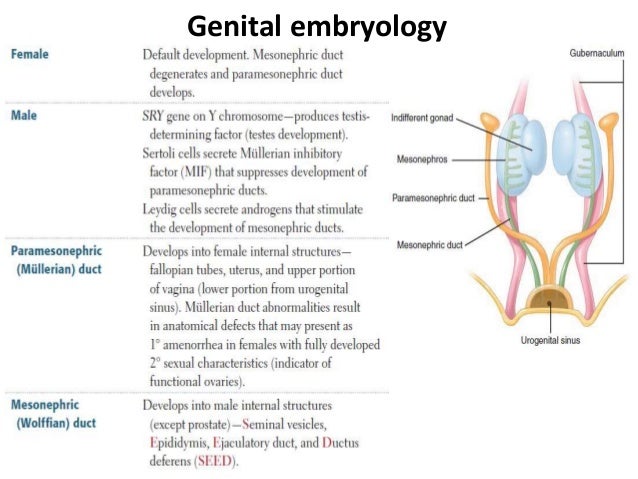
At its core, AIS is a genetic condition that affects individuals with a 46,XY karyotype – typically associated with a male sex assignment. However, due to a mutation in the androgen receptor gene (AR gene), the body is unable to respond effectively to androgens, such as testosterone. Think of it as a lock and key mechanism gone awry; the key (androgen) fits into the lock (androgen receptor), but the lock refuses to open.
This insensitivity to androgens can manifest in a spectrum of ways, leading to a range of phenotypes. Complete Androgen Insensitivity Syndrome (CAIS) results in individuals with external female genitalia and female secondary sexual characteristics. They often grow up unaware of their genetic makeup, leading lives indistinguishable from cisgender women until puberty, when menstruation fails to occur. Partial Androgen Insensitivity Syndrome (PAIS), on the other hand, presents a more complex picture, with varying degrees of virilization and feminization. Individuals with PAIS may have ambiguous genitalia, enlarged clitorises, or other intersex traits. The implications for identity and self-perception are profound.
II. The Lived Experience: Navigating Identity, Disclosure, and Societal Expectations
Beyond the biological mechanisms, lies the deeply personal and often fraught experience of living with AIS. Imagine discovering, often during adolescence, that your body does not conform to the binary expectations that society has relentlessly imposed upon you. The emotional and psychological fallout can be devastating.
Disclosure of an AIS diagnosis is a deeply personal decision, fraught with potential risks. Fear of rejection, discrimination, and medicalization can weigh heavily on individuals. The internet, while offering a potential lifeline to connect with others who share similar experiences, can also be a breeding ground for misinformation and harmful stereotypes. Online forums can offer support, but they can also expose individuals to exploitative behavior. The challenge lies in navigating this digital landscape with caution and discernment.
Furthermore, individuals with AIS often face a bewildering array of medical interventions, ranging from hormone therapy to gonadectomy (surgical removal of the testes). These interventions, while sometimes medically necessary, can raise ethical concerns, particularly when performed on children who are unable to fully consent. The emphasis should always be on patient autonomy and informed consent, empowering individuals to make decisions that align with their own values and goals.
III. Deconstructing the Discourse: Challenging the Language and Stigma Surrounding AIS
The very language we use to describe AIS perpetuates harmful stereotypes and reinforces the binary gender paradigm. The term “testicular feminization syndrome” is particularly problematic, implying that feminization is somehow a pathological deviation from a “normal” male state. This reinforces the idea that masculinity is inherently linked to the presence of testes and that any deviation from this norm is a medical abnormality.
We must actively challenge this language and promote a more nuanced and inclusive understanding of sex and gender diversity. Instead of focusing on perceived “deficits” or “abnormalities,” we should celebrate the inherent worth and dignity of all individuals, regardless of their genetic makeup or anatomical variations. We need to move beyond the antiquated binary and embrace the fluidity and complexity of human embodiment.
The media also plays a crucial role in shaping public perception of AIS. Sensationalized stories and inaccurate representations can further stigmatize individuals and contribute to a climate of fear and misunderstanding. We need more responsible and nuanced reporting that centers the lived experiences of individuals with AIS and challenges the dominant narratives that perpetuate prejudice.
IV. The Intersectional Lens: Examining AIS Through a Broader Socio-Political Context
It is crucial to recognize that the experience of living with AIS is shaped by a complex interplay of factors, including race, class, sexual orientation, and disability. Individuals from marginalized communities may face additional challenges in accessing healthcare, finding support, and navigating societal expectations.
For example, individuals with AIS who are also people of color may experience compounded discrimination due to racism and sexism. Similarly, individuals from lower socioeconomic backgrounds may lack access to the resources and support necessary to navigate the medical system and advocate for their rights. It is imperative that we adopt an intersectional lens when examining the challenges faced by individuals with AIS and work towards creating a more equitable and inclusive society for all.
Furthermore, the medicalization of intersex bodies is often rooted in a desire to conform to societal norms and expectations. This can lead to unnecessary and often harmful medical interventions, particularly on infants and children. We need to challenge the medical establishment’s tendency to “fix” intersex bodies and advocate for a human rights-based approach that prioritizes patient autonomy and informed consent.
V. Towards a More Inclusive Future: Advocacy, Education, and Empowerment
Ultimately, creating a more inclusive future for individuals with AIS requires a multi-pronged approach that encompasses advocacy, education, and empowerment. We need to advocate for policies that protect the rights of intersex individuals and ensure access to quality healthcare. This includes challenging discriminatory laws and practices that perpetuate stigma and discrimination. We also need to educate the public about the complexities of sex and gender diversity and challenge the binary paradigm that marginalizes individuals who do not fit neatly into prescribed categories.
Empowerment is also crucial. Individuals with AIS need to be empowered to advocate for their own rights and to share their stories with the world. This includes creating safe spaces for individuals to connect with one another and to find support and community. The internet can be a powerful tool for empowerment, but it is important to navigate this digital landscape with caution and discernment.
In conclusion, “testicular feminization syndrome” is more than just a strange label. It is a reflection of our societal discomfort with bodies that defy categorization, bodies that challenge the very foundations of our gendered understanding of the world. By deconstructing the discourse, challenging the language and stigma surrounding AIS, and adopting an intersectional lens, we can move towards a more inclusive and equitable future for all. The journey is long and arduous, but the rewards are immeasurable. Let us embrace the complexity, celebrate the diversity, and stand in solidarity with those who dare to challenge the status quo.








Leave a Comment