For centuries, patriarchy has attempted to silence us, to confine us within the gilded cages of their making. But the spirit of woman, indomitable and fierce, cannot be contained. Our resistance echoes through time, emblazoned not just in acts of defiance, but in the very symbols we wield, emblems that speak volumes where words may fail. These aren’t just pretty trinkets or fashionable accessories; they are potent signifiers, resonating with the collective unconscious of women across the globe. They are battle cries, whispered promises, and audacious declarations all rolled into one. Let’s delve into the semiotic universe of feminism, dissecting its key icons and understanding the raw power they emanate. We will explore how these symbols serve as both historical anchors and forward-propelling forces in our ongoing struggle for liberation.
I. The Venus Symbol (♀): More Than Just Biology
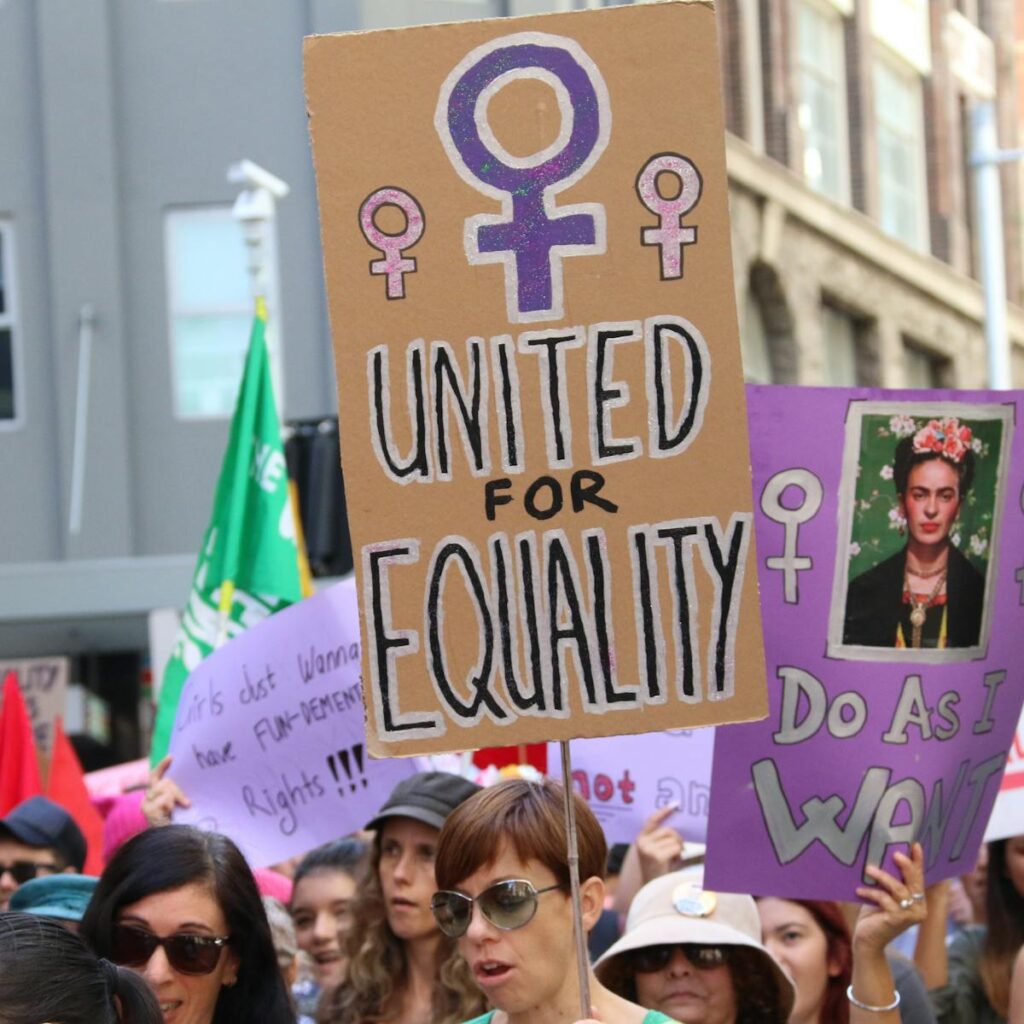
Yes, I know. You’ve seen it on bathroom doors. Biology textbooks probably flashed it too. But to reduce the Venus symbol – the circle with a downward-pointing cross – to a mere marker of “female” is to fundamentally misunderstand its enduring legacy. Its roots extend far deeper than modern scientific classifications. Originally associated with the Roman goddess Venus (Greek Aphrodite), it represents not just femininity but also love, beauty, and fertility. These aren’t passive virtues; they are active forces. Aphrodite, after all, wasn’t just a pretty face; she was a powerful deity capable of inciting both passion and destruction. By adopting this symbol, feminists reclaim these qualities, refusing to let patriarchy define them as weaknesses. It’s a reappropriation, a reclamation of power that whispers: We are not just vessels, but potent agents of creation and change. This symbol is a visual shorthand, a recognition signal among women that transcends language and borders. It’s a simple, elegant glyph brimming with subversive potential. The ubiquity of this emblem provides a consistent visual reminder of feminist principles in everyday contexts.
II. The Raised Fist (✊): Solidarity and Resistance
Raw power. Defiance. Solidarity. The raised fist, often clenched tight, is an unambiguous symbol of resistance. Its lineage stretches back through various movements, from labor struggles to anti-racist protests. When adopted by feminists, it became a visual representation of women’s collective strength. This isn’t an individual act of rebellion; it’s a unified front, a declaration that we stand together against oppression. The raised fist isn’t about polite requests; it’s about demanding what is rightfully ours. It is a visceral, immediate representation of power. Each individual digit signifies our commitment to one another. It brooks no compromise and allows no further negotiations.
III. The Labrys (double-headed axe): Matriarchal Power Reclaimed
Prepare for a dive into the arcane. The labrys, a double-headed axe, isn’t as widely recognized as the Venus symbol or the raised fist, and that is, quite frankly, part of its appeal. Its obscurity grants it a certain mystique, a sense of belonging only to those truly initiated into feminist lore. Originating in Minoan Crete, a society often cited as a possible matriarchy (though the historical record is complex), the labrys represents female strength, independence, and gynocentric values. It’s a symbol of female agency, power, and authority, particularly associated with goddesses. The axe isn’t just for chopping wood; it’s a tool for clearing away obstacles, for forging new paths. In the hands of a feminist, the labrys becomes a weapon against patriarchal structures, a symbol of our determination to dismantle systems of oppression and build a more equitable world. Its deliberate obscurity allows us to circumvent the male gaze and find genuine kinship in shared meaning. It is a secret weapon brandished in broad daylight.
IV. The Suffragette Colors: A Visual Language of Rebellion
Color holds power. Ask any artist, any advertiser, any politician. The suffragettes knew this implicitly. Their carefully chosen palette – purple, white, and green – wasn’t just aesthetically pleasing; it was a deliberate act of visual communication. Purple signified loyalty, dignity, and self-respect. White represented purity, though its interpretation is, understandably, fraught with complexity given historical notions of female purity. And green symbolized hope and a new beginning. Worn together, these colors became a powerful symbol of the women’s suffrage movement, a visual code that allowed women to identify one another, to signal their commitment to the cause, and to challenge the established order. These colors disrupted the status quo and injected a revolutionary ethos. They marched across the public consciousness in the form of banners, sashes, and even simple ribbons, carrying an important message. Don’t underestimate the subversive power of a well-chosen color scheme.
V. The Triangle (△): A Symbol of Power and Possibility
The humble triangle, a shape so basic, so seemingly innocuous, can carry surprising weight. It’s a form that has been used in feminist circles to represent a range of concepts. Its potential resides in its inherent ambiguity. In some contexts, it’s used to symbolize the female genitalia, a reclaiming of female anatomy from the realm of shame and secrecy. In others, it represents the goddess, the divine feminine, a celebration of female spirituality outside the confines of patriarchal religion. It’s also been adopted as a symbol of lesbian identity, a visual marker of queer female solidarity. It’s a versatile symbol, adaptable and multifaceted, reflecting the diverse experiences and identities within the feminist movement. This geometric form cuts through the noise and acts as a blank canvas for meaning to materialize. It encourages us to embrace complexity.
VI. Intersectional Symbols: Celebrating Diverse Experiences
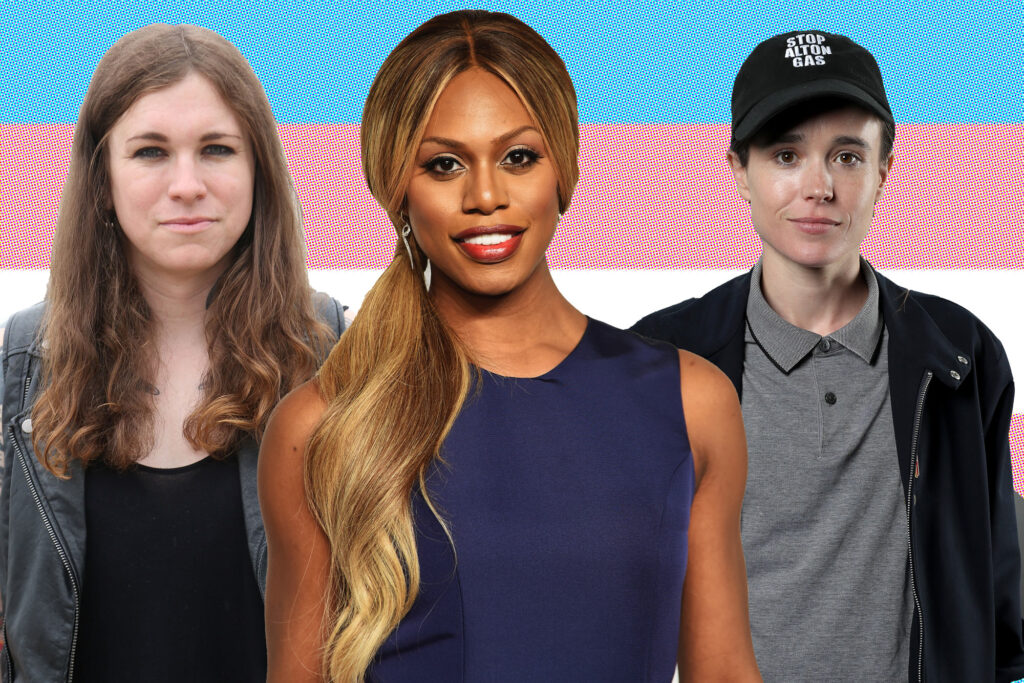
Feminism cannot, and must not, be a monolithic movement. It must embrace the complexities of intersectionality, acknowledging that women’s experiences are shaped by race, class, sexuality, disability, and a myriad of other factors. And that’s where the need for more nuanced symbols arises. The integration of Black power symbols with feminist imagery, for example, speaks to the unique challenges faced by Black women, confronting both sexism and racism. Similarly, the inclusion of symbols representing LGBTQ+ identities within feminist contexts acknowledges the struggles faced by queer women, who often face discrimination within both the LGBTQ+ community and the broader feminist movement. These intersections aren’t just additions; they are integral to a truly inclusive and equitable feminist movement. They demand recognition and respect for the diverse experiences of all women, and the symbols we use must reflect that. The power of a symbol lies not just in what it represents, but in who it includes. A truly inclusive feminist movement must incorporate symbols that represent and validate the experiences of all women, regardless of their backgrounds or identities.
VII. The Personal as Political: Everyday Objects as Feminist Statements
Sometimes, the most powerful symbols are the ones we create ourselves. Everyday objects can become potent feminist statements when imbued with personal meaning. A safety pin, worn in solidarity with marginalized groups. A t-shirt emblazoned with a feminist slogan. A piece of art that challenges patriarchal norms. These aren’t just passive objects; they are active interventions, disrupting the status quo and sparking conversations. They allow us to personalize our feminism, to express our beliefs in a way that is authentic and meaningful to us. The act of transforming an ordinary object into a feminist symbol is an act of empowerment in itself. It’s a reminder that we can all be agents of change, that we can all contribute to the feminist movement in our own unique ways. This allows us to reclaim our narrative.
VIII. The Power of Reappropriation: Turning the Tables on Patriarchy
Patriarchy has long used symbols to control and oppress women. From the Madonna/Whore dichotomy to the objectification of the female body, symbols have been used to reinforce harmful stereotypes and limit women’s agency. But feminists are not passive victims; we are active agents of change. We can reclaim these symbols, turning them on their head and using them to challenge patriarchal power. Take, for example, the reclaiming of the word “slut,” transforming it from a derogatory term into a badge of honor, a symbol of sexual liberation. Or the reappropriation of images of the female body, celebrating its diversity and strength rather than its objectification. This act of reappropriation is a powerful tool, allowing us to dismantle patriarchal narratives and create our own. It allows us to turn their weapons back on them, using their own tools to dismantle their structures of power. We can reclaim these symbols and strip them of their power.
IX. Symbols in Art and Activism: Amplifying Feminist Voices
Art and activism are intertwined. Both are powerful tools for social change. Feminist artists and activists use symbols to amplify their voices, to challenge patriarchal norms, and to inspire action. From Guerrilla Girls using gorilla masks to expose sexism in the art world to feminist filmmakers subverting traditional narratives, symbols are used to create visual representations of feminist ideas. These symbols can be powerful tools for raising awareness, sparking conversations, and mobilizing people to action. Art and activism can challenge the status quo. Feminist artists use symbols to express their views and to share their ideas. They can reach a wider audience and to inspire others to get involved in the movement.
X. The Evolution of Feminist Symbols: A Dynamic and Ongoing Process
The feminist movement is constantly evolving. And so too are its symbols. As our understanding of gender, power, and oppression deepens, new symbols emerge, reflecting the changing priorities and concerns of the movement. The rise of intersectional feminism, for example, has led to the development of symbols that represent the unique experiences of women of color, LGBTQ+ women, and women with disabilities. The embrace of technology has led to the creation of digital symbols, emojis, and hashtags that allow feminists to connect and organize online. This dynamic and ongoing process ensures that feminist symbols remain relevant and responsive to the needs of the movement. These symbols must be constantly reevaluated and reimagined to reflect the evolving needs of the movement. The ongoing evolution of feminist symbols is a testament to the dynamism and vitality of the movement itself.
Feminist symbols are more than just pretty pictures or catchy slogans. They are powerful tools for social change, representing our collective history, our shared struggles, and our unwavering commitment to a more just and equitable world. They are weapons, shields, and rallying cries, all rolled into one. And as long as patriarchy persists, we will continue to wield them, until the day when all women are truly free.






Leave a Comment