
The air crackles with defiance. A whisper turns into a roar. Feminism. A word that ignites passions, a movement that reshapes realities. But beyond the rallies and the rhetoric, lies a potent language of symbolism. These aren’t just pretty pictures or catchy slogans. They are visceral representations of a struggle, a yearning, a relentless pursuit of equality. They are the ideographs of our revolution.
We see the raised fist, the Venus symbol emblazoned with feminine power, the reclaiming of previously derogatory terms. Why do these icons resonate so profoundly? Is it simply a matter of visual shorthand? Or is there something more profound at play, a deeper psychological and societal need that these symbols fulfill? Let’s delve into the semiotics of feminism, dissecting the iconic imagery and unearthing the latent meanings they carry.
The Emblems of Empowerment: Decrypting the Feminist Lexicon
Consider the raised fist. A universal symbol of resistance, adopted by countless movements throughout history. It speaks of solidarity, of unified strength against oppression. But within the feminist context, it takes on an added layer of significance. It signifies the collective power of women, a refusal to be silenced, a declaration of autonomy over their own bodies and lives. The fist is not merely clenched; it is poised, ready to dismantle patriarchal structures, brick by agonizing brick.
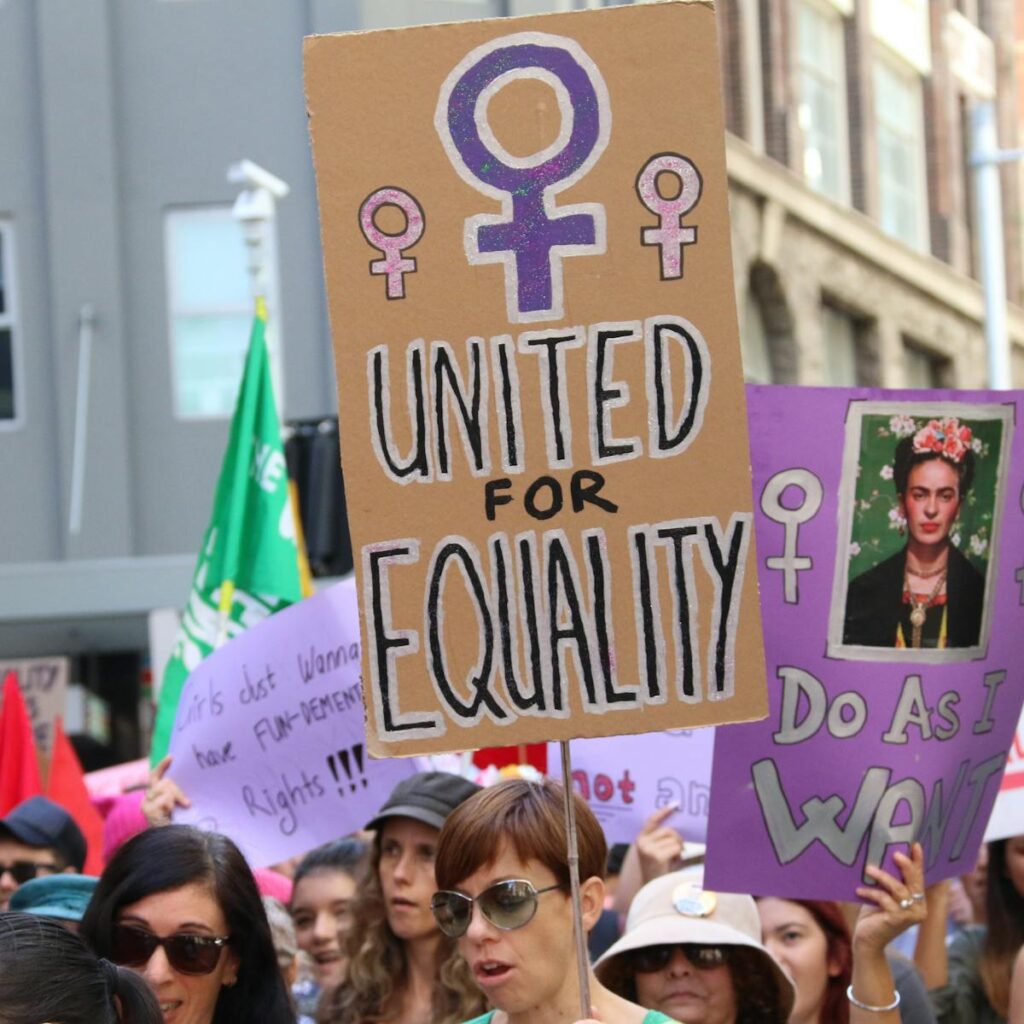
Then there’s the Venus symbol, the ancient glyph representing the goddess of love and beauty, often adorned with a clenched fist or other signifiers of power. This symbol reclaims the feminine, rejecting the male gaze and asserting the inherent worth and strength of womanhood. It’s a powerful visual statement, a declaration that femininity is not synonymous with weakness, but rather a source of profound resilience and power. It challenges the pervasive societal narrative that equates femininity with passivity and subservience.
But what about the appropriation of language? Think of the reclamation of words like “slut” or “bitch”. Once used as weapons to shame and control women, these terms are now being reappropriated as badges of honor, signs of defiance against societal expectations. This linguistic jujitsu disarms the patriarchy, stripping these words of their power to wound and turning them into tools of empowerment. It’s a strategic act of semantic sabotage.
Beyond the Surface: Unearthing the Psychological Underpinnings of Feminist Symbols
Why are these symbols so effective? The answer, I believe, lies in their ability to tap into deep-seated psychological needs. They offer a sense of belonging, a feeling of connection to a larger community of like-minded individuals. In a world that often silences and marginalizes women, these symbols provide a visual affirmation of their experiences, a validation of their struggles. They say, “You are not alone.”
Furthermore, these symbols offer a sense of agency, a feeling of control in a world that often feels overwhelming and oppressive. By embracing feminist iconography, women are actively participating in the creation of their own narratives, rejecting the stories that have been imposed upon them by patriarchal forces. This act of self-definition is incredibly empowering, a reclamation of their identities and their destinies.
Consider the visceral reaction some people have to feminist symbols. The discomfort, the anger, the dismissiveness. These reactions are not simply a matter of differing political opinions. They are a manifestation of the challenge that feminism poses to the established power structures. Feminist symbols are a threat to the status quo, a visual reminder that the existing order is being questioned, challenged, and ultimately, dismantled. The resistance they evoke is a testament to their power.
The Evolution of Feminist Iconography: From Suffrage Sashes to Digital Activism
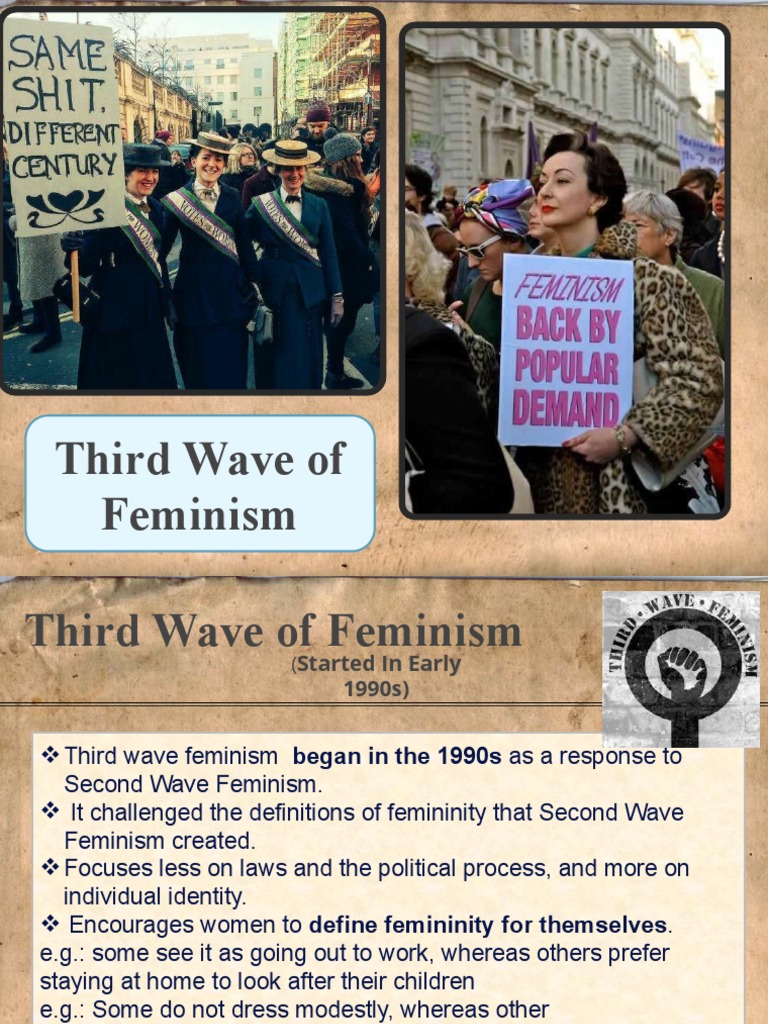
Feminist symbolism is not static. It evolves and adapts to the changing times, reflecting the evolving needs and priorities of the movement. From the suffrage sashes of the early 20th century to the viral hashtags of the 21st, feminist iconography continues to find new and innovative ways to express its message. The internet has become a fertile ground for the creation and dissemination of feminist symbols, allowing for a more diverse and inclusive representation of feminist ideals.
The use of memes, GIFs, and other forms of digital communication has allowed feminist activists to reach a wider audience, particularly younger generations. These digital symbols are often humorous, irreverent, and highly shareable, making them an effective tool for raising awareness and sparking conversations about feminist issues. The internet has democratized the creation of feminist symbolism, allowing anyone with a smartphone and a Wi-Fi connection to participate in the movement.
However, this digital landscape also presents new challenges. The proliferation of online harassment and cyberbullying has forced feminist activists to develop new strategies for protecting themselves and their ideas. The anonymity of the internet can embolden misogynistic trolls, who often use online platforms to spread hate speech and misinformation. Despite these challenges, the internet remains a powerful tool for feminist activism, a space where women can connect, organize, and share their stories with the world.
The Intersectional Imperative: Ensuring Inclusive Representation in Feminist Symbolism
One of the most important developments in feminist symbolism in recent years has been the growing emphasis on intersectionality. This concept, which recognizes that women’s experiences are shaped by a complex interplay of factors, including race, class, sexual orientation, and disability, has led to a more nuanced and inclusive representation of feminist ideals. Feminist symbols are no longer just about the experiences of white, middle-class women. They are now also about the experiences of women of color, LGBTQ+ women, disabled women, and women from marginalized communities around the world.
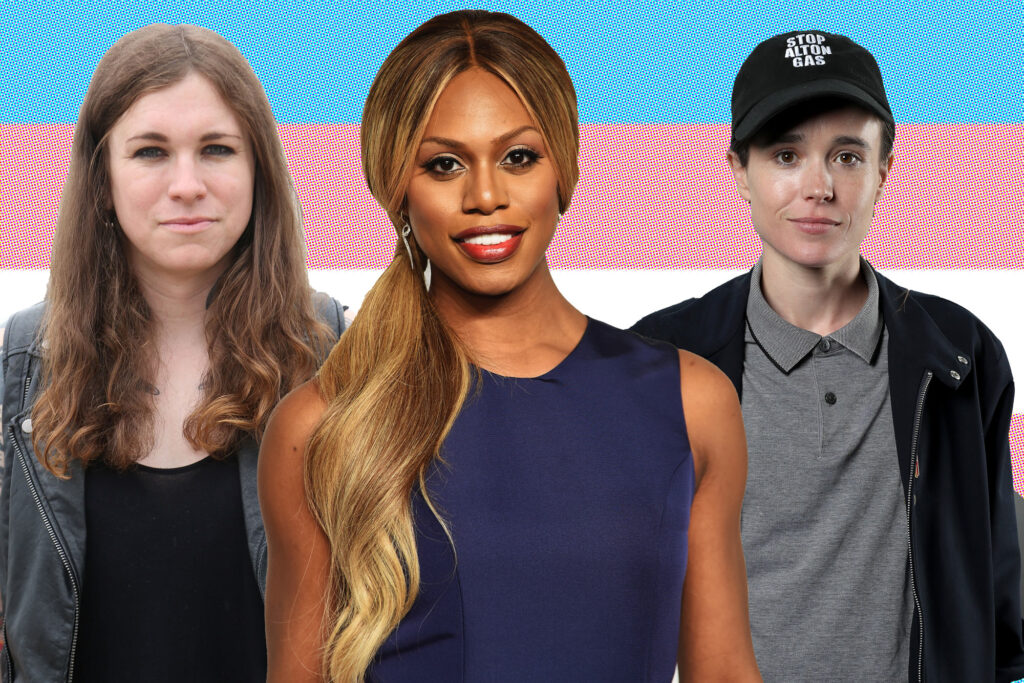
This shift towards intersectionality has led to the creation of new feminist symbols that reflect the diversity of the movement. For example, the use of inclusive language, such as “womxn” instead of “women,” acknowledges the experiences of transgender and non-binary individuals. The inclusion of images of women of color in feminist art and media challenges the historical erasure of women of color from the feminist narrative. The representation of disabled women in feminist activism and advocacy recognizes the unique challenges faced by disabled women.
However, the pursuit of intersectionality is an ongoing process. There is still much work to be done to ensure that feminist symbolism is truly representative of all women. It is crucial to listen to the voices of marginalized women and to incorporate their perspectives into the creation and dissemination of feminist symbols. We must be vigilant against tokenism and performative allyship, ensuring that our efforts to be inclusive are genuine and meaningful.
The Future of Feminist Symbolism: A Vision of Equality and Justice
What does the future hold for feminist symbolism? I believe that it will continue to evolve and adapt to the changing needs and priorities of the movement. It will become even more diverse, inclusive, and intersectional. It will embrace new technologies and platforms, finding innovative ways to reach a wider audience and spark conversations about feminist issues. It will continue to challenge the status quo, disrupt patriarchal structures, and inspire women to fight for equality and justice.
The symbols of feminism are not just pretty pictures or catchy slogans. They are a powerful force for change, a visual reminder of the ongoing struggle for gender equality. They offer a sense of belonging, a feeling of agency, and a source of inspiration. They challenge the status quo, disrupt patriarchal structures, and inspire women to fight for a more just and equitable world. They are the ideographs of our revolution, the visual language of our liberation.
But let us not become complacent. The struggle is far from over. We must continue to create, to disseminate, and to embrace feminist symbols, using them as tools to educate, to inspire, and to mobilize. We must be vigilant against those who seek to undermine the movement, to silence our voices, and to erase our history. We must stand together, united in our commitment to creating a world where all women are equal, free, and empowered.
The revolution will be symbolized. And those symbols will fuel the fire.







Leave a Comment