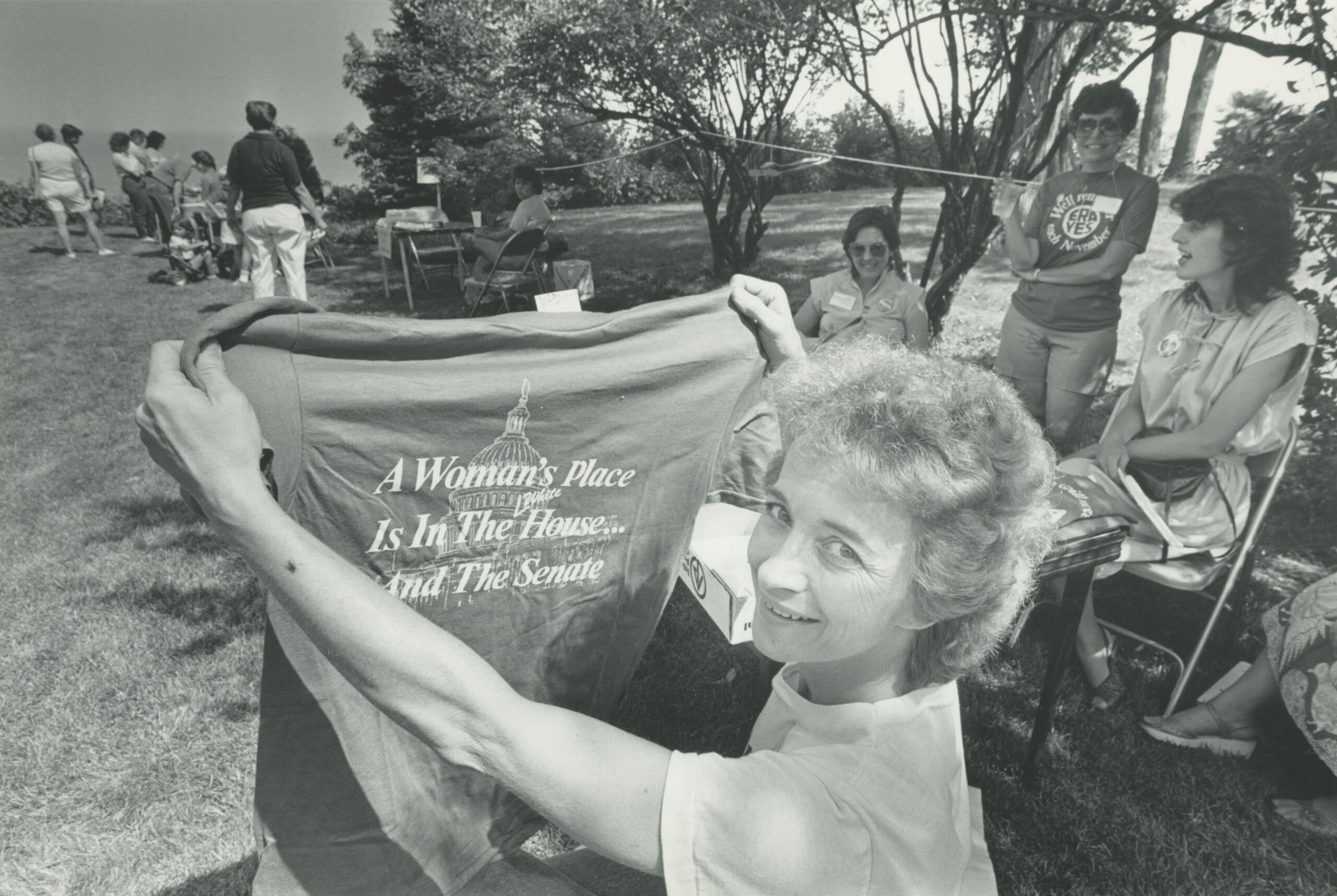
The second wave of feminism, a tempestuous surge of socio-political consciousness, crashed upon the shores of mid-20th century America, leaving an indelible mark on the landscape of gender relations. More than just a tremor of discontent, it was a seismic shift, a tectonic realignment of power dynamics that reverberates even today. To understand its potency, one must delve into its multifaceted goals, venturing beyond the simplistic narratives often presented. We’re not talking about mere polite requests for inclusion; this was a battle cry for systemic overhaul, a demand for liberation that extended from the sterile confines of the workplace to the intimately policed spaces of the home. This wasn’t your grandmother’s knitting circle; this was a revolution in consciousness.
This exploration will dissect the core objectives of this audacious movement, charting its course through the tumultuous waters of patriarchal resistance. Prepare to be challenged, provoked, and perhaps even enraged, because the truths unveiled are uncomfortable, yet undeniably essential. This is not a passive history lesson; it is an active engagement with the forces that continue to shape our world.
I. The Labyrinthine Landscape of Labor: Demanding Economic Autonomy
The second-wave feminists recognized that true equality could not be achieved without economic independence. Women, relegated to the peripheries of the professional world, were demanding access to the same opportunities and remuneration as their male counterparts. This wasn’t about simply “having a job”; it was about dismantling the deeply entrenched structures that perpetuated wage disparities, occupational segregation, and the insidious “glass ceiling.”
A. Equal Pay for Equal Work: Shattering the Wage Gap. The concept seems simple enough: if a woman performs the same job as a man, she should be paid the same wage. Yet, the reality was – and often still is – a labyrinth of justifications for unequal pay. The second wave confronted these justifications head-on, challenging the deeply ingrained societal biases that devalued women’s labor. They argued that the “family wage” ideology, which presumed men to be the primary breadwinners, was a relic of a bygone era and a tool for maintaining female economic dependence. They demanded legislation like the Equal Pay Act be rigorously enforced, and advocated for policies that would prevent employers from discriminating against women in hiring and promotion.
B. Occupational Desegregation: Breaking Down Barriers to Entry. Women were systematically excluded from entire sectors of the economy, relegated to low-paying, traditionally “female” occupations like nursing, teaching, and secretarial work. The second wave actively challenged these occupational barriers, pushing for access to male-dominated fields like medicine, law, engineering, and the trades. This involved not only legal challenges to discriminatory hiring practices but also the creation of support networks and mentorship programs to help women succeed in these unfamiliar environments. They fought to dismantle the insidious stereotypes that portrayed women as lacking the aptitude or ambition for certain careers, arguing that talent and skill were not gender-specific.
C. Challenging the “Glass Ceiling”: Ascending to Positions of Power. Even when women gained access to professional fields, they often found themselves stymied by an invisible barrier preventing them from rising to positions of leadership. The “glass ceiling,” a metaphor for the subtle but pervasive discrimination that kept women from reaching their full potential, became a central target of feminist activism. Second-wave feminists challenged the biased evaluation systems, the lack of mentorship opportunities, and the entrenched cultures of sexism that contributed to this phenomenon. They advocated for affirmative action policies to ensure women were given fair consideration for promotions and leadership roles, and they worked to create more inclusive workplaces that valued diverse perspectives.
II. Reclaiming the Domestic Sphere: From Servitude to Self-Determination
The home, often romanticized as a sanctuary of domestic bliss, was for many women a prison of unpaid labor and stifling expectations. The second wave dared to challenge this idealized image, exposing the oppressive realities of housework, childcare, and the relentless pressure to conform to traditional gender roles. They argued that the personal was political, and that the liberation of women required a fundamental re-evaluation of the power dynamics within the family.
A. Deconstructing the “Cult of Domesticity”: Rejecting Prescribed Roles. The “cult of domesticity,” a dominant ideology of the 19th and early 20th centuries, idealized women as pious, pure, submissive, and domestic. The second wave vehemently rejected this prescriptive framework, arguing that it limited women’s potential and trapped them in a cycle of dependence. They challenged the notion that women’s primary purpose was to be wives and mothers, and they advocated for the right to choose their own paths, whether that involved pursuing a career, engaging in political activism, or simply defining their own identities on their own terms. They exposed the ways in which the “cult of domesticity” was used to justify the denial of women’s rights and to reinforce patriarchal control.
B. Demanding Shared Responsibility for Housework and Childcare: Challenging Unequal Burdens. The second wave highlighted the stark disparity in the division of labor within the home, where women typically bore the brunt of housework and childcare responsibilities. They argued that this unequal distribution of labor was not only unfair but also a significant obstacle to women’s economic and professional advancement. They demanded that men take on a more equitable share of domestic responsibilities, and they advocated for policies like affordable childcare and parental leave to support working parents. They recognized that challenging traditional gender roles in the home was essential to achieving gender equality in all spheres of life.
C. Challenging Marital Rape and Domestic Violence: Asserting Bodily Autonomy. The second wave brought to light the previously taboo subjects of marital rape and domestic violence, exposing the prevalence of violence against women within the confines of the home. They argued that marital rape, the non-consensual sexual intercourse between spouses, was a violation of women’s bodily autonomy and should be recognized as a crime. They also worked to raise awareness of domestic violence, providing support to survivors and advocating for tougher laws and better resources for victims. They challenged the societal norms that condoned or excused violence against women, and they insisted on the right of all women to live free from fear and abuse.
III. Reproductive Rights and Bodily Autonomy: The Battle for Control Over One’s Self
Control over one’s body is the bedrock of autonomy. Second-wave feminists recognized that reproductive freedom was not merely a personal choice but a fundamental human right. They fought for access to contraception, abortion, and comprehensive sex education, challenging the laws and societal norms that restricted women’s ability to control their reproductive lives. This struggle was not just about access to services; it was about dismantling the patriarchal control over women’s bodies and reclaiming the right to self-determination.
A. Access to Contraception: Empowering Choice and Control. The fight for access to contraception was central to the second wave’s agenda. They challenged laws that restricted access to birth control, arguing that women should have the right to plan their families and control their reproductive lives. They advocated for the widespread availability of contraception, including the newly developed birth control pill, which offered women unprecedented control over their fertility. They recognized that access to contraception was essential for women’s economic and educational advancement, as it allowed them to delay or prevent pregnancy and pursue their goals without the constraints of unwanted motherhood.
B. Legalizing Abortion: Ensuring Safe and Legal Termination. The fight to legalize abortion was perhaps the most controversial and fiercely contested issue of the second wave. Feminists argued that abortion was a matter of bodily autonomy and that women should have the right to choose whether or not to terminate a pregnancy. They challenged laws that criminalized abortion, arguing that they were discriminatory and endangered women’s lives by forcing them to seek out unsafe, illegal abortions. The landmark Supreme Court decision in Roe v. Wade (1973) legalized abortion nationwide, marking a significant victory for the feminist movement. However, the fight for abortion rights continues to this day, as opponents of abortion have relentlessly sought to restrict access and overturn Roe v. Wade.
C. Comprehensive Sex Education: Empowering Knowledge and Responsibility. Second-wave feminists recognized the importance of comprehensive sex education in empowering individuals to make informed decisions about their sexual health and reproductive lives. They advocated for sex education programs that provided accurate information about contraception, sexually transmitted infections, and healthy relationships. They challenged the traditional, abstinence-only approaches to sex education, arguing that they were ineffective and harmful. They believed that young people had the right to know about their bodies and their options, and that comprehensive sex education was essential to preventing unintended pregnancies and promoting sexual health.
IV. Beyond the Binary: Challenging Heteronormativity and Embracing Diverse Sexualities
While often overlooked in mainstream narratives, the second wave also included a burgeoning movement to challenge heteronormativity and embrace diverse sexualities. Lesbian feminists played a crucial role in expanding the definition of feminism to include the experiences of women who did not conform to traditional heterosexual norms. They challenged the societal stigma associated with homosexuality and advocated for equal rights and recognition for LGBTQ+ individuals. This was not merely an addendum to the feminist agenda; it was an integral part of the struggle for liberation, recognizing that the oppression of women was inextricably linked to the oppression of all those who defied patriarchal norms.
A. Challenging Heteronormative Assumptions: Deconstructing Societal Norms. Heteronormativity, the assumption that heterosexuality is the only normal or natural sexual orientation, permeated all aspects of society, from laws and policies to cultural representations and social expectations. Lesbian feminists challenged these heteronormative assumptions, arguing that they were discriminatory and harmful. They questioned the idea that marriage was the only valid form of relationship and that women’s primary role was to be wives and mothers. They advocated for the recognition of same-sex relationships and the right of LGBTQ+ individuals to live openly and without discrimination.
B. Advocating for LGBTQ+ Rights: Fighting for Equality and Recognition. Lesbian feminists actively campaigned for LGBTQ+ rights, including the right to marry, the right to adopt children, and the right to protection from discrimination in employment, housing, and other areas. They challenged laws that criminalized same-sex relationships and advocated for the repeal of discriminatory legislation. They worked to raise awareness of the challenges faced by LGBTQ+ individuals and to promote understanding and acceptance. Their activism laid the groundwork for the modern LGBTQ+ rights movement.
C. Intersectionality: Recognizing the Interconnectedness of Oppressions. Second-wave feminism, while groundbreaking, was not without its limitations. It was often criticized for its focus on the experiences of white, middle-class women, neglecting the unique challenges faced by women of color, working-class women, and women with disabilities. However, some feminists, particularly lesbian feminists of color, began to develop an intersectional approach, recognizing that different forms of oppression are interconnected and that women’s experiences are shaped by their race, class, sexual orientation, and other identities. This intersectional perspective has become increasingly influential in contemporary feminist thought and activism.
The goals of second-wave feminism were ambitious and far-reaching, aiming to dismantle the systemic inequalities that oppressed women in all aspects of life. From demanding equal pay and access to education to fighting for reproductive rights and challenging heteronormativity, the second wave laid the foundation for the feminist struggles that continue to this day. While many of its goals have been achieved, much work remains to be done. The fight for gender equality is not over, and the lessons of the second wave remain as relevant as ever. The fire of liberation, once ignited, refuses to be extinguished.








Leave a Comment