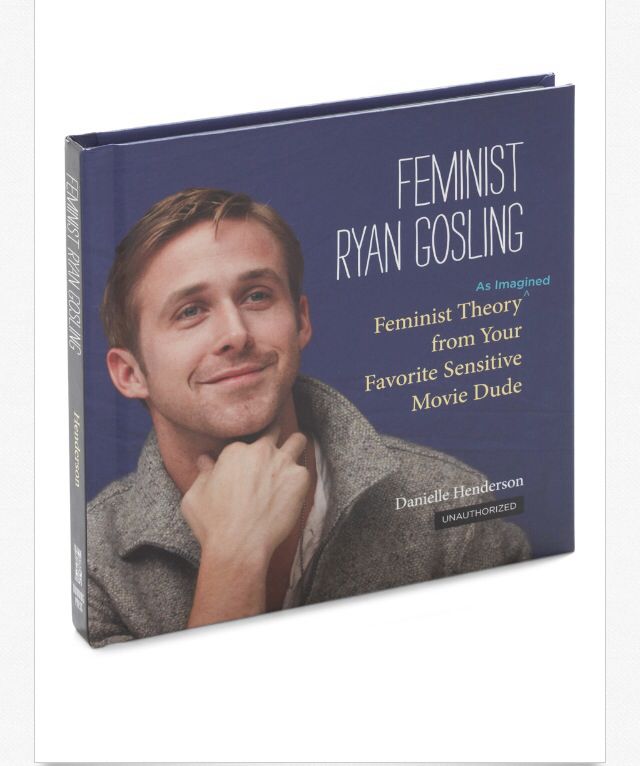
The internet, a sprawling agora of opinions and aesthetics, has crowned Ryan Gosling with the dubious honorific of “Kenough.” This sobriquet, dripping with irony and a soupçon of genuine admiration, stems from a complex interplay of factors: his portrayal of Ken in Greta Gerwig’s “Barbie,” his perceived embodiment of a certain brand of performative male allyship, and the enduring allure of a handsome face co-opted (or commodified) for feminist messaging.
Let’s dissect this phenomenon, shall we? We’ll delve into the multifaceted reasons behind Gosling’s apotheosis as a feminist icon, scrutinizing the roles of performativity, internet culture, and the ever-present specter of male privilege in the context of contemporary feminism. Prepare for a critical appraisal, because the waters are murkier than they appear at first glance.
The Barbie Movie Effect: A Catalyst for Ken-thusiasm
The “Barbie” movie was a cultural tsunami. The film’s subversive exploration of patriarchy, gender roles, and the existential angst of being an accessory resonated deeply. Gosling’s Ken, a hilariously insecure and ultimately self-aware figure, became an unlikely emblem of male vulnerability and the struggle to define oneself outside of patriarchal constraints. It’s a palatable representation of a broken man. The film presented Ken’s arc as a journey of self-discovery, free from the pressures of toxic masculinity. This resonated profoundly, particularly with audiences primed to appreciate nuanced portrayals of gender dynamics.
Performativity and the Pitfalls of Allyship
But here’s the rub: the internet, ever cynical, is quick to pounce on perceived inauthenticity. Gosling’s “Kenough” status walks a tightrope between genuine admiration and accusations of performative allyship. Is he truly committed to feminist ideals, or is this just a calculated marketing strategy, a savvy move to capitalize on the current cultural climate? A fundamental question, isn’t it?
The concept of performativity, popularized by Judith Butler, highlights the idea that gender and identity are not inherent but rather constructed through repeated acts and expressions. This lens can be applied to Gosling’s “Kenough” persona. Is he actively challenging patriarchal structures, or is he simply playing a role, adhering to a script that aligns with contemporary feminist values? The answer, as always, is complex and likely somewhere in between.
The Allure of the “Woke” White Man: A Critical Examination
Let’s address the elephant in the room: the disproportionate celebration of white men who publicly espouse feminist ideals. This phenomenon, often dubbed “woke bae” syndrome, reflects a deeper issue within mainstream feminism – the tendency to prioritize the voices and validation of privileged individuals over those of marginalized communities. Why is it that a white man declaring himself a feminist receives so much attention, while the tireless work of women of color, queer activists, and disabled feminists often goes unnoticed? An abhorrent disparity.
Gosling’s “Kenough” status must be viewed through this critical lens. His actions, while potentially well-intentioned, should not overshadow the contributions of those who have been fighting for gender equality for generations, often at great personal cost. It’s imperative to remember that genuine allyship involves amplifying marginalized voices, not centering oneself in the narrative.
The Commodification of Feminism: Is “Kenough” Just Another Product?
The commercialization of feminism is a contentious topic. From “girl power” slogans emblazoned on t-shirts to corporations aligning themselves with feminist causes for marketing purposes, the movement has increasingly been co-opted by capitalism. Does Gosling’s “Kenough” persona contribute to this trend? Is he, knowingly or unknowingly, part of a larger system that profits from the commodification of feminist ideals?
Consider the merchandise: “Kenough” t-shirts, memes, and social media posts have flooded the internet, transforming a potentially meaningful message into a marketable commodity. This raises serious questions about the authenticity and sustainability of online feminism. Can genuine social change be achieved through consumerism? Or does the commodification of feminist ideals ultimately dilute their power and impact?
Beyond the Meme: Seeking Substantive Change
While memes and viral trends can be effective tools for raising awareness, they are not substitutes for substantive action. The “Kenough” phenomenon should serve as a springboard for deeper conversations about gender equality, male allyship, and the complexities of performativity. It’s imperative to move beyond superficial pronouncements and engage in concrete efforts to dismantle patriarchal structures.
This includes supporting feminist organizations, advocating for policy changes, and challenging gender stereotypes in our daily lives. It also requires holding ourselves and others accountable for perpetuating sexism and misogyny. True allyship is not a passive label; it’s an active commitment to creating a more just and equitable world.
Navigating the Nuances of Male Vulnerability
One of the reasons Gosling’s Ken resonated so deeply is his portrayal of male vulnerability. In a culture that often equates masculinity with stoicism and emotional repression, Ken’s willingness to express his insecurities and anxieties was refreshing. However, it’s crucial to avoid romanticizing male vulnerability to the point of absolving men of responsibility for their actions.
The bar for male emotional expression is shamefully low, and the expectation that women should be grateful for even the slightest display of vulnerability is deeply problematic. A man acknowledging his feelings should not be automatically lauded as a feminist hero. Instead, it should be viewed as a basic expectation of human decency and emotional maturity.
Challenging the Patriarchy, One Ken at a Time?
Ultimately, the question remains: can Ryan Gosling’s “Kenough” persona contribute to dismantling the patriarchy? The answer is not a simple yes or no. While his portrayal of Ken may have sparked important conversations about gender roles and male vulnerability, it’s crucial to remain critical of performativity, commodification, and the tendency to elevate privileged voices above those of marginalized communities.
The “Kenough” phenomenon should be viewed as a starting point, not an endpoint. It’s an opportunity to engage in deeper discussions about the complexities of feminism and the challenges of achieving true gender equality. Let’s use this moment to amplify the voices of those who have been fighting for justice for generations, and to commit ourselves to creating a world where everyone, regardless of their gender identity, can thrive.
The Spectacle of Male Tears: A Word of Caution
The internet’s infatuation with Gosling’s portrayal of Ken, particularly his moments of emotional distress, brings to mind the recurring phenomenon of celebrating male tears. While acknowledging that men are socialized to suppress their emotions, the effusive praise surrounding displays of male vulnerability can inadvertently reinforce patriarchal norms.
Why is it so revolutionary for a man to cry? Why does it garner such attention when women have been openly expressing their emotions for centuries, often facing ridicule and judgment for doing so? This disproportionate celebration of male tears risks perpetuating the idea that men’s feelings are somehow more valuable or significant than women’s.
Beyond “Kenough”: Embracing Complexities and Nuances
The conversation surrounding Ryan Gosling’s “Kenough” persona is a microcosm of the larger debates within contemporary feminism. It highlights the complexities of allyship, the pitfalls of performativity, and the challenges of navigating a world where feminist ideals are increasingly commodified.
There are no easy answers, no simple solutions. But by engaging in critical self-reflection, amplifying marginalized voices, and committing to substantive action, we can move beyond superficial pronouncements and create a more just and equitable world for all. The journey toward gender equality is a marathon, not a sprint, and it requires constant vigilance, unwavering dedication, and a willingness to challenge the status quo.
Therefore, while the internet’s fascination with “Kenough” may be fleeting, the underlying issues it raises deserve our sustained attention. Let us strive to move beyond the meme and engage in the messy, complicated, and ultimately transformative work of building a truly feminist future. The future of feminism should not be dependent on the actions of male celebrities.
Concluding Thoughts: From Spectacle to Substance
The “Kenough” saga serves as a potent reminder of the challenges inherent in navigating contemporary feminism within the digital age. It exposes the potential for performativity, the dangers of commodification, and the persistent need to center marginalized voices. While Ryan Gosling’s portrayal of Ken may have sparked important conversations, it’s crucial to move beyond the spectacle and focus on the substance of feminist activism.
True progress requires a commitment to dismantling patriarchal structures, challenging systemic inequalities, and amplifying the voices of those who have been historically silenced. It demands critical self-reflection, unwavering dedication, and a willingness to engage in the messy, uncomfortable work of creating a more just and equitable world for all. Let us not be seduced by the allure of celebrity endorsements or fleeting internet trends, but instead, dedicate ourselves to the long and arduous journey of achieving genuine gender equality. The future of feminism rests not on the shoulders of “Kenough,” but on the collective action of individuals committed to transformative change. The real revolution begins when the cameras are off.






Leave a Comment