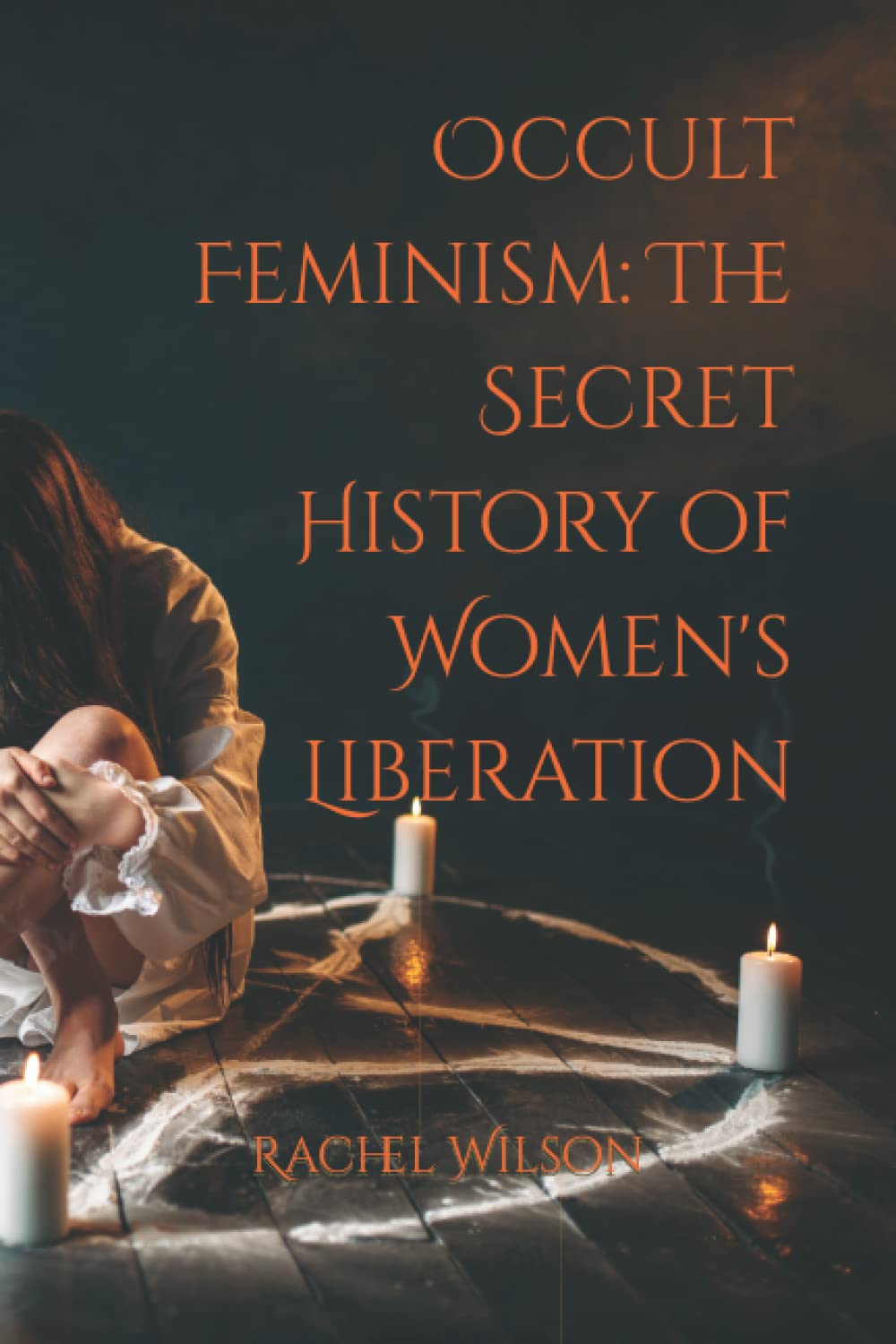
Rachel Wilson’s *Occult Feminism: The Secret History of Women’s Liberation* has landed like a hex in the otherwise predictable landscape of feminist literature. Forget the polite discourse; this book detonates comfortable narratives, unearthing the subversive symbiosis between radical feminist thought and the ethereal realms of magic. It’s a provocation, a grimoire disguised as history, and its controversial reception is a testament to the potent brew Wilson has concocted.
Why the uproar? It’s multifaceted, a swirling vortex of historical revisionism, theological unease, and the inherent challenge to established power structures – both within and outside of feminist circles. Let’s dissect this pandemonium, shall we?
I. Unearthing the Esoteric: Rewriting Feminist History Through a Mystical Lens
Wilson’s primary transgression, in the eyes of some, is her audacious reinterpretation of feminist history. She doesn’t merely acknowledge the presence of occult leanings among prominent feminist figures; she argues that these leanings were *integral* to their radicalism. Figures like Matilda Joslyn Gage and even certain interpretations of the suffragette movement are cast in a new light, illuminated by the flickering candle of esoteric belief. Gage, for example, wasn’t simply advocating for women’s suffrage; she was challenging patriarchal religious structures at their very core, often employing symbolism and language that resonated with pre-Christian goddess worship. The book dares to propose that their challenge was intertwined with a deeper spiritual awakening, a rejection of the dominant Judeo-Christian narrative that had historically subjugated women.
This is where the controversy truly ignites. Many historians and feminist scholars balk at what they perceive as an overreach, a romanticization of the occult that obscures the very real socio-political struggles these women faced. They argue that attributing agency to mystical forces diminishes the agency of the activists themselves, reducing their complex motivations to vague notions of spiritual influence. It becomes a question of hermeneutics: are we celebrating their empowerment, or accidentally belittling their political impact by imbuing them with something that borders on supernatural intervention?
Furthermore, the book challenges the established secular narrative within modern feminism. For some, the very idea of incorporating spiritual or religious elements into feminist discourse is anathema, seen as a step backward into the superstitious darkness from which the Enlightenment supposedly liberated us. But Wilson’s argument isn’t about promoting any particular faith; it’s about acknowledging the historical reality that many women, marginalized by mainstream religion, found solace and empowerment in alternative spiritual traditions.
II. The Shadow Side: Addressing Concerns About Appropriation and Cultural Sensitivity
No discussion of occultism can ignore the thorny issue of cultural appropriation. Many magical practices and traditions are deeply rooted in specific cultures and communities, and their appropriation by outsiders – particularly those from dominant Western cultures – can be deeply problematic. *Occult Feminism* navigates this minefield, but not always successfully, according to some critics.
The concern is not necessarily about the inclusion of diverse spiritual practices; rather, it’s about the *context* in which they are presented. Are these traditions being examined with the appropriate level of respect and understanding? Are their origins and cultural significance being properly acknowledged? Or are they being simply mined for symbols and rituals to bolster a Western feminist agenda, devoid of their original meaning and context? Wilson is careful, but the critique persists that her work, despite best intentions, might sometimes tread a fine line.
This raises a crucial point: the responsibility of the author when dealing with sensitive cultural material. It’s not enough to simply be “interested” in a particular tradition; a commitment to genuine engagement, respectful scholarship, and amplifying the voices of practitioners from that tradition is paramount. The discourse around the book highlights the ongoing need for vigilance and critical self-reflection within feminist and spiritual communities alike.
III. The Power of Symbolism: Unpacking the Language of Witchcraft and Goddess Worship
A significant portion of *Occult Feminism* delves into the symbolic language of witchcraft and goddess worship, exploring how these symbols resonated with feminist activists and provided a framework for challenging patriarchal norms. The figure of the witch, often demonized as a symbol of female evil, is reclaimed as a symbol of female power, independence, and defiance. The veneration of goddesses, representing different aspects of female experience and divinity, offered an alternative to the male-dominated imagery of traditional religions.
The use of symbolism allows for a more nuanced and subversive critique of patriarchal power. It’s a way of bypassing direct confrontation and communicating radical ideas through allegory and metaphor. The book examines how feminists used these symbols to create a shared sense of identity, to challenge societal expectations, and to envision a more equitable future. Consider, for example, the appropriation of the pentacle – a symbol often associated with witchcraft – by some feminist groups as a symbol of female empowerment and connection to the Earth.
However, this exploration of symbolism is not without its detractors. Some argue that it risks romanticizing a history of persecution and violence against women accused of witchcraft. It’s crucial to remember that the historical witch hunts were a brutal manifestation of patriarchal power, and that the women targeted were often marginalized and vulnerable members of society. The book acknowledges this history, but the debate continues about whether the focus on symbolism inadvertently obscures the very real suffering of these women.
IV. Beyond the Academic: Connecting the Past to Contemporary Feminist Praxis
Wilson doesn’t confine her exploration to the dusty archives of history; she draws connections between the occult feminism of the past and contemporary feminist activism. She argues that the same principles of challenging patriarchal power, embracing female spirituality, and reclaiming marginalized voices are still relevant today.
This is where the book becomes a call to action, urging readers to consider the potential of incorporating spiritual practices and occult symbolism into their own feminist praxis. It’s an invitation to explore the power of ritual, meditation, and other techniques to cultivate inner strength, build community, and effect social change. It suggests that feminism is not just a political movement, but also a spiritual path, a way of connecting with something larger than oneself and working towards a more just and equitable world. This notion often draws ire due to its unconventional and anti-establishment character.
However, the practical implications of this are debated. Critics question whether incorporating occult elements into feminist activism risks alienating potential allies and reinforcing negative stereotypes about feminists as being “out there” or “unrealistic.” They argue that focusing on tangible political goals and concrete policy changes is a more effective way to achieve meaningful change. The book’s challenge is in inspiring praxis without devolving into appropriation or losing sight of feminist goals.
V. The Inherent Threat: Challenging Established Power Structures
Ultimately, the controversy surrounding *Occult Feminism* boils down to a fundamental challenge to established power structures. It’s not just about rewriting history or incorporating spiritual elements into feminist discourse; it’s about questioning the very foundations of our society and imagining alternative ways of being.
The patriarchy, at its core, is not just a system of political and economic domination; it’s also a system of spiritual and cultural control. By challenging patriarchal religious narratives, reclaiming female spirituality, and celebrating the power of marginalized voices, *Occult Feminism* strikes at the heart of this system. It threatens the status quo and invites us to imagine a world where women are not only equal to men, but also empowered to embrace their own unique spiritual and creative potential.
This is why the book is so controversial. It’s not just about history; it’s about the present and the future. It’s about reclaiming our power, challenging the dominant narrative, and creating a more just and equitable world for all. Whether you agree with Wilson’s conclusions or not, *Occult Feminism* is a book that demands to be reckoned with, a provocative and challenging work that will continue to spark debate for years to come. It forces us to confront uncomfortable truths, to question our assumptions, and to imagine a world where the sacred feminine is once again honored and celebrated.








Leave a Comment