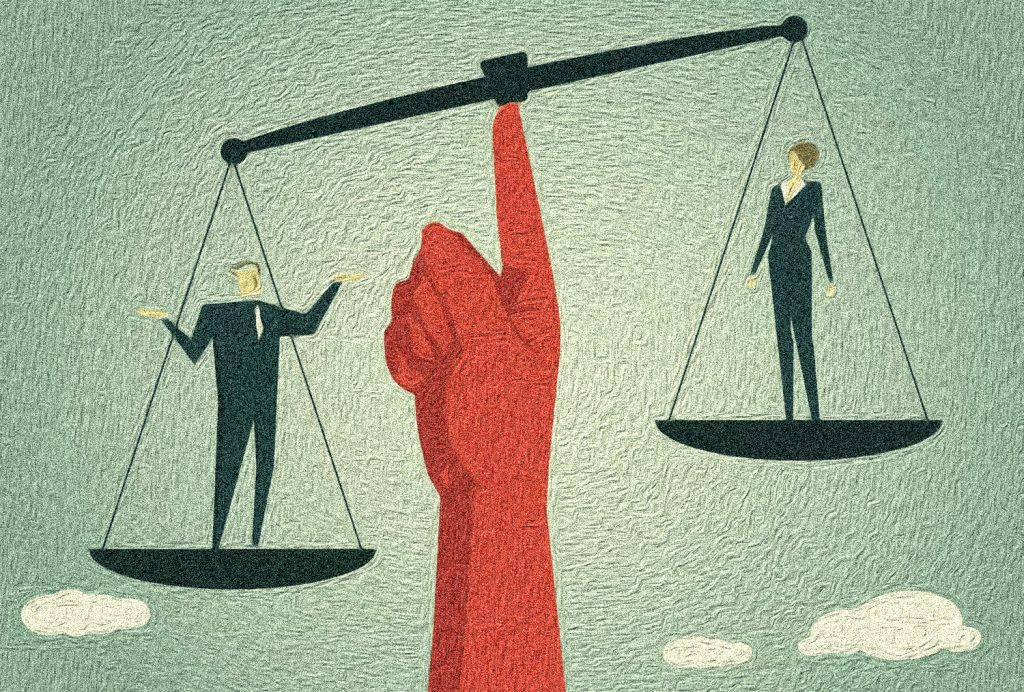
The societal chessboard is perpetually arranged for a game of power, a contest between two titans: Patriarchy and Feminism. These forces are not mere abstract concepts; they are the very architecture of our social reality, shaping relationships, dictating opportunities, and molding individual destinies. Patriarchy, a system characterized by the systemic privileging of masculine norms and male dominance, stands as the entrenched incumbent. Feminism, a kaleidoscopic movement advocating for the social, political, and economic equality of the sexes, rises as the challenger, demanding a radical reimagining of the status quo.
This conflict is not merely a clash of ideologies; it is a struggle for agency, for autonomy, for the fundamental right to define one’s own existence free from the fetters of predetermined social roles. Are you ready to delve into the intricate dynamics of this enduring battle?
I. Patriarchy: Deconstructing the Citadel of Male Dominance
Patriarchy is more than just “men being in charge.” It is a pervasive, often invisible, system of power relations woven into the very fabric of our institutions, our cultures, and our minds. To truly understand its insidious grip, we must dissect its multifaceted manifestations:
A. Institutionalized Androcentrism: The World Through a Male Lens
Our legal systems, educational institutions, and even scientific research are often predicated upon androcentrism – a perspective that centers the male experience as the universal norm. The historical exclusion of women from positions of power has resulted in laws and policies that disproportionately benefit men, perpetuate gender pay gaps, and fail to adequately address issues like reproductive rights and gender-based violence. Curricula often prioritize male perspectives and contributions, marginalizing or completely omitting the experiences and achievements of women. Imagine a world built by men, for men. That’s not a hypothetical; it is the lived reality under patriarchal dominance.
B. Cultural Hegemony: Internalizing the Patriarchal Narrative
Patriarchy maintains its power not just through force or legislation, but through cultural hegemony – the subtle yet pervasive influence of dominant ideologies that shape our beliefs and values. Media representations often reinforce stereotypical gender roles, portraying women as passive, emotional, and primarily defined by their physical appearance, while men are depicted as assertive, rational, and driven by ambition. This constant barrage of gendered messaging normalizes patriarchal norms and makes it difficult for individuals to challenge the status quo. Think about the fairy tales we are told as children. Who is the hero? Who is the damsel in distress? These narratives are not innocent entertainment; they are powerful tools of socialization.
C. The Imposition of Gender Binaries: Constricting the Spectrum of Human Experience
Patriarchy thrives on the rigid enforcement of gender binaries – the artificial division of humanity into two mutually exclusive categories: male and female. This binary framework not only marginalizes individuals who identify as non-binary or gender non-conforming, but also limits the potential for self-expression and authentic living for everyone. Men are often pressured to conform to ideals of stoicism, strength, and dominance, while women are expected to be nurturing, submissive, and focused on beauty. These confining gender roles stifle individual potential and perpetuate harmful stereotypes. Why must we squeeze ourselves into these pre-determined boxes? The human experience is far too complex and nuanced to be reduced to a binary.
D. The Patriarchal Bargain: Complicity in Exchange for Relative Power
The patriarchal bargain refers to the individual and collective strategies employed by women to navigate and sometimes benefit from patriarchal systems. By conforming to certain expectations or leveraging traditional roles, some women may gain access to limited power or resources. This complicity, however, reinforces the system as a whole and perpetuates the marginalization of other women who do not or cannot make the same bargain. It is a Faustian pact, offering short-term gains at the expense of long-term liberation. The pressure to “play the game” can be immense, but it is essential to recognize the insidious nature of this bargain and strive for a more equitable alternative.
II. Feminism: A Multifaceted Uprising Against Oppression
Feminism is not a monolithic ideology; it is a dynamic and evolving movement encompassing a diverse range of perspectives and approaches. At its core, feminism seeks to dismantle patriarchal structures and create a society where all genders can thrive. To fully appreciate its transformative potential, we must explore its various strands:
A. Liberal Feminism: Leveling the Playing Field Through Legal Reform
Liberal feminism focuses on achieving gender equality through legal and political reforms. It advocates for equal rights, equal opportunities, and the elimination of discriminatory laws and policies. By challenging systemic barriers and promoting individual autonomy, liberal feminists strive to create a society where women can compete with men on equal footing. This approach is essential for securing fundamental rights and dismantling overt forms of discrimination, but it is not always sufficient to address the deeper, more systemic roots of patriarchal oppression. It is about equality of opportunity, a start, but what about the entrenched biases that exist thereafter?
B. Radical Feminism: Dismantling the Patriarchy at its Roots
Radical feminism challenges the very foundations of patriarchal society, arguing that gender inequality is deeply embedded in social structures, cultural norms, and even language itself. It emphasizes the importance of dismantling these structures and creating a fundamentally different social order based on principles of equality, justice, and liberation. Radical feminists often focus on issues such as reproductive rights, violence against women, and the social construction of gender. This perspective is crucial for understanding the profound and far-reaching impact of patriarchy, but its more radical proposals can sometimes be controversial or impractical.
C. Socialist Feminism: Uniting Class Struggle with Gender Liberation
Socialist feminism recognizes the interconnectedness of gender oppression and economic inequality. It argues that patriarchy and capitalism work together to exploit and marginalize women, particularly those from working-class backgrounds. Socialist feminists advocate for both gender equality and economic justice, seeking to create a society where all individuals have equal access to resources and opportunities. By addressing the intersection of class and gender, socialist feminism offers a powerful critique of systemic oppression and a vision for a more equitable future. It rightly points out that liberation cannot be achieved in isolation; it must be intertwined with broader social and economic transformations.
D. Intersectionality: Recognizing the Complexities of Identity
Intersectionality, a concept developed by Kimberlé Crenshaw, recognizes that individuals experience oppression based on the intersection of various social categories, such as race, class, gender, sexual orientation, and disability. This framework highlights the importance of understanding how different forms of oppression interact and compound one another, shaping unique experiences of marginalization. By acknowledging the complexities of identity, intersectional feminism challenges the notion of a universal “woman’s experience” and promotes inclusivity and solidarity among diverse groups. It is a crucial reminder that feminism must be inclusive and attentive to the needs and experiences of all women, particularly those who are most marginalized.
III. The Ongoing Conflict: Manifestations and Repercussions
The conflict between Patriarchy and Feminism is not a historical relic; it is a living, breathing reality that shapes our everyday lives. This tension manifests in myriad ways, leaving an indelible mark on individuals, communities, and the world at large:
A. The Gender Pay Gap: A Persistent Economic Disparity
The gender pay gap, the persistent disparity in earnings between men and women for the same work or work of equal value, is a stark reminder of the ongoing economic consequences of patriarchy. This gap is not simply a matter of individual choices or qualifications; it reflects systemic biases in hiring, promotion, and wage negotiation. The gender pay gap disproportionately affects women of color and exacerbates existing inequalities. It is a theft of potential, a devaluation of women’s labor, and a barrier to economic empowerment.
B. Gender-Based Violence: A Pervasive Threat to Women’s Safety
Gender-based violence, including domestic violence, sexual assault, and harassment, is a widespread and deeply entrenched problem that affects women across all cultures and socioeconomic backgrounds. This violence is not simply a matter of individual acts of aggression; it is rooted in patriarchal norms and power imbalances that normalize and condone the abuse of women. Gender-based violence has devastating consequences for individuals, families, and communities, perpetuating cycles of trauma and inequality. It is a societal pandemic, a blight on our collective conscience, and a call to action for radical change.
C. Reproductive Rights: A Battleground for Bodily Autonomy
The struggle for reproductive rights, including access to abortion, contraception, and comprehensive sexual education, is a central battleground in the conflict between Patriarchy and Feminism. Patriarchal forces often seek to control women’s reproductive choices, viewing them as a means of maintaining social order and reinforcing traditional gender roles. Feminists, on the other hand, argue that reproductive autonomy is a fundamental human right, essential for women’s health, well-being, and economic empowerment. This conflict is not just about individual choices; it is about the fundamental right to control one’s own body and destiny.
D. The Backlash Against Feminism: A Resurgence of Traditional Values
The progress made by feminism has often been met with a backlash, a resurgence of traditional values and a resistance to social change. This backlash can manifest in various forms, including the demonization of feminists, the promotion of conservative gender roles, and the rollback of reproductive rights. The backlash against feminism is a reminder that the struggle for equality is never truly over and that vigilance and activism are essential to protect and expand the gains that have been made.
IV. Moving Forward: Towards a More Equitable Future
The conflict between Patriarchy and Feminism is far from over. The pursuit of a truly equitable future requires a multifaceted approach that addresses the root causes of gender inequality and empowers individuals to challenge the status quo:
A. Education and Awareness: Challenging Gender Stereotypes
Education and awareness are crucial for dismantling patriarchal norms and challenging gender stereotypes. By promoting critical thinking, fostering empathy, and providing accurate information about gender equality, we can empower individuals to question societal expectations and embrace more inclusive and equitable perspectives. Education is the cornerstone of change, the seed from which a more just society can blossom.
B. Legal and Policy Reform: Ensuring Equal Rights and Opportunities
Legal and policy reforms are essential for ensuring equal rights and opportunities for all genders. This includes enacting laws that prohibit discrimination, promote pay equity, protect reproductive rights, and address gender-based violence. Laws are not just words on paper; they are the scaffolding of a just society, the framework upon which equality can be built.
C. Grassroots Activism: Amplifying Marginalized Voices
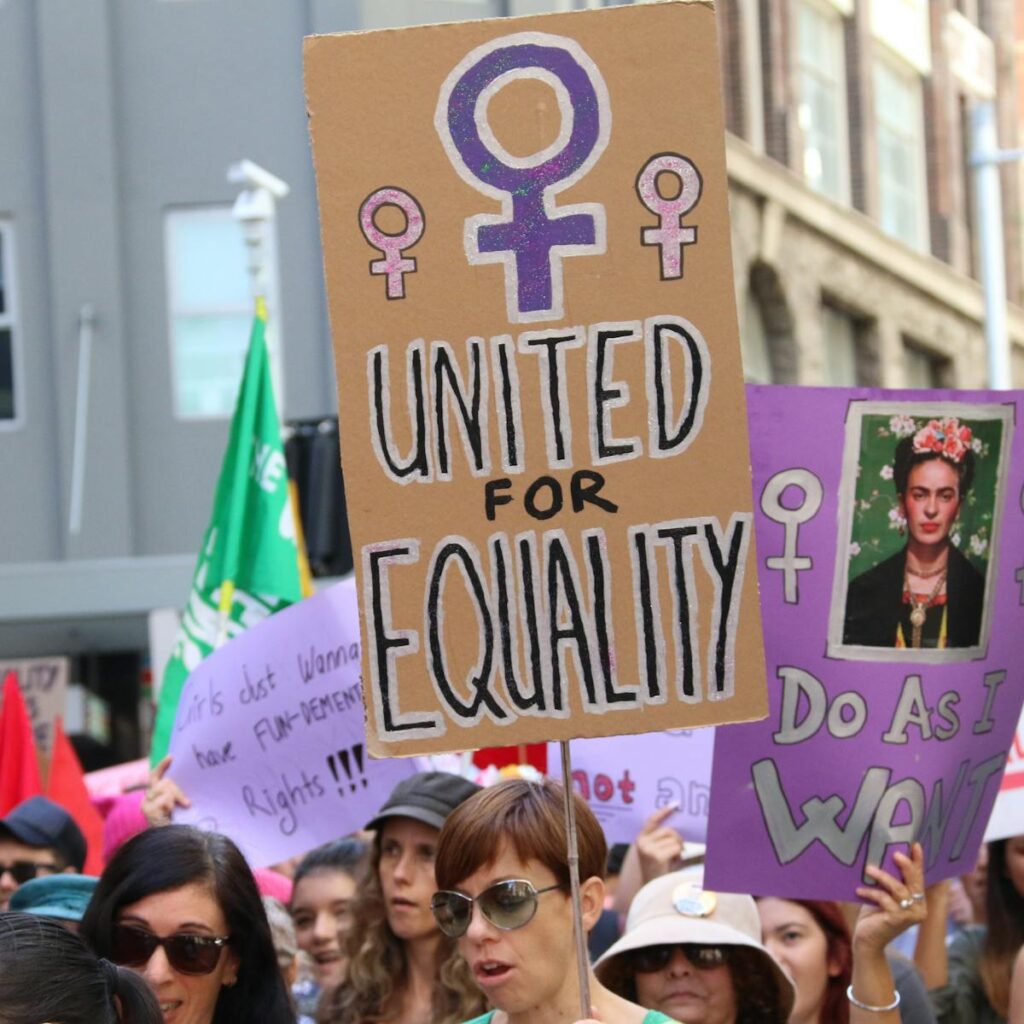
Grassroots activism, the collective action of individuals and communities, is vital for challenging power structures and amplifying marginalized voices. By organizing protests, advocating for policy changes, and supporting community-based initiatives, we can create a powerful force for social change. Change bubbles up from below, a groundswell of collective action that can topple even the most entrenched systems of oppression.
D. Solidarity and Allyship: Building a United Front
Solidarity and allyship are essential for building a united front against patriarchal oppression. By supporting and amplifying the voices of marginalized groups, challenging our own biases, and working together across differences, we can create a more inclusive and equitable movement for change. No one is free until everyone is free. Solidarity is the bedrock of lasting change, the unwavering commitment to stand alongside those who are most vulnerable.
The clash between Patriarchy and Feminism is a struggle for the very soul of humanity. It is a conflict that demands our attention, our engagement, and our unwavering commitment to building a future where all genders can thrive. Will you join the fight?







Leave a Comment