If feminism, as a concept and movement, vanished tomorrow, would the sun still rise? A facetious question, perhaps, but one that underscores a critical juncture in our ongoing struggle for gender liberation. The very lexicon we employ to articulate the nuances of gender equality is, ironically, becoming a constraint. The term ‘feminism’, laden with decades of sociopolitical baggage, often elicits a visceral reaction, a knee-jerk rejection from those who misunderstand its core tenets, or worse, actively oppose them. Are we, therefore, tethered to a linguistic anchor that hinders our forward progress? Are we sacrificing substantive change at the altar of semantics?
The challenge, my dears, is not to abandon the fight, but to recalibrate our approach. To scrutinize the language itself, the very vehicle of our ideology. To explore alternate vocabularies, alternative frameworks that might resonate more profoundly with a broader audience. This is not about diluting the message, heavens no! It is about amplifying its reach, broadening its appeal, and ultimately, achieving the transformative societal shift we so desperately seek.
I. The Semantic Straitjacket: Why ‘Feminism’ Falls Short
The term ‘feminism’ has become, for many, a byword for man-hating, radicalism, and a host of other unsavory connotations perpetuated by those who benefit from the existing patriarchal power structures. This misrepresentation, deliberate or otherwise, creates an immediate barrier to entry for potential allies. The average person, bombarded with biased media portrayals and subjected to insidious propaganda, is often hesitant to identify with a movement so thoroughly demonized.
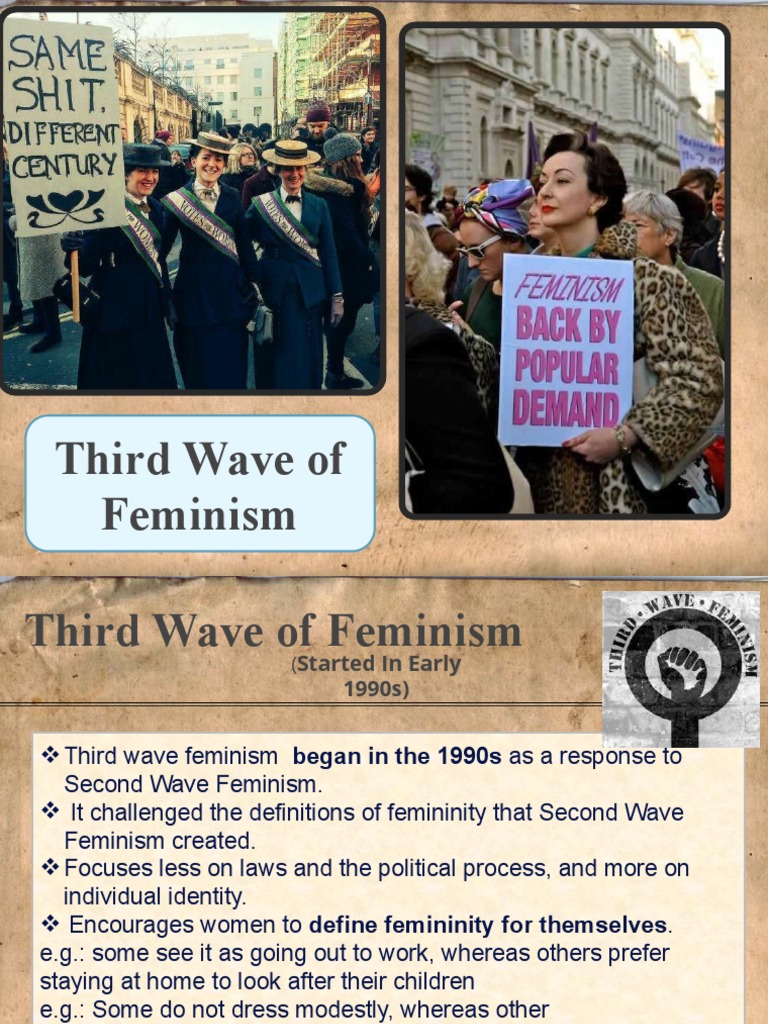
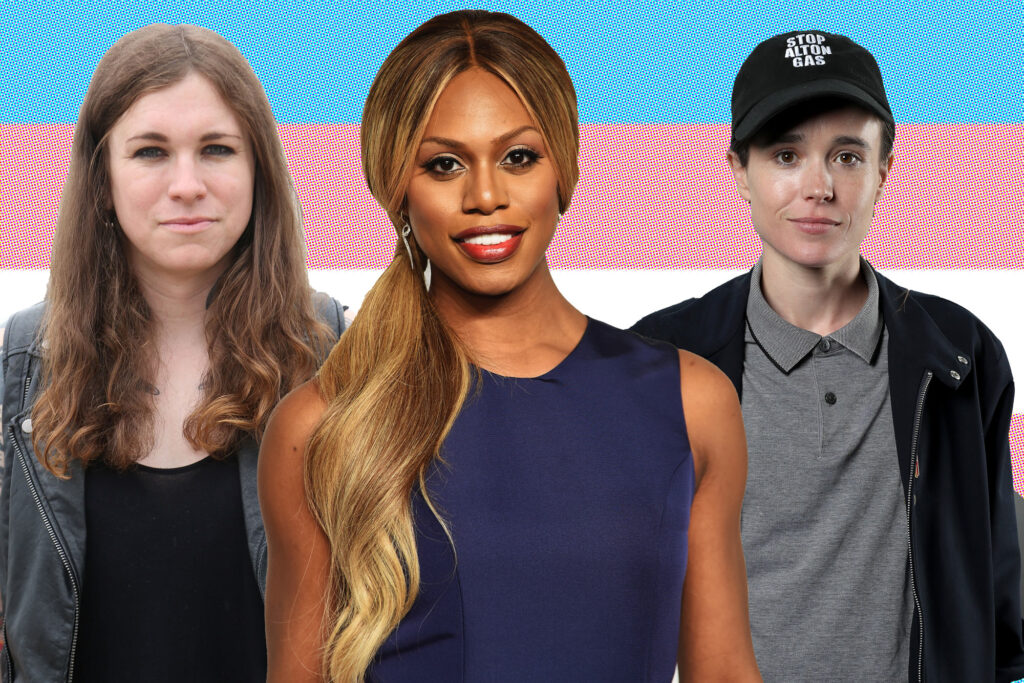
Furthermore, the historical baggage associated with the term can be exclusionary. Different waves of feminism have prioritized different concerns, sometimes at the expense of marginalized groups within the movement itself. The experiences of women of color, transgender women, and women with disabilities have often been relegated to the periphery, creating a sense of alienation and mistrust. The very word, therefore, can become a symbol of past injustices and unaddressed inequities.
Finally, ‘feminism’ often implies a singular, monolithic ideology, when in reality, the movement is incredibly diverse, encompassing a wide range of perspectives and approaches. This lack of nuance can be off-putting to those who feel that their own experiences and beliefs are not adequately represented. The label becomes a cage, confining individuals to a pre-defined set of expectations and limiting their ability to engage with the movement on their own terms.
II. Lexical Alternatives: Expanding the Grammatical Horizon
If ‘feminism’ is proving to be a suboptimal descriptor, what alternatives might we consider? What other words can encapsulate the essence of our struggle for gender liberation, while simultaneously circumventing the negative connotations and historical baggage associated with the term?
A. Egalitarianism: This term emphasizes the fundamental equality of all individuals, regardless of gender. It promotes the idea that everyone deserves equal rights, opportunities, and treatment. While it may lack the specific focus on gender that ‘feminism’ provides, it offers a broader, more inclusive framework that can appeal to those who are wary of identity politics.
B. Gender Equity: This concept acknowledges that men and women may have different needs and experiences, and that achieving true equality requires addressing these differences. It focuses on creating fair and just outcomes for all genders, rather than simply treating everyone the same. This approach can be particularly effective in addressing systemic inequalities that disproportionately affect women.
C. Humanism: This philosophical stance emphasizes the inherent worth and dignity of all human beings. It promotes reason, ethics, and social justice, and can be a powerful tool for advocating for gender equality within a broader framework of human rights. By focusing on shared humanity, we can overcome the divisions that often plague discussions of gender.
D. Womanism: Coined by Alice Walker, this term specifically addresses the experiences of Black women and recognizes the intersectionality of race, class, and gender. It provides a framework for understanding the unique challenges faced by women of color and promotes a more inclusive and nuanced understanding of feminism.
E. Gender Liberation: This phrase moves beyond the concept of equality to focus on the freedom from oppressive gender norms and expectations. It emphasizes the importance of individual autonomy and self-determination, allowing individuals to define their own identities and relationships free from societal constraints. This approach is particularly relevant in addressing issues of gender identity and expression.
F. Patriarchy Disruptor: A more provocative term, this directly challenges the existing power structure and emphasizes the active role we play in dismantling it. It is a call to action, urging individuals to actively resist patriarchal norms and behaviors in their daily lives. This approach can be particularly effective in mobilizing younger generations and energizing the movement.
G. Gender Alchemist: A more abstract and evocative term, this suggests the potential for transformative change. It implies that we have the power to transmute societal norms and create a more equitable and just world. This approach can appeal to those who are drawn to creative expression and innovative solutions.
III. Re-Contextualizing the Narrative: Beyond the Label
Ultimately, the goal is not simply to replace one label with another, but to fundamentally shift the narrative around gender equality. This requires a multi-pronged approach that addresses the root causes of gender inequality and promotes a more nuanced and inclusive understanding of the issue.
A. Education and Awareness: We must actively combat misinformation and promote accurate representations of feminism and gender equality in the media and in educational settings. This includes challenging harmful stereotypes, highlighting the achievements of women, and promoting critical thinking skills that allow individuals to evaluate information objectively.
B. Intersectionality: We must recognize and address the intersectionality of gender with other forms of oppression, such as racism, classism, and ableism. This requires listening to the voices of marginalized groups and centering their experiences in our activism. It also requires acknowledging our own privileges and biases and working to dismantle systems of oppression from within.
C. Grassroots Organizing: We must continue to build strong grassroots movements that empower individuals to advocate for change in their own communities. This includes supporting local organizations, participating in protests and demonstrations, and engaging in direct action to challenge injustice.
D. Political Advocacy: We must advocate for policies that promote gender equality at all levels of government. This includes supporting legislation that protects reproductive rights, promotes equal pay, and combats gender-based violence. It also requires holding elected officials accountable for their actions and demanding that they prioritize the needs of women and marginalized groups.
E. Cultural Transformation: We must work to transform the cultural norms and values that perpetuate gender inequality. This includes challenging sexist language and imagery, promoting positive representations of women in the media, and encouraging men to embrace more equitable roles in relationships and families.
IV. Embracing the Polymorphous: A Future Beyond Definition
Perhaps the most radical proposition is to move beyond the need for a single, all-encompassing label altogether. To embrace the fluidity and complexity of gender and to recognize that the struggle for liberation is an ongoing process, not a fixed destination.
This approach requires us to be more flexible and adaptable in our language and strategies. To be willing to experiment with new approaches and to learn from our mistakes. It also requires us to be more open to dialogue and collaboration, even with those who hold different perspectives.
Ultimately, the goal is to create a world where gender is no longer a barrier to opportunity or a source of oppression. A world where everyone is free to live their lives to the fullest, regardless of their gender identity or expression. This is a vision worth fighting for, regardless of what we call it.
Let us, therefore, engage in a process of constant interrogation and re-evaluation. Let us be audacious in our pursuit of liberation. Let us not be shackled by the constraints of language, but instead, harness its power to create a future where equality, equity, and justice are not merely aspirations, but lived realities. The revolution, my darlings, will not be televised. It will be articulated, debated, and ultimately, realized through the collective effort of those who dare to imagine a better world.






Leave a Comment