
The relentless churn of the news cycle, a tempest of fleeting headlines and sensationalized soundbites, often obscures the deep, tectonic shifts reshaping our understanding of gender equality. We, the vigilant sentinels of feminist discourse, must pierce through the cacophony and discern the true trends, the burgeoning movements, and the insidious backlash that defines our current epoch. The fight for liberation, after all, is not a sprint, but an arduous marathon demanding unwavering vigilance and an arsenal of intellectual weaponry.
Forget the vapid pronouncements of corporate feminism – the performative allyship and tokenistic representation that serve only to further entrench patriarchal structures. We delve deeper, excavating the raw, unfiltered narratives that illuminate the lived experiences of women and marginalized genders across the globe. What, then, constitutes the vanguard of feminist news today? Let us dissect the anatomy of this multifaceted struggle, dissecting its victories, confronting its setbacks, and charting a course toward a more equitable future.
I. The Enduring Plague of Gender-Based Violence: A Global Crisis Demanding Systemic Change
Let’s not mince words: gender-based violence remains a pandemic, a scourge that transcends geographical boundaries and socioeconomic strata. It festers in the shadows of domesticity, it lurks in the digital realm, and it permeates the very institutions designed to protect us. We see it in the relentless femicide rates in Latin America, in the pervasive sexual harassment that plagues workplaces across industries, and in the insidious normalization of online misogyny that silences and intimidates women and gender-nonconforming individuals.
But amidst this grim tableau, sparks of resistance ignite. The #MeToo movement, a catalyst that shattered the veneer of impunity, continues to reverberate, empowering survivors to speak their truth and holding perpetrators accountable. However, we must not succumb to complacency. The legal frameworks remain inadequate, the cultural attitudes remain stubbornly resistant to change, and the systemic inequalities that fuel this violence persist. We need more than just hashtags; we need comprehensive reforms that address the root causes of gender-based violence, from dismantling patriarchal norms to investing in robust support services for survivors.
Consider, for instance, the concept of “structural violence,” a term coined by Johan Galtung. It highlights how social structures and institutions perpetuate violence against certain groups, even in the absence of direct physical harm. In the context of gender-based violence, this manifests as discriminatory laws, unequal access to resources, and the systemic devaluation of women’s contributions. Challenging these deeply ingrained power dynamics is paramount to creating a truly safe and equitable world for all.
II. The Reproductive Rights Battlefield: A Constant Struggle Against Bodily Autonomy
The ongoing assault on reproductive rights, particularly in the United States, serves as a stark reminder that hard-won victories can be easily overturned. The overturning of Roe v. Wade, a decision that stripped millions of women of their constitutional right to abortion, has unleashed a wave of draconian legislation, forcing countless individuals to carry unwanted pregnancies to term. This is not merely a matter of personal choice; it is a fundamental issue of bodily autonomy, of self-determination, and of the right to control one’s own destiny.
The implications of these restrictions extend far beyond the immediate consequences of unwanted pregnancies. They disproportionately impact women of color, low-income individuals, and those living in rural areas, exacerbating existing inequalities and perpetuating cycles of poverty and oppression. Furthermore, the criminalization of abortion sends a chilling message to healthcare providers, creating a climate of fear and uncertainty that can hinder access to essential reproductive healthcare services.
The fight for reproductive justice, however, is not confined to the legal realm. It encompasses a broader struggle for access to comprehensive sexual education, affordable contraception, and quality maternal healthcare. It demands a dismantling of the stigma surrounding abortion and a recognition of the multifaceted reasons why individuals choose to terminate a pregnancy. We must champion the voices of those most directly affected by these restrictions and advocate for policies that prioritize reproductive freedom and bodily autonomy for all.
III. Economic Justice: Redressing the Gendered Dimensions of Inequality
The persistent gender pay gap, the underrepresentation of women in leadership positions, and the disproportionate burden of unpaid care work – these are but a few manifestations of the deeply ingrained economic inequalities that continue to plague our society. Despite decades of progress, women still earn less than men for doing the same work, face systemic barriers to career advancement, and shoulder the majority of household responsibilities.
Addressing these disparities requires a multifaceted approach, encompassing everything from equal pay legislation and affordable childcare to paid family leave and policies that promote workplace flexibility. We must also challenge the societal norms that perpetuate the devaluation of women’s work, both paid and unpaid, and advocate for a more equitable distribution of resources and opportunities.
Consider the concept of “intersectionality,” coined by Kimberlé Crenshaw. It recognizes that gender intersects with other social identities, such as race, class, and sexual orientation, to create unique experiences of oppression and discrimination. Women of color, for instance, face both sexism and racism, leading to even greater economic disparities and barriers to advancement. A truly feminist approach to economic justice must address these intersectional inequalities and prioritize the needs of those who are most marginalized.
IV. The Transgender Rights Movement: A Battle for Recognition, Dignity, and Self-Determination
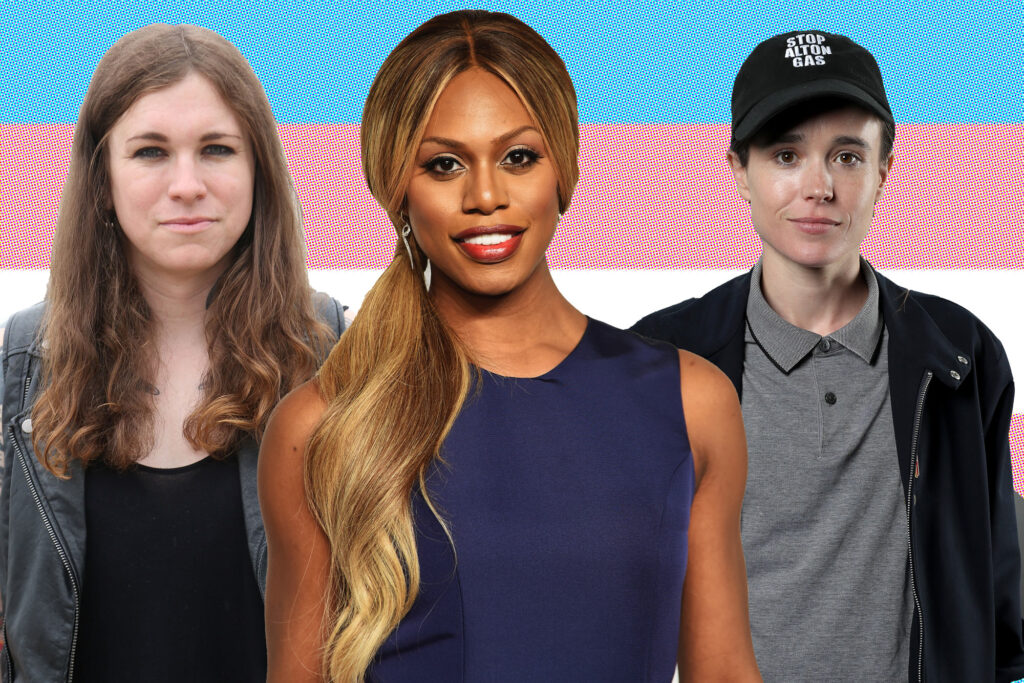
The transgender rights movement, a burgeoning force for social change, is challenging the very foundations of our binary understanding of gender. Transgender and gender-nonconforming individuals are fighting for the right to live authentically, to access healthcare, and to be recognized as full and equal members of society.
But their struggle is met with fierce resistance, fueled by transphobic rhetoric and discriminatory legislation. Across the globe, transgender individuals face harassment, discrimination, and violence, often with little recourse to justice. They are denied access to healthcare, excluded from employment opportunities, and subjected to invasive scrutiny and judgment.
We must stand in solidarity with the transgender community, amplifying their voices and advocating for policies that protect their rights and promote their well-being. This includes challenging the harmful stereotypes and misconceptions that perpetuate transphobia, advocating for inclusive healthcare policies, and supporting the right of transgender individuals to self-determination.
V. The Rise of Digital Feminism: Harnessing Technology for Empowerment and Resistance
The digital realm, a double-edged sword, presents both opportunities and challenges for the feminist movement. On the one hand, it provides a platform for marginalized voices to be heard, for communities to connect and organize, and for information to be disseminated rapidly and widely. On the other hand, it is also a breeding ground for online harassment, misogyny, and disinformation, posing a significant threat to feminist activism and advocacy.
Digital feminism encompasses a range of strategies and tactics, from using social media to raise awareness about feminist issues to developing technology that addresses gender-based violence and promotes gender equality. It also involves challenging the algorithmic biases that perpetuate gender stereotypes and advocating for greater representation of women and marginalized genders in the tech industry.
Consider the concept of “cyberfeminism,” which explores the relationship between technology and feminism. It challenges the dominant narratives of technology as a male-dominated domain and explores the potential of technology to empower women and promote social justice. It also recognizes the importance of addressing the digital divide and ensuring that all individuals have access to the tools and resources they need to participate fully in the digital world.
VI. The Future of Feminism: An Intersectional, Inclusive, and Transformative Vision
The future of feminism hinges on our ability to build a movement that is truly intersectional, inclusive, and transformative. We must move beyond simplistic notions of gender equality and embrace a more nuanced understanding of the complex interplay of power, privilege, and oppression.
This requires actively listening to and amplifying the voices of those who are most marginalized, challenging our own biases and assumptions, and working in solidarity with other social justice movements. It demands a dismantling of the systems of oppression that perpetuate inequality and a creation of a world where all individuals have the opportunity to thrive.
The fight for gender equality is far from over. It is an ongoing struggle that requires unwavering commitment, intellectual rigor, and a willingness to challenge the status quo. Let us embrace the complexities of this struggle, celebrate our victories, confront our setbacks, and continue to push for a more just and equitable world for all. The revolution, after all, will not be televised – it will be meticulously strategized, fiercely debated, and relentlessly pursued.







Leave a Comment