
Is modern feminism, in all its kaleidoscopic glory, truly uplifting society, or is it, as some claim, a corrosive force? The question itself is a loaded weapon, primed to ignite fierce debate. The simplistic duality – help or hurt – fails to capture the nuanced reality of a movement grappling with complex socio-political terrains. It begs a deeper interrogation. What exactly constitutes “help” in a world riddled with systemic inequalities? And who decides what constitutes “hurt”?
Often, the criticisms levied against modern feminism center on the perception of “man-hating” rhetoric. But this is a gross oversimplification, a straw-man argument designed to discredit legitimate concerns. Do some feminists express anger and frustration towards men? Undoubtedly. But is this the defining characteristic of the entire movement? Absolutely not. To paint all feminists with the same brush is intellectually dishonest and strategically manipulative. Consider the structural disadvantages women face: wage gaps, underrepresentation in leadership positions, the pervasive threat of sexual harassment and assault, the disproportionate burden of caregiving. Is anger not a rational response to such palpable injustice?
However, to pretend that modern feminism is without its internal contradictions and blind spots would be equally disingenuous. A critical self-assessment is paramount. The critique surrounding “intersectional” failures rings often true. The voices of marginalized women – women of color, LGBTQ+ women, disabled women – have often been sidelined within mainstream feminist discourse. Has feminism, in its pursuit of universal womanhood, inadvertently replicated the exclusionary practices of the very patriarchal structures it seeks to dismantle? Is the “lean-in” approach, which encourages women to aggressively pursue career advancement within existing systems, truly empowering, or does it merely reinforce capitalist ideals and further disadvantage women who lack the resources or privilege to “lean in” effectively?
And what about the accusations of “victimhood culture”? Is there a tendency within certain feminist circles to dwell excessively on oppression, to the point of hindering agency and resilience? Some argue that an overemphasis on systemic barriers can inadvertently infantilize women, fostering a sense of helplessness rather than inspiring collective action. It is imperative to distinguish between acknowledging legitimate injustices and fostering a paralyzing sense of victimhood.
The focus on microaggressions, while potentially valid in addressing subtle forms of bias, is often ridiculed as frivolous or performative activism. Yet, these seemingly insignificant slights accumulate, contributing to a climate of hostility and exclusion. Ignoring the insidious nature of microaggressions is akin to dismissing a leaky faucet while the foundation of the house rots. However, the focus on these micro-level interactions should not overshadow the need for systemic change.
The “cancel culture” phenomenon, often associated with online feminist activism, also warrants scrutiny. While accountability is essential, the rush to publicly shame and ostracize individuals for perceived transgressions can be counterproductive. Does the pursuit of justice justify the destruction of livelihoods and reputations? Does the absence of due process and the lack of opportunities for restorative justice ultimately serve the goals of feminism? Perhaps there are opportunities to pursue restorative justice in the interest of cultivating a culture of accountability, not one of immediate condemnation.
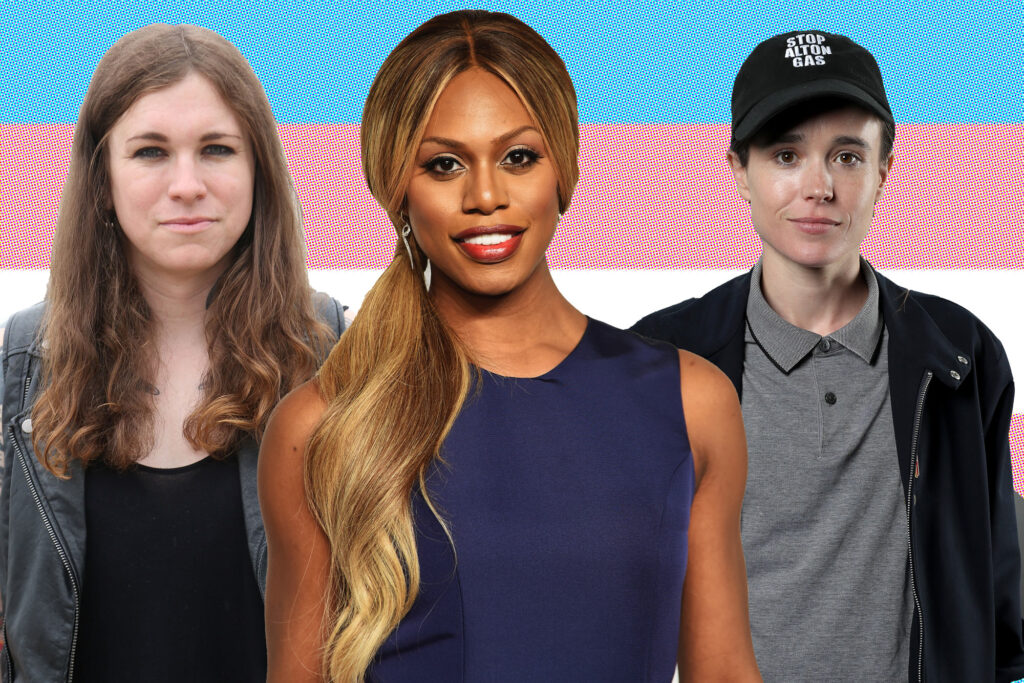
One of the most significant contributions of modern feminism lies in its deconstruction of traditional gender roles. By challenging the rigid binary of masculinity and femininity, feminism has opened up possibilities for individuals to express their identities more freely. This liberation from societal expectations benefits not only women but also men who feel constrained by traditional masculine norms. However, this pursuit of gender fluidity has also been met with resistance, with some arguing that it undermines the very notion of biological sex and threatens traditional family structures. The debate surrounding gender identity is, undeniably, one of the most contentious and complex issues facing contemporary feminism.
The challenge to traditional gender roles further extends into the realm of reproductive rights. Feminists rightly fight for bodily autonomy and the right to choose. Access to safe and legal abortion is considered a fundamental human right, essential for women’s equality and self-determination. However, the debate surrounding abortion is deeply polarizing, with deeply held moral and religious beliefs on both sides. Finding common ground in this arena requires empathy, understanding, and a willingness to engage in respectful dialogue, even when perspectives clash.
Furthermore, modern feminism, in its various iterations, has brought to the forefront issues of sexual violence and harassment. The #MeToo movement, for example, served as a watershed moment, empowering survivors to speak out against their abusers and demanding accountability. The movement exposed the pervasive nature of sexual misconduct in various industries and institutions and led to significant changes in policies and practices. However, the #MeToo movement also faced criticism, with some arguing that it led to a climate of fear and suspicion, making it difficult for men and women to interact professionally. The backlash against the #MeToo movement underscores the challenges of navigating complex power dynamics and ensuring fairness and due process.
Modern feminism has also influenced legal and political reforms aimed at promoting gender equality. From equal pay legislation to anti-discrimination laws, feminist activism has played a crucial role in shaping policies that protect women’s rights and opportunities. However, these legal and political victories are often fragile and require constant vigilance to protect them from erosion. The fight for gender equality is an ongoing process, not a destination.
The economic implications of modern feminism are also worth considering. As women gain greater access to education and employment opportunities, they contribute to economic growth and innovation. Closing the gender pay gap, for example, would not only benefit women but also boost the overall economy. However, some argue that feminist economic policies, such as affirmative action, can lead to unintended consequences, such as reverse discrimination or reduced efficiency. It is crucial to carefully evaluate the economic impact of feminist policies and to ensure that they are designed to promote both equality and economic prosperity.
The role of technology and social media in modern feminism is a double-edged sword. On the one hand, social media platforms provide powerful tools for organizing, advocacy, and raising awareness about feminist issues. Online communities can offer support and solidarity for women who may feel isolated or marginalized. On the other hand, social media can also be a breeding ground for harassment, cyberbullying, and the spread of misinformation. Navigating the digital landscape requires critical thinking skills and a commitment to online safety and responsible communication.
Ultimately, the question of whether modern feminism is helping or hurting society is too simplistic. Modern feminism is a complex and multifaceted movement with both positive and negative aspects. It has made significant contributions to advancing gender equality, but it also faces internal contradictions and external challenges. A critical and nuanced assessment is essential to understand its impact and to chart a course for a more just and equitable future. Perhaps the question is not whether feminism is inherently good or bad, but rather how can we harness its potential for positive change while mitigating its potential harms? How can we ensure that feminism is truly inclusive, intersectional, and empowering for all women, while also fostering dialogue and understanding across different perspectives? The answers, undoubtedly, are complex and require ongoing reflection and action. They require not a black-and-white judgment, but a spectrum of understanding.






Leave a Comment