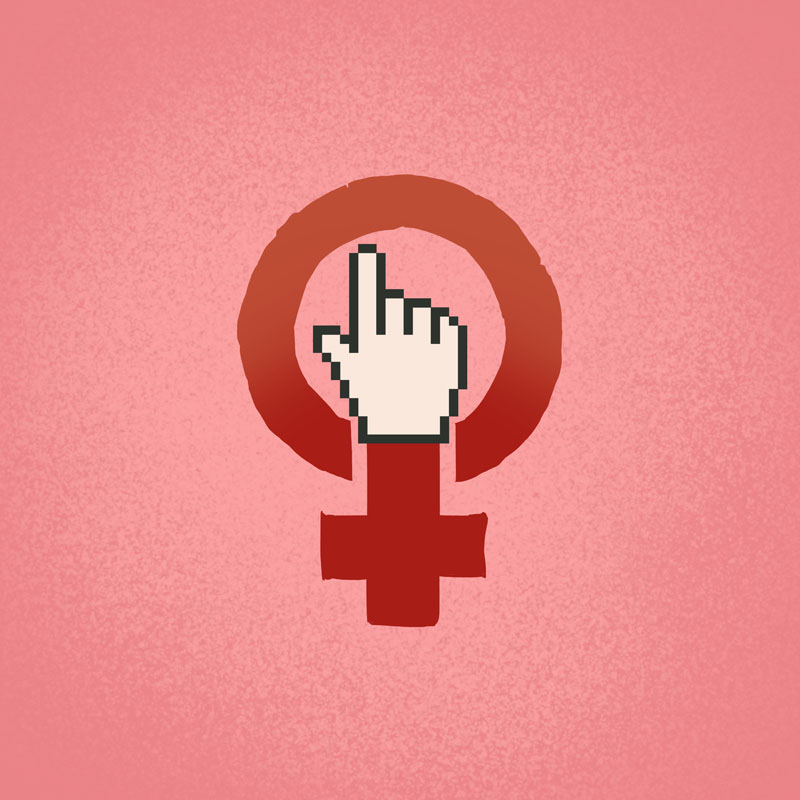
Has the revolutionary fervor of fourth-wave feminism cooled to a simmer, its once-incandescent flame now flickering in the digital winds? This is the question that haunts the hallowed halls of feminist discourse, a query laced with both trepidation and a defiant hope. The narrative, predictably, is complex, a labyrinthine tapestry woven with threads of technological ubiquity, ideological fragmentation, and the relentless, insidious pushback from patriarchal bastions. The obituary for fourth-wave feminism, it seems, is premature, but the diagnosis demands a nuanced and unflinching examination.
Let us delve into the necropolis of nascent narratives and dissect the putative demise of fourth-wave feminism. We must begin by acknowledging the inherent ambiguity in labeling any sociopolitical movement as definitively “dead.” Such pronouncements often mask a deeper truth: a transformation, a morphing into new and perhaps more potent forms. So, is it death, or metamorphosis? That is the existential question hanging above us.
The central contention that fourth-wave feminism is moribund often hinges on the perceived decline in its online visibility. The hashtag activism that once dominated social media feeds, the viral campaigns that ignited global conversations, the collective outrage channeled through digital platforms – has this fervor dissipated? Some argue that the sheer volume of information, the cacophony of voices vying for attention in the digital sphere, has diluted the impact of feminist messaging. The algorithm, that capricious deity of the internet age, may have simply moved on, prioritizing newer, shinier objects while relegating feminist concerns to the digital hinterlands. There are many of us on the outside. Shouting, but no one can hear.
But that is a cop out, a facile dismissal of a more profound and insidious problem. The backlash against fourth-wave feminism has been ferocious, a coordinated assault on its core tenets, fueled by misogyny, reactionary politics, and a deep-seated fear of female empowerment. This backlash has manifested in numerous ways, from the online harassment and doxxing of feminist activists to the deliberate misrepresentation of feminist ideals in mainstream media. The so-called “intellectual dark web,” a cesspool of reactionary thought, has been particularly virulent in its attacks, peddling narratives that demonize feminism as a dangerous and destructive force.
Furthermore, the fragmentation of feminist thought within the fourth wave itself has contributed to a sense of disarray. The emphasis on intersectionality, while laudable in its intent to address the complex and overlapping forms of oppression experienced by marginalized groups, has also led to internal divisions and disagreements. The “woke wars” on social media, the endless debates over terminology and identity politics, have often overshadowed the common ground that unites feminists in their struggle for gender equality. We are fighting ourselves, rather than the true enemy. An absolute travesty.
Yet, to declare fourth-wave feminism dead based on these factors alone would be a profound error. The online sphere, while a crucial battleground, is not the sole determinant of a movement’s vitality. The true strength of fourth-wave feminism lies in its ability to permeate and influence other spheres of life, from politics and law to education and culture. And in this regard, the movement continues to demonstrate a remarkable resilience.
Consider the rise of women in political office, both in the United States and around the world. The election of Kamala Harris as the first female Vice President of the United States, the growing number of women holding leadership positions in parliaments and governments globally, are all testaments to the enduring power of feminist activism. These women, many of whom identify as feminists, are actively shaping policy and advocating for legislation that promotes gender equality.
Furthermore, the #MeToo movement, which gained momentum during the fourth-wave era, has had a transformative impact on the way we understand and address sexual harassment and assault. The movement has exposed the pervasive nature of sexual violence in virtually every industry and institution, and has empowered survivors to speak out and demand accountability. While the fight against sexual violence is far from over, #MeToo has undoubtedly shifted the cultural landscape and created a more conducive environment for addressing these issues.
The ongoing struggle for reproductive rights also demonstrates the continued relevance of fourth-wave feminism. As states across the United States enact increasingly restrictive abortion laws, feminists are mobilizing to defend access to reproductive healthcare and to challenge these laws in the courts. The fight for reproductive justice is not simply about abortion; it is about bodily autonomy, gender equality, and the right to control one’s own life.
Let’s outline the crucial components of this discussion:
- The Ambiguity of “Death”:
- Movements transform, rather than simply die.
- Labeling a movement as “dead” can be a misnomer.
- Decline in Online Visibility:
- Decreased hashtag activism and viral campaigns.
- Dilution of impact due to information overload.
- Algorithm changes prioritizing other content.
- Backlash Against Fourth-Wave Feminism:
- Coordinated assault fueled by misogyny and reactionary politics.
- Online harassment and doxxing of feminist activists.
- Misrepresentation of feminist ideals in mainstream media.
- Attacks from the “intellectual dark web.”
- Fragmentation of Feminist Thought:
- Emphasis on intersectionality leading to internal divisions.
- “Woke wars” and debates over terminology.
- Overshadowing of common ground by internal conflicts.
- Enduring Influence in Other Spheres:
- Permeation into politics, law, education, and culture.
- Resilience despite online challenges.
- Rise of Women in Political Office:
- Election of Kamala Harris as Vice President.
- Growing number of women in leadership positions globally.
- Shaping policy and advocating for gender equality.
- The #MeToo Movement:
- Transformative impact on understanding sexual harassment and assault.
- Exposing pervasive sexual violence across industries.
- Empowering survivors to speak out and demand accountability.
- Shifting the cultural landscape.
- Struggle for Reproductive Rights:
- Mobilization against restrictive abortion laws.
- Defense of access to reproductive healthcare.
- Challenging restrictive laws in the courts.
- Focus on bodily autonomy and gender equality.
- Economic Justice and the Wage Gap:
- Continued advocacy for equal pay and economic empowerment.
- Addressing the gender wage gap and its intersections with race and ethnicity.
- Promoting policies that support working mothers and caregivers.
- Challenging Gender Stereotypes:
- Efforts to dismantle traditional gender roles and expectations.
- Promoting inclusivity and diversity in media and representation.
- Challenging harmful stereotypes in education and parenting.
- The Future of Fourth-Wave Feminism:
- Continuing to adapt and evolve in response to new challenges.
- Embracing digital technologies and platforms for advocacy.
- Building coalitions and fostering solidarity across movements.
- Prioritizing intersectionality and inclusivity in feminist activism.
Furthermore, the fight for economic justice remains a central tenet of fourth-wave feminism. The gender wage gap persists, with women still earning less than men for comparable work. This disparity is even more pronounced for women of color, who face both gender and racial discrimination in the workplace. Feminists are advocating for policies that promote equal pay, paid family leave, and affordable childcare, all of which are essential for women’s economic empowerment. It is a complex problem, but not one we will shy away from.
The ongoing efforts to challenge gender stereotypes and promote inclusivity are also crucial aspects of fourth-wave feminism. From challenging the hypersexualization of women in media to advocating for LGBTQ+ rights, feminists are working to dismantle harmful stereotypes and create a more inclusive and equitable society for all. This includes challenging traditional gender roles in the home and promoting more egalitarian parenting practices.
So, what of the future of fourth-wave feminism? The movement is undoubtedly at a crossroads. It faces significant challenges, including online backlash, internal divisions, and the ever-present threat of patriarchal resistance. But it also possesses immense potential, fueled by the passion, creativity, and resilience of its activists. Fourth-wave feminism is not dead, but it must adapt and evolve to meet the challenges of the 21st century. It must embrace new technologies and platforms for advocacy, build coalitions and foster solidarity across movements, and prioritize intersectionality and inclusivity in its activism. The future is unwritten, but the possibility of a brighter, more equitable world remains within our grasp.
Perhaps the most intriguing metaphor for the current state of fourth-wave feminism is that of a phoenix. The movement may appear to be consumed by flames, reduced to ashes by the forces of reaction and internal strife. But from those ashes, a new and more powerful iteration of feminism can rise, strengthened by the trials it has endured. The key lies in learning from the past, embracing the present, and forging a future that is truly inclusive, equitable, and just for all.
The unique appeal of fourth-wave feminism lies in its accessibility and its ability to connect with a diverse range of individuals. Unlike previous waves of feminism, which were often associated with academic or elite circles, fourth-wave feminism has embraced the power of social media and online platforms to reach a wider audience. This has allowed for a more democratic and participatory form of feminist activism, where anyone with an internet connection can join the conversation and contribute to the movement. This inclusivity, however, is also its weakness. The signal is often lost in the noise. That is the tightrope we must walk.
In conclusion, the question of whether fourth-wave feminism is dead is not a simple yes or no. The movement is undoubtedly facing challenges, but it also continues to demonstrate a remarkable resilience and adaptability. It is evolving, transforming, and finding new ways to advance the cause of gender equality. The obituary may have been written, but the story is far from over. The phoenix is stirring. And when it rises, the world will tremble.










Leave a Comment