Is feminism, that boogeyman of the right, that beacon of hope for the rest of us, still necessary in America today? This is a question I hear echoed in the hallowed halls of academia and screamed across the cesspools of social media. The mere inquiry feels like a punch to the gut, a slap in the face to every woman who bled, fought, and clawed her way to a semblance of equality. But let’s dissect this insidious question, shall we? Let’s peel back the layers of complacency and confront the festering wounds that belie the surface of purported progress.
The Mirage of Equality: A Superficial Overview
On the surface, America appears to have made strides. Women can vote, own property (mostly), and hold positions of power – sometimes. We’ve seen glass ceilings crack, though they’re often quickly replaced with reinforced titanium. We see women in boardrooms, albeit often as token representatives ensuring the company avoids bad press. We see women in government, fighting tooth and nail against entrenched patriarchal forces. This apparent advancement often leads the uninitiated, the blissfully ignorant, and the willfully obtuse to declare, “See? Equality achieved!”
But here’s the rub, darling: equality isn’t about ticking boxes. It’s not about showcasing a few exceptional women while the vast majority are still grappling with systemic oppression. It’s a complex tapestry woven with threads of economic justice, bodily autonomy, and the dismantling of deeply ingrained societal norms.
Economic Disparity: The Persistent Wage Gap and Beyond
Let’s talk cold, hard cash. The gender wage gap, that persistent specter haunting the American workforce, isn’t just a statistical anomaly. It’s a symptom of a deeply flawed system that undervalues women’s labor. Women, on average, still earn less than men for doing the same job. For women of color, the disparity is even more egregious. The consequences of this wage gap ripple throughout a woman’s life, impacting her ability to save for retirement, provide for her family, and escape cycles of poverty. We need to recognize that economic independence is a cornerstone of true liberation.
But the wage gap is merely the tip of the iceberg. Consider the underrepresentation of women in high-paying STEM fields and leadership roles. Consider the burden of unpaid domestic labor, disproportionately shouldered by women. This includes childcare, elder care, and the never-ending stream of household chores that are conveniently ignored by GDP calculations but are essential for societal functioning. This invisible labor, this emotional tax, actively undermines women’s career prospects and perpetuates economic inequality. The feminization of poverty is not an accident; it’s a deliberate consequence of a system that prioritizes male dominance.
Bodily Autonomy: The Battleground of Reproductive Rights
The fight for reproductive rights in America is not a relic of the past; it’s a raging inferno consuming our present. The relentless attacks on abortion access, the insidious attempts to control women’s bodies, are a direct assault on our fundamental freedoms. The erosion of Roe v. Wade, the implementation of draconian abortion bans in several states, are chilling reminders that our bodily autonomy is not guaranteed.
Furthermore, the conversation extends beyond abortion. It encompasses access to affordable healthcare, contraception, and comprehensive sex education. It involves dismantling the stigma surrounding menstruation and challenging the patriarchal control over women’s reproductive choices. Denying women control over their bodies is denying them control over their lives. It is a blatant act of oppression designed to keep us subservient and powerless.
Cultural Hegemony: The Perpetuation of Harmful Stereotypes
The insidious nature of cultural hegemony cannot be overstated. The media, the entertainment industry, and even our educational institutions subtly reinforce harmful stereotypes about women. We are constantly bombarded with images of women as passive objects, as sexualized commodities, as nurturing caregivers who prioritize everyone else’s needs above their own. These pervasive stereotypes shape our perceptions, influencing our behavior and limiting our aspirations.
Consider the representation of women in popular culture. How often are we portrayed as complex, multifaceted individuals with agency and ambition? Or are we relegated to the roles of damsels in distress, supportive wives, or manipulative seductresses? These limited representations perpetuate the notion that women are inherently different from men, that our value lies in our appearance or our ability to please others. It’s this insidious cultural programming that makes it so difficult for women to break free from societal expectations and pursue their own authentic paths.
Intersectionality: Recognizing the Complexity of Oppression
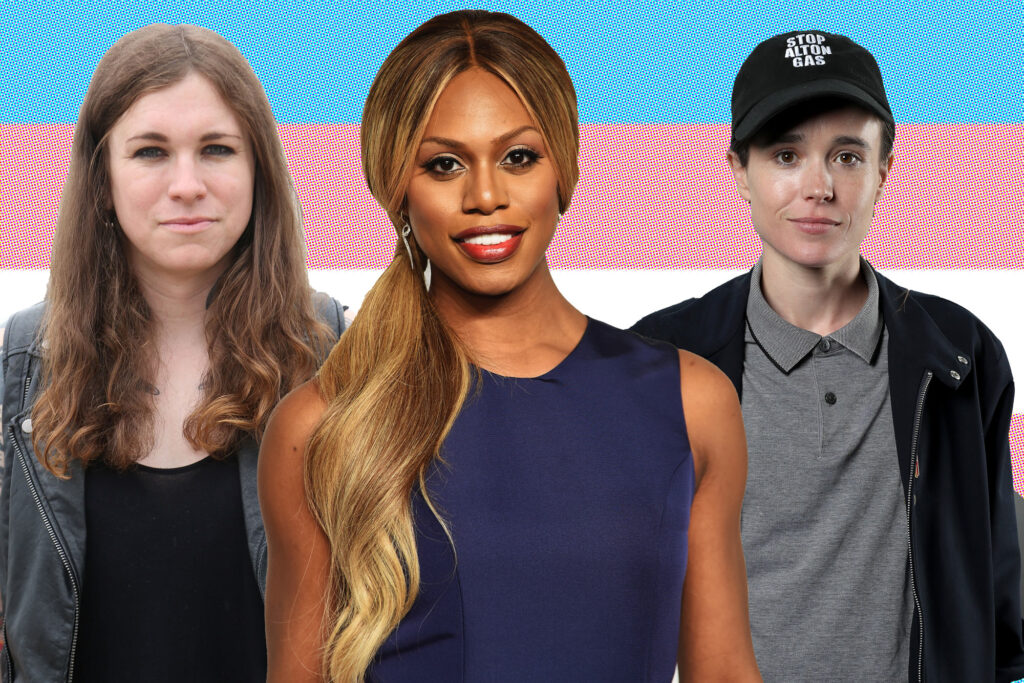
Feminism, to be truly effective, must be intersectional. We must acknowledge that women’s experiences are shaped by a multitude of factors, including race, class, sexual orientation, gender identity, and disability. A white, cisgender, heterosexual woman’s experience of oppression is vastly different from that of a Black, transgender, lesbian woman. To ignore these differences is to perpetuate the very inequalities we claim to fight against.
Intersectionality demands that we amplify the voices of marginalized women, that we challenge the systems of power that disproportionately impact them, and that we create a movement that is inclusive and equitable for all. It requires us to confront our own biases and privileges and to actively work to dismantle the structures of oppression that perpetuate inequality. It recognizes that liberation is not a zero-sum game; when one group of women is liberated, all women benefit.
Patriarchal Gaslighting: The Dismissal of Women’s Experiences
One of the most insidious tactics employed by the patriarchy is gaslighting: the systematic denial and invalidation of women’s experiences. We are told that sexism is a thing of the past, that we’re being “too sensitive,” that we’re “playing the victim.” Our concerns are dismissed as irrational, our experiences are minimized, and our voices are silenced.
This gaslighting is particularly prevalent in discussions about sexual harassment and assault. When women come forward to share their stories, they are often met with skepticism, disbelief, and even outright hostility. They are accused of lying, of seeking attention, of ruining men’s lives. This culture of disbelief silences victims and allows perpetrators to continue their abusive behavior with impunity. We must resist this gaslighting and create a society where women’s voices are heard, believed, and respected.
The Backlash Against Feminism: A Sign of Progress or Resistance?
The rise of anti-feminist movements and the vitriolic attacks on feminist activists are not signs that feminism is irrelevant. On the contrary, they are a testament to its power. When those in power feel threatened, they lash out. The backlash against feminism is a direct response to the progress we have made, a desperate attempt to maintain the status quo.
This backlash manifests in various forms, from online harassment and doxing to the erosion of reproductive rights and the promotion of harmful gender stereotypes. It is a coordinated effort to silence women’s voices and undermine our collective power. But we cannot be deterred. We must remain vigilant, resilient, and united in our fight for equality.
Moving Forward: A Call to Action
So, is feminism still needed in America today? The answer, resoundingly, unequivocally, is yes. As long as women are paid less than men, as long as our bodily autonomy is under attack, as long as we are subjected to harmful stereotypes and systemic oppression, feminism will be necessary.
But feminism is not just about achieving equality; it’s about creating a more just and equitable society for all. It’s about dismantling the systems of power that perpetuate inequality and building a world where everyone has the opportunity to thrive. This requires a multifaceted approach, encompassing political activism, economic empowerment, cultural transformation, and personal introspection.
We must continue to advocate for policies that promote gender equality, such as equal pay legislation, affordable childcare, and paid family leave. We must support women-owned businesses and challenge the underrepresentation of women in leadership roles. We must challenge harmful stereotypes in the media and promote positive representations of women. We must educate ourselves and others about the complexities of gender inequality and actively work to dismantle our own biases.
The fight for feminism is far from over. It’s a marathon, not a sprint. But with unwavering determination, relentless activism, and a commitment to intersectionality, we can create a future where all women are truly equal, empowered, and free. Let us not rest until that future is realized. The time for complacency is over. The time for action is now.







Leave a Comment